AI Appraisal Estimate

AI-generated estimates · not official valuations

From the user

What was submitted

Photo and notes provided by the user — not generated by AI

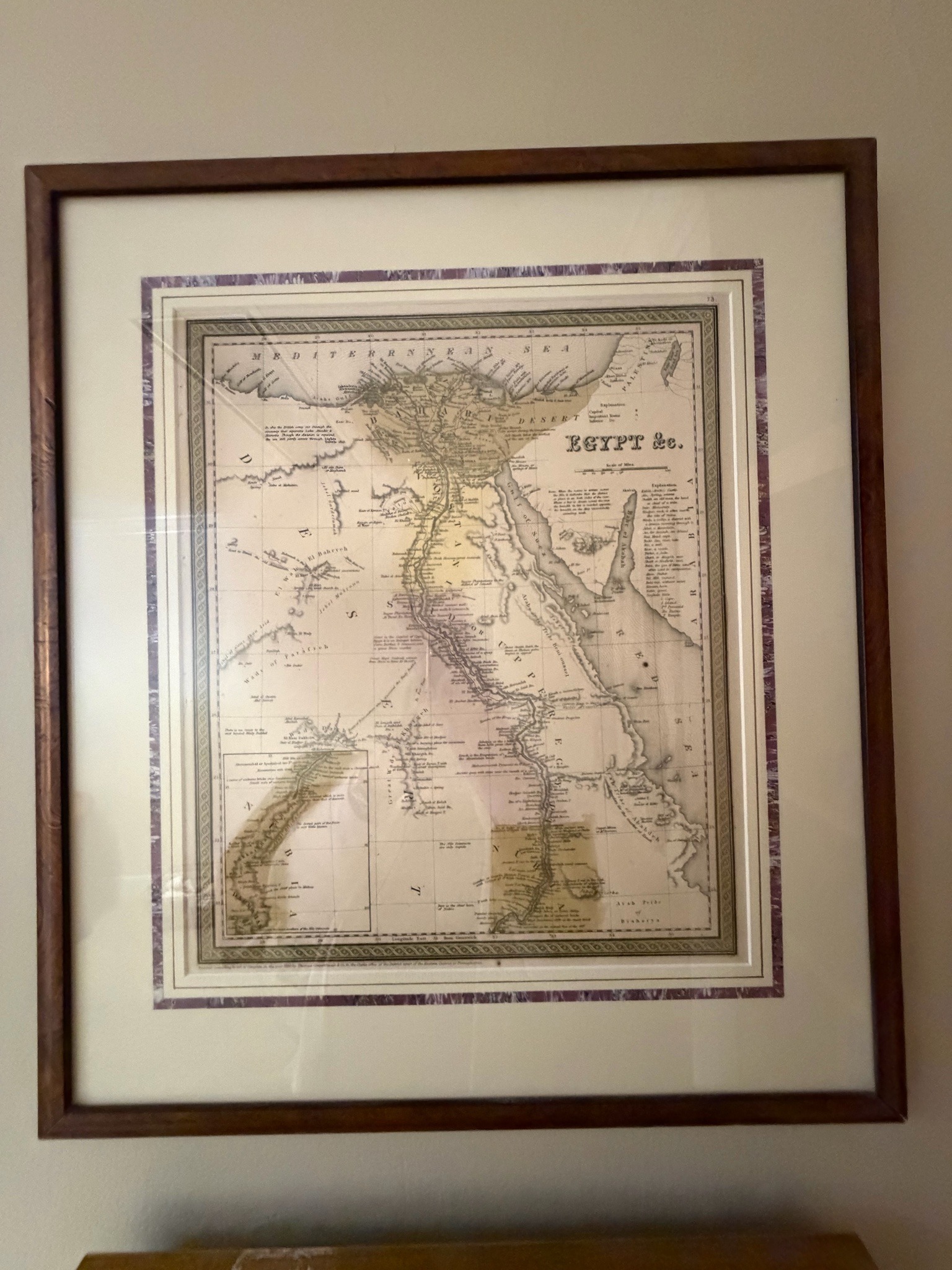
Submitted item photo
Submitted photo · June 23, 2026

User's notes

No additional notes provided.

AI analysis below

AI appraisal

AI analysis & estimate

AI-Generated · Verify before acting

Everything below is generated by AI for informational purposes only. AI can make mistakes — the AI may misidentify items or misattribute them (artist, maker, brand, designer, origin, era). This is not an official valuation and should not be used for insurance, sale, tax, estate, legal, or lending purposes — or any decision requiring a certified appraisal. It is not an authoritative claim about any person, brand, or rights holder — do not share or rely on it as a factual statement about a third party. Always consult qualified professionals before making financial decisions.

Read the full disclaimer

AI Identification

·Not independently authenticated·Verify before acting

Samuel Augustus Mitchell Antique Framed Map of Egypt

Cartography & Antiquarian Maps

AI Estimated Value

·Not an official valuation·Verify before acting

$150-$250

As of June 23, 2026

AI Item Analysis

·AI can make mistakes·Verify before acting
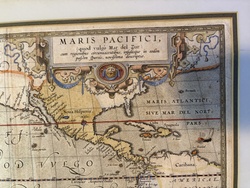
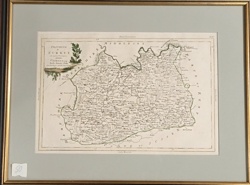
This is a 19th-century hand-colored engraved map showing Egypt and parts of the surrounding region, commonly identified as a Samuel Augustus Mitchell production such as 'Egypt &c.' from Mitchell's New General Atlas. The map is housed in a contemporary wooden frame with a double mat, featuring a decorative purple patterned inner border. The map itself is printed on paper and utilizes fine line engraving to depict the Nile River, Red Sea, and topography. It features classic Victorian-era cartographic elements, including a scale of miles, detailed explanatory text in the margins regarding geographical terms, and a characteristic decorative grape-vine or floral steel-engraved border. The colors consist of faded yellow pigments highlighting political or natural boundaries. Notable condition issues include visible creasing and undulation in the paper, particularly a large horizontal fold across the top and vertical buckling, along with significant foxing and uneven browning (toning) near the bottom right and center. These signs of aging suggest the paper has been acidic over time or exposed to humidity. The craftsmanship is indicative of mid-to-late 19th-century American commercial cartography, specifically the Philadelphia style popularized by the Mitchell firm during the 1860s-1880s.
AI Appraisal Report

·AI can make mistakes·Verify before acting
I have conducted a visual examination of this framed map of Egypt, attributed to Samuel Augustus Mitchell’s New General Atlas, likely published in Philadelphia circa 1860-1880. Stylistically, the map is authentic to the period, featuring the signature floral vine border and hand-coloring characteristic of the Mitchell firm. Authenticity appears consistent with late-19th-century commercial lithography, though final confirmation requires verifying paper texture and the presence of a central fold. The condition is the primary factor impacting value. I observe significant undulation and buckling, indicating historical exposure to humidity or improper mounting. Pronounced foxing and acid-toning are visible in the lower sectors, which detracts from the aesthetic and long-term stability of the paper. While the decorative framing and double matting enhance its retail appeal for home decor, the market for Mitchell maps is highly saturated. These were printed in large quantities, and collectors typically seek copies in near-mint condition. Similar examples in professional archival condition generally reach $300-$450, but the visible damage here necessitates a lower valuation. This appraisal is based on image analysis; a physical inspection is required to determine if the map is glued to a backing board, which would further decrease value. I have not examined the map out of the frame, nor have I performed fibers analysis or acidity testing. To fully authenticate and refine this valuation, provenance documentation and an inspection of the verso (back) for watermarks or publication dates would be necessary.

Get your items appraised

Instant estimates of your treasures with AI-powered appraisals

Browse More Appraisals