AI identification & appraisal estimate

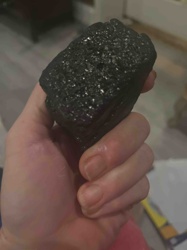
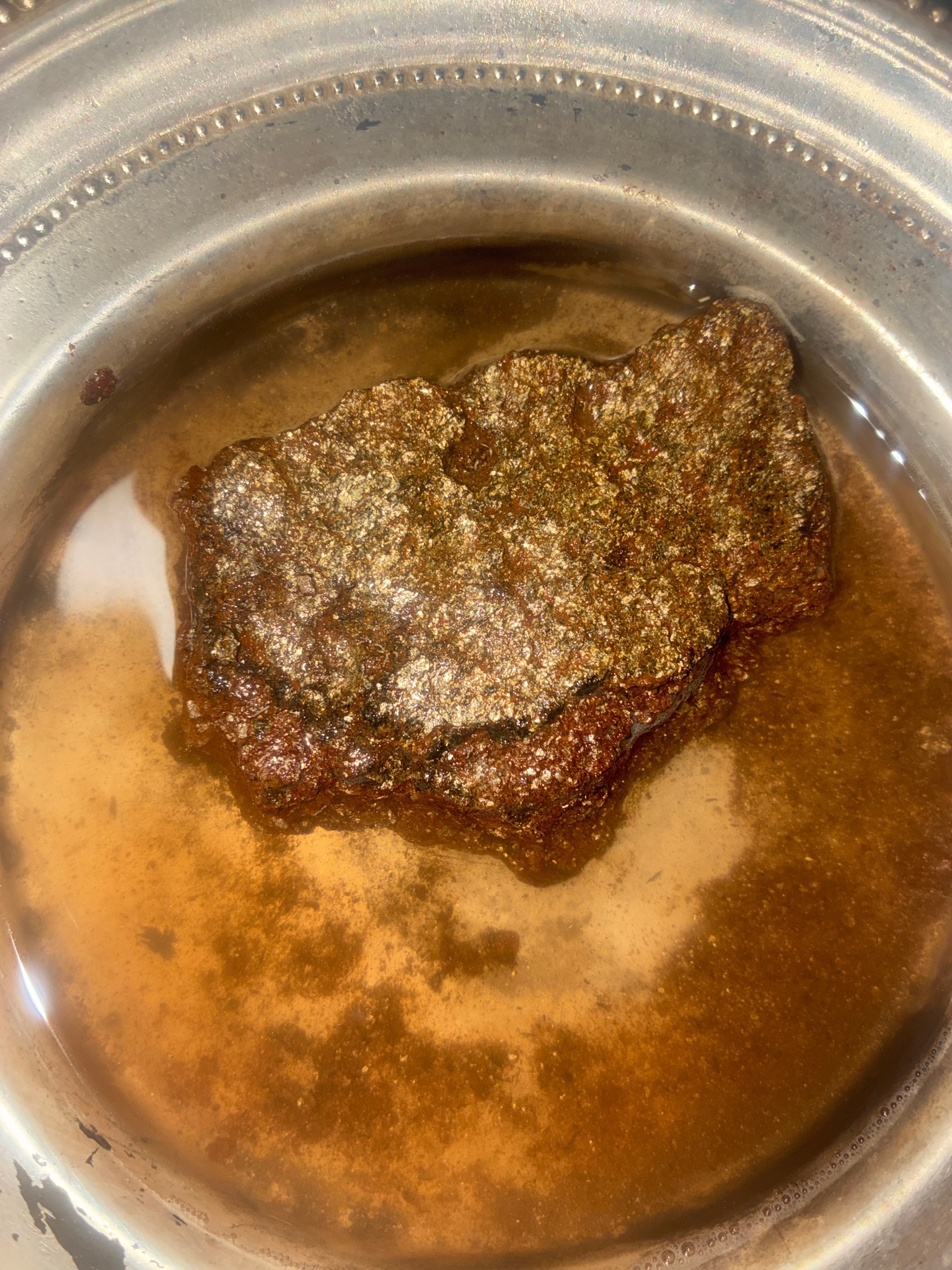
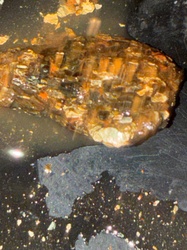
Gold Ore Specimen in Solution

This name is the AI's identification of the item — it may be incorrect.

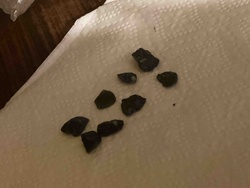
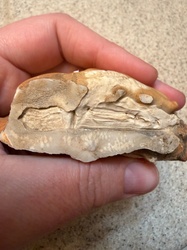
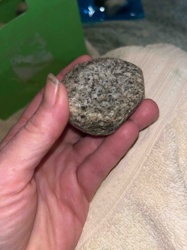
Submitted photo of Gold Ore Specimen in Solution
Photo submitted by the user — not generated by AI

AI Estimated Value

Not an official valuation

$1,800-$2,500

AI estimate as of April 28, 2026 · verify with a professional before acting

AI-Generated · Verify before acting

Everything on this page is generated by AI for informational purposes only. AI can make mistakes — the AI may misidentify items or misattribute them (artist, maker, brand, designer, origin, era). This is not an official valuation and should not be used for insurance, sale, tax, estate, legal, or lending purposes — or any decision requiring a certified appraisal. It is not an authoritative claim about any person, brand, or rights holder — do not share or rely on it as a factual statement about a third party. Always consult qualified professionals before making financial decisions.

Read the full disclaimer

AI Item Analysis

This item is an irregular, large mineral specimen exhibiting significant metallic flecking and a coarse, granular surface texture characteristic of gold-bearing ore. The piece appears to be a rock matrix heavily impregnated with metallic inclusions that range from bright yellow-gold to a darker, bronzed patina. It is currently submerged in a shallow, amber-colored liquid located within a polished metal basin or silver-plated bowl featuring a 'beaded' or 'pearl' rim design typical of mid-20th-century decorative metalwork. The specimen itself shows a multi-layered structure with dark, reddish-brown iron-rich oxidation (limonite) underneath the surface glint, suggesting it is a raw specimen rather than a refined ingot. The surrounding liquid contains fine particulate matter or sediment, which may be residue from the cleaning or leaching process. The metal container shows signs of age, including minor surface scratches and localized tarnishing. The overall presentation suggests a geological sample undergoing a hydration or acid-testing process to verify mineral content and purity.
AI Appraisal Report

Based on my visual analysis, this specimen appears to be a high-grade gold-in-quartz matrix ore. The visible metallic flecking and heavy mineral impregnation against the dark oxide crust are characteristic of raw ore extracted from a hydrothermal vein. The specimen exhibits a desirable balance of limonite staining and bright metallic luster, suggesting a high density of native gold. The accompanying mid-century silver-plated vessel adds aesthetic value but serves primarily as a display element for the preservation liquid, which appears to be mineral oil or a stabilizing solution used to prevent oxidation of the base minerals. The market for geological 'character pieces' remains strong, with collectors favoring specimens that show natural crystalline structures over refined materials. Comparables for high-grade specimens of this size and visible gold content typically fall within the $1,500 to $3,000 range. However, a significant limitation of this photographic assessment is the inability to perform a specific gravity test or use X-ray fluorescence (XRF) to determine the exact gold-to-silver ratio or distinguish between native gold and high-grade chalcopyrite or 'fool's gold.' While the color and grain morphology strongly suggest authentic gold, definitive valuation is contingent upon verifying the specimen's weight and volume displaced in the liquid. For full authentication, I would require a physical inspection to test for hardness and chemical reactivity, as well as provenance documentation verifying the mine of origin, which significantly impacts collectible value.

Keep exploring

More geological specimens / minerals appraisals

Get your items appraised

Instant AI-powered appraisal estimates from a photo

Browse More Appraisals