Anthracite Coal Specimen
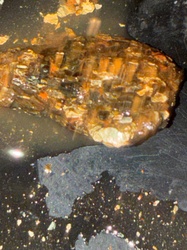
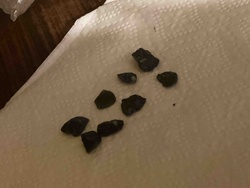
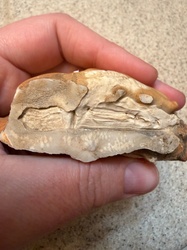
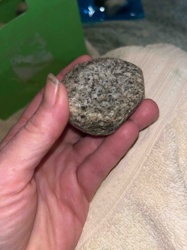
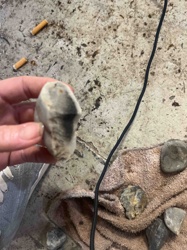
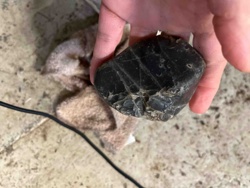
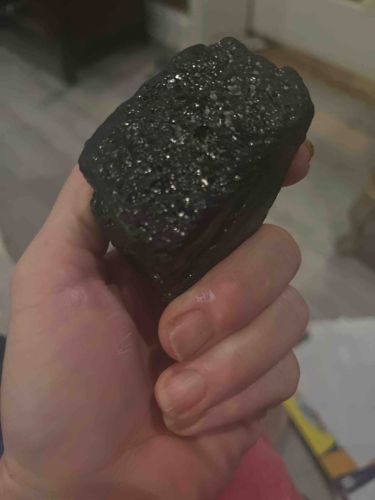
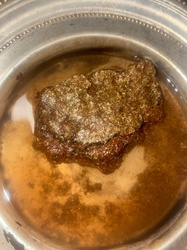
This specimen is a roughly rectangular fragment of anthracite coal, often referred to as hard coal. It exhibits the characteristic deep black, sub-metallic to vitreous luster associated with high-rank coal. The surface is complex, displaying a conchoidal fracture pattern that results in sharp, glass-like edges and a series of stepped, jagged planes. When light strikes the surface, it reveals a distinct 'sparkle' or brilliant sheen caused by the high carbon content and dense molecular structure. The physical dimensions appear to be approximately 3 to 4 inches in length, fitting comfortably within a human hand. Its texture is notably dense and non-porous compared to lower-grade bituminous coal. There are visible striations and layering along the sides, indicating the sedimentary origins of the organic material. In terms of condition, the piece shows natural splintering and minor edge crumbling (friability) common for this geological material. No man-made markings or signatures are present, as this is a natural mineral product. High-quality anthracite of this nature is typically sourced from the Carboniferous period, making it roughly 300 to 360 million years old. Its clean-burning properties and high energy density historically made it a premium fuel source for industrial and domestic heating.
AI-Generated Appraisal Disclaimer
Estimated Value
$5 - $15
Basic Information
Category
Geological Specimens / Minerals
Appraised On
March 4, 2026
Estimated Value
$5 - $15
Item Description
This specimen is a roughly rectangular fragment of anthracite coal, often referred to as hard coal. It exhibits the characteristic deep black, sub-metallic to vitreous luster associated with high-rank coal. The surface is complex, displaying a conchoidal fracture pattern that results in sharp, glass-like edges and a series of stepped, jagged planes. When light strikes the surface, it reveals a distinct 'sparkle' or brilliant sheen caused by the high carbon content and dense molecular structure. The physical dimensions appear to be approximately 3 to 4 inches in length, fitting comfortably within a human hand. Its texture is notably dense and non-porous compared to lower-grade bituminous coal. There are visible striations and layering along the sides, indicating the sedimentary origins of the organic material. In terms of condition, the piece shows natural splintering and minor edge crumbling (friability) common for this geological material. No man-made markings or signatures are present, as this is a natural mineral product. High-quality anthracite of this nature is typically sourced from the Carboniferous period, making it roughly 300 to 360 million years old. Its clean-burning properties and high energy density historically made it a premium fuel source for industrial and domestic heating.
Related Tags
Get Your Items Appraised
Instant estimates of your treasures with AI-powered instant appraisals