AI Appraisal Estimate

AI-generated estimates · not official valuations

From the user

What was submitted

Photo and notes provided by the user — not generated by AI

Submitted item photo
Submitted photo · June 13, 2026

User's notes

No additional notes provided.

AI analysis below

AI appraisal

AI analysis & estimate

AI-Generated · Verify before acting

Everything below is generated by AI for informational purposes only. AI can make mistakes — the AI may misidentify items or misattribute them (artist, maker, brand, designer, origin, era). This is not an official valuation and should not be used for insurance, sale, tax, estate, legal, or lending purposes — or any decision requiring a certified appraisal. It is not an authoritative claim about any person, brand, or rights holder — do not share or rely on it as a factual statement about a third party. Always consult qualified professionals before making financial decisions.

Read the full disclaimer

AI Identification

·Not independently authenticated·Verify before acting

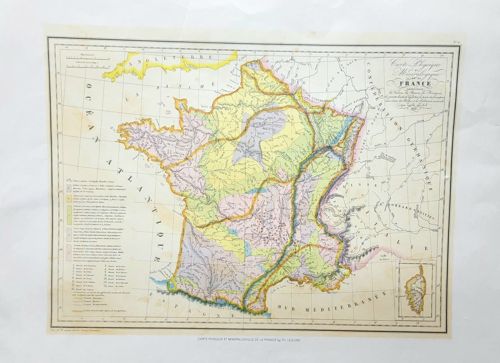
Carte Physique et Minéralogique de la France (1862) by Victor Levasseur

Antique Cartography and Ephemera

AI Estimated Value

·Not an official valuation·Verify before acting

$150 - $250

As of June 13, 2026

AI Item Analysis

·AI can make mistakes·Verify before acting
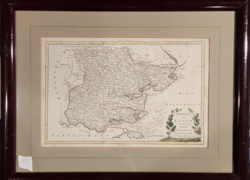
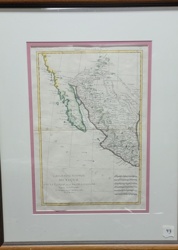
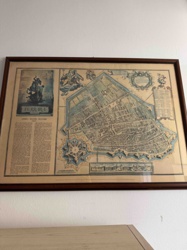
This is an antique steel-engraved map of France titled 'Carte Physique et Minéralogique de la France.' It was originally published in 1862 as part of the 'Atlas National Illustré' by the renowned cartographer Victor Levasseur. The map is printed on medium-weight paper with hand-colored detailing. It features a pastel color palette using shades of yellow, green, pink, and blue to differentiate various geological and mineralogical regions of the country. The central map is surrounded by a detailed legend on the lower-left corner explaining the color-coding for mineral deposits (such as coal, iron, and salt) and mountain ranges. The top right features a decorative cartouche with elegant script lettering. The piece measures approximately 30 x 44 cm within its double-line border. Notable features include topographical details of rivers, coastlines, and relief shading for mountains. Regarding condition, there is visible light foxing and overall yellowing typical of its age, particularly notable at the margins. Slight creasing can be seen on the paper, likely from previous rolls or storage. The edges show minor wear and small handling marks, but the main image remains crisp and clear. This map represents the mid-19th-century French style of scientific and aesthetic cartography, emphasizing both geography and the distribution of natural resources, reflecting the industrial interests of the era. The engraving is sharp, demonstrating high Victorian-era craftsmanship in printing.

AI Appraisal Report

·AI can make mistakes·Verify before acting
I have carefully examined the 1862 'Carte Physique et Minéralogique de la France' by Victor Levasseur via digital reproduction. This map is characteristic of Levasseur’s 'Atlas National Illustré' style, blending scientific data with decorative elegance. The steel engraving displays the sharp, clean lines expected of mid-19th-century French printing, and the hand-coloring appears consistent with the period’s aesthetic of pale washes. Regarding condition, it shows age-appropriate foxing and oxidation (yellowing) primarily at the margins. While some light creasing is visible, the integrity of the plate remains strong. This map is popular with collectors for its ornate borders and industrial-era focus on mineral resources. Market demand for Levasseur maps remains steady, though they were produced in significant quantities, which mitigates rarity. Current market trends favor maps with high-quality hand-coloring and historical significance to geological studies. Compared to more common departmental maps from the same atlas, this national mineralogical overview carries a slight premium due to its comprehensive and scientific nature. Factors limiting value include the visible foxing and margin wear, which may necessitate professional cleaning or careful framing. Limitations of this digital appraisal: Without a physical inspection, I cannot verify the specific weight or watermark of the paper to confirm it is not a later reproduction or offset lithograph. A full authentication would require an in-person assessment of the ink's 'bite' into the paper (indicative of the intaglio process) and a blacklight test to ensure no modern bleaching agents or repairs have been applied. Provenance detailing its chain of custody from a specific 19th-century library or collection would further solidify its market position.

Get your items appraised

Instant estimates of your treasures with AI-powered appraisals

Browse More Appraisals