AI Appraisal Estimate

AI-generated estimates · not official valuations

From the user

What was submitted

Photo and notes provided by the user — not generated by AI

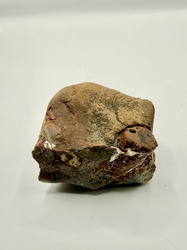
Submitted item photo
Submitted photo · June 23, 2026

User's notes

No additional notes provided.

AI analysis below

AI appraisal

AI analysis & estimate

AI-Generated · Verify before acting

Everything below is generated by AI for informational purposes only. AI can make mistakes — the AI may misidentify items or misattribute them (artist, maker, brand, designer, origin, era). This is not an official valuation and should not be used for insurance, sale, tax, estate, legal, or lending purposes — or any decision requiring a certified appraisal. It is not an authoritative claim about any person, brand, or rights holder — do not share or rely on it as a factual statement about a third party. Always consult qualified professionals before making financial decisions.

Read the full disclaimer

AI Identification

·Not independently authenticated·Verify before acting

Orthoceras Fossil Multi-Specimen Plate

Paleontology / Fossils

AI Estimated Value

·Not an official valuation·Verify before acting

$450 - $650

As of June 23, 2026

AI Item Analysis

·AI can make mistakes·Verify before acting
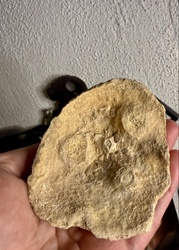
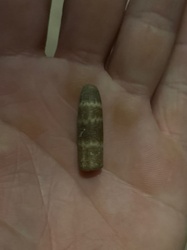
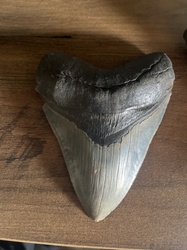
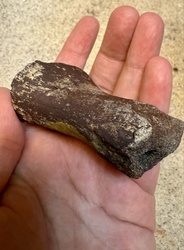
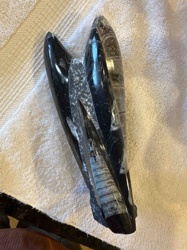
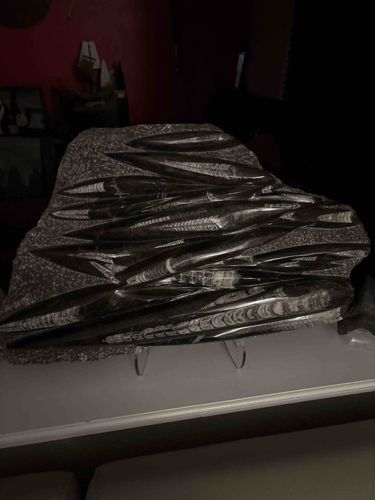
This is a significant multi-specimen fossil plate featuring numerous Orthoceras cephalopods embedded within a dark grey to black limestone matrix. The piece shows exceptional preparation, where the fossils have been meticulously polished to a high-gloss finish, revealing the internal white calcified chambers and siphuncles against the dark, fossilized body. The specimens are arranged in a dynamic, overlapping cluster, displaying varying sizes and orientations that suggest a mass mortality event. The matrix exhibits a matte, natural texture that provides a striking visual contrast to the polished fossils. Physically, the plate is relatively large and heavy, presenting a roughly triangular or trapezoidal shape. The internal anatomy of the nautiloid cephalopods is clearly visible, showing the characteristic straight, conical shells and septal divisions typical of the Devonian period (approximately 360 to 415 million years old). There appear to be no major structural repairs or significant fractures, though minor surface scratches and natural variations in the mineral structure are present. The craftsmanship involved in extracting and polishing these fossils from the Moroccan Atlas Mountains region is evident in the preservation of the delicate interior structures. This item functions as both a paleontological specimen and a decorative natural history art piece.
AI Appraisal Report

·AI can make mistakes·Verify before acting
I have virtually examined this large Moroccan Orthoceras multi-specimen plate. This piece constitutes a classic 'mass mortality' assemblage from the Erfoud region of the Atlas Mountains, dating to the Devonian period. The aesthetic quality is high, with the dark limestone matrix providing a stark chiaroscuro effect against the white calcified chambers of the cephalopods. The polish on the specimens is professional, highlighting the siphuncles and septal walls without over-grinding the natural form. Condition-wise, the plate appears structurally sound with a desirable density of fossils. In the current market, these specimens are common but maintain steady demand as 'crossover' items between paleontology and interior design. The value is driven primarily by the size of the plate, the number of distinct individuals present (at least 15 visible), and the quality of the preparation. Comparable sales for plates of this approximate size and density typically fall within the $400 to $700 range. While the visual characteristics strongly align with genuine Devonian limestone fossils, I must note that high-quality visual examination alone cannot verify the absence of 'enhanced' compositions, where loose fossils are sometimes set into a synthetic or carved matrix to create a more attractive cluster. A physical inspection would be required to verify the continuity of the matrix grain and check for concealed seams or adhesives. To finalize a scientific authentication, I would require provenance documentation or a tactile test of the surface under UV light to ensure no resin fillers were used to bridge gaps between the specimens.

Get your items appraised

Instant estimates of your treasures with AI-powered appraisals

Browse More Appraisals