Fossilized Dinosaur Bone Fragment
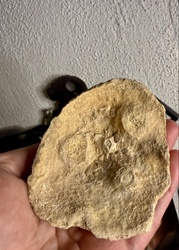
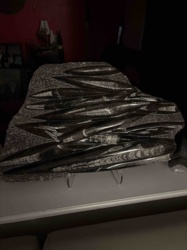
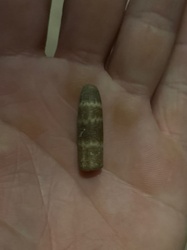
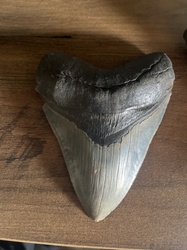
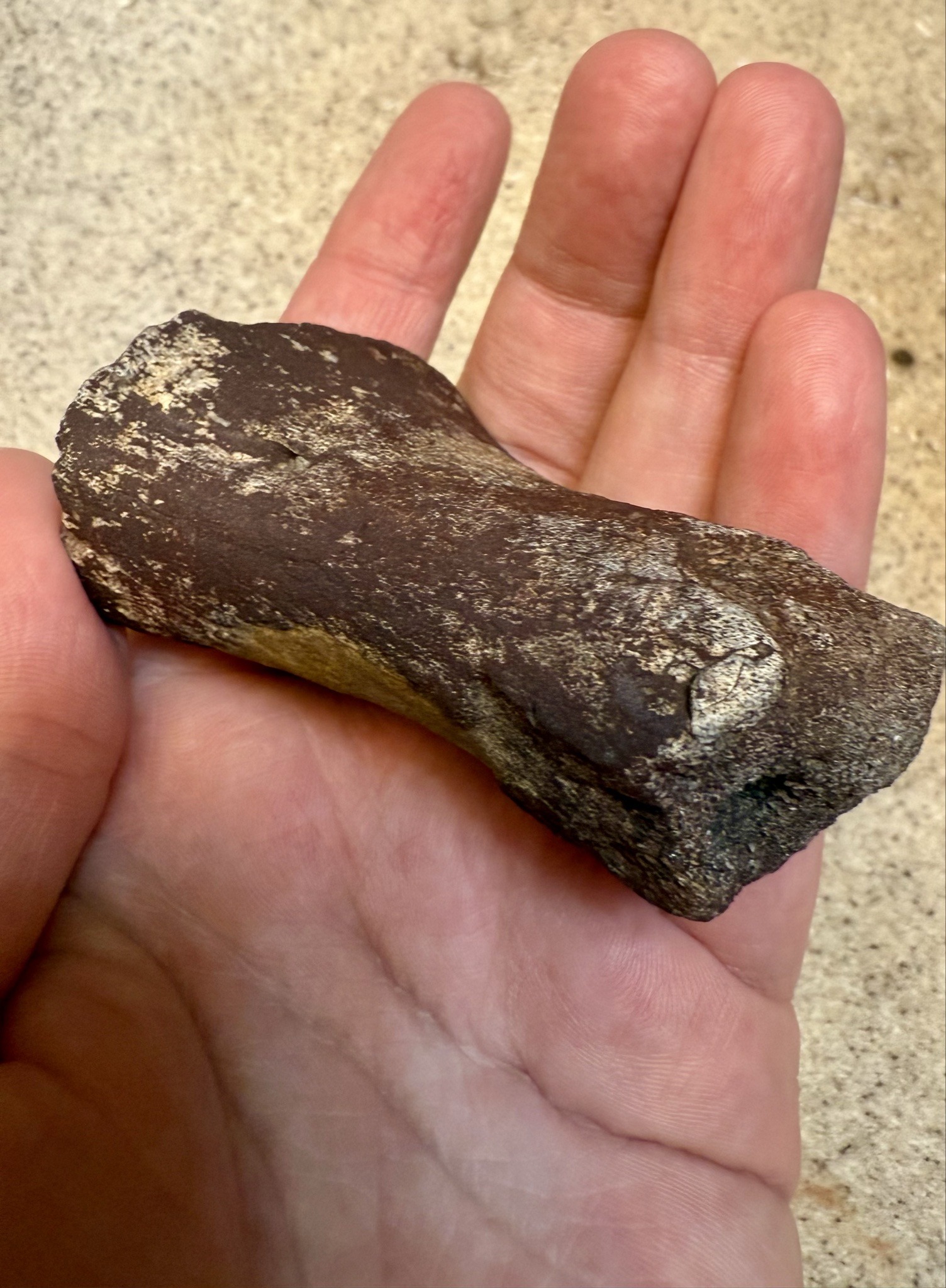
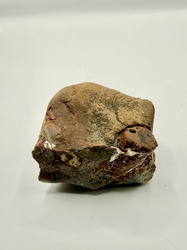
This item is a fossilized limb bone fragment, likely a portion of a rib or a smaller long bone from a dinosaur inhabiting the Morrison Formation during the Late Jurassic period, approximately 150 million years ago. Physically, the specimen measures roughly 3 to 4 inches in length and is comfortably held within a human hand. The material is fully permineralized, exhibiting a dense, stony composition with a characteristic dark chocolate brown to ferruginous reddish-brown exterior. The surface displays a distinct 'honeycomb' or vascular texture indicative of trabecular (spongy) bone structure that has been replaced by minerals. Notable features include a slightly tapered, cylindrical shape with rugged, fractured ends, suggesting it is a section of a larger element rather than a complete anatomical unit. The condition is consistent with field-collected fossils: it shows significant natural weathering, surface abrasions, and some loss of the cortical (outer) bone layer, which reveals the internal cellular matrix. There are no visible maker's marks, as this is a natural specimen, but its dark coloration is typical of iron-rich mineral replacement common in specific localities of the Morrison Formation in the Western United States. The specimen lacks restoration or stabilization resins, presenting in a raw, natural state with a subtle desert patina.
AI-Generated Appraisal Disclaimer
Estimated Value
$45.00 - $75.00
Basic Information
Category
Paleontology / Fossils
Appraised On
May 13, 2026
Estimated Value
$45.00 - $75.00
Additional Details Provided By Owner
User Provided Information
Dinosaur bone from Morrison formation
Item Description
This item is a fossilized limb bone fragment, likely a portion of a rib or a smaller long bone from a dinosaur inhabiting the Morrison Formation during the Late Jurassic period, approximately 150 million years ago. Physically, the specimen measures roughly 3 to 4 inches in length and is comfortably held within a human hand. The material is fully permineralized, exhibiting a dense, stony composition with a characteristic dark chocolate brown to ferruginous reddish-brown exterior. The surface displays a distinct 'honeycomb' or vascular texture indicative of trabecular (spongy) bone structure that has been replaced by minerals. Notable features include a slightly tapered, cylindrical shape with rugged, fractured ends, suggesting it is a section of a larger element rather than a complete anatomical unit. The condition is consistent with field-collected fossils: it shows significant natural weathering, surface abrasions, and some loss of the cortical (outer) bone layer, which reveals the internal cellular matrix. There are no visible maker's marks, as this is a natural specimen, but its dark coloration is typical of iron-rich mineral replacement common in specific localities of the Morrison Formation in the Western United States. The specimen lacks restoration or stabilization resins, presenting in a raw, natural state with a subtle desert patina.
Get Your Items Appraised
Instant estimates of your treasures with AI-powered instant appraisals