AI identification & appraisal estimate

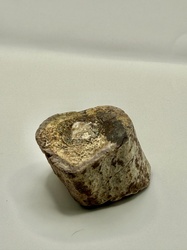
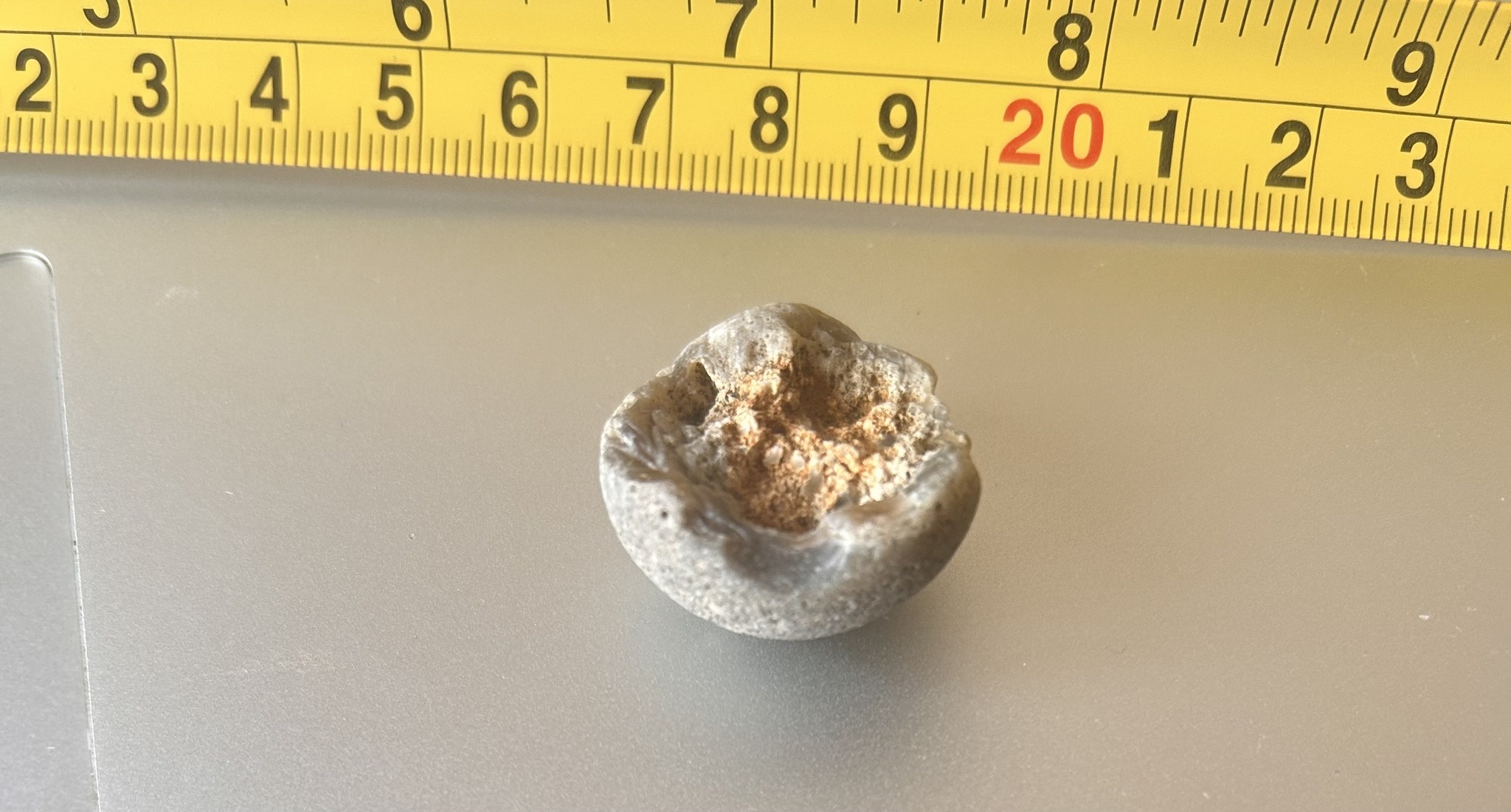
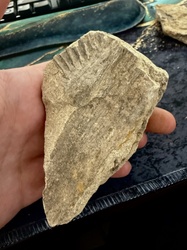
Fossilized echinoid consistent with the genus Porosphaera

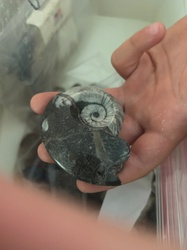
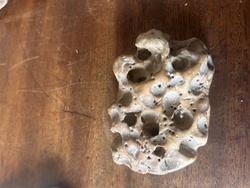
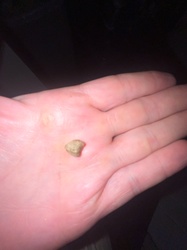
Submitted photo of Fossilized echinoid consistent with the genus Porosphaera
Photo submitted by the user — not generated by AI

AI Estimated Value

Not an official valuation

$10–$25

AI estimate as of July 17, 2026 · verify with a professional before acting

AI-Generated · Verify before acting

Everything on this page is generated by AI for informational purposes only. AI can make mistakes — the AI may misidentify items or misattribute them (artist, maker, brand, designer, origin, era). This is not an official valuation and should not be used for insurance, sale, tax, estate, legal, or lending purposes — or any decision requiring a certified appraisal. It is not an authoritative claim about any person, brand, or rights holder — do not share or rely on it as a factual statement about a third party. Always consult qualified professionals before making financial decisions.

Read the full disclaimer

AI Item Analysis

Small, spherical object measuring approximately 1.5 to 2 centimeters in diameter, as indicated by the yellow tape measure in the background. The specimen exhibits a rounded, bulbous form with a stony, grayish-white exterior. A significant depression or cavity is visible on the upper surface, containing crystalline, brownish-tan mineral deposits which appear to be secondary mineralization or matrix. The exterior surface shows subtle, weathered textures consistent with fossilized calcitic remains. Such specimens are frequently identified as small fossil sponges or sea urchins; specifically, the form is stylistically consistent with the genus Porosphaera, which is common in Cretaceous chalk deposits. There are no visible maker's marks or inscriptions, which is typical for a natural geologic or paleontological specimen. The item appears to be in an unpolished, raw state with minor surface abrasions and weathering consistent with being found in a marine or chalk environment. Definitive classification would require a microscopic examination of the pore structure to distinguish it from similar-looking nodules or different species of fossil sponges.
AI Appraisal Report

Based on the provided imagery, the specimen appears to be a small fossilized organism, possibly a fossil sponge consistent with the genus Porosphaera. From what I can see, the item measures roughly 1.5 to 2 centimeters and displays characteristic bulbous morphology and calcitic weathering. However, I cannot verify the internal structure or precise species from a photo alone; a physical inspection using magnification would be required to distinguish this biological specimen from a common chert or flint nodule with secondary mineralization. The value estimate is based on the assumption that this is a Cretaceous-era fossil. Specimens of this size and type are relatively common in certain geological deposits, such as the European chalk beds. The presence of the crystalline cavity adds some aesthetic interest, though the lack of professional preparation or polishing keeps the value at a more accessible level. Should the item be identified merely as a non-fossiliferous mineral nodule or a 'style of' fossil without biological origin, its market value would be negligible, likely under $5. General market demand for small, common fossils remains steady among entry-level collectors and educational buyers, but they do not command high prices unless they are part of a larger documented collection. To further refine this valuation, one would need to provide provenance regarding the discovery location and have a paleontologist verify the pore structure in person. The current estimate reflects typical market behavior for unauthenticated fossil specimens of this size and preservation state.

Keep exploring

More fossils and natural history specimens appraisals

Get your items appraised

Instant AI-powered appraisal estimates from a photo

Browse More Appraisals