AI Appraisal Estimate

AI-generated estimates · not official valuations

From the user

What was submitted

Photo and notes provided by the user — not generated by AI

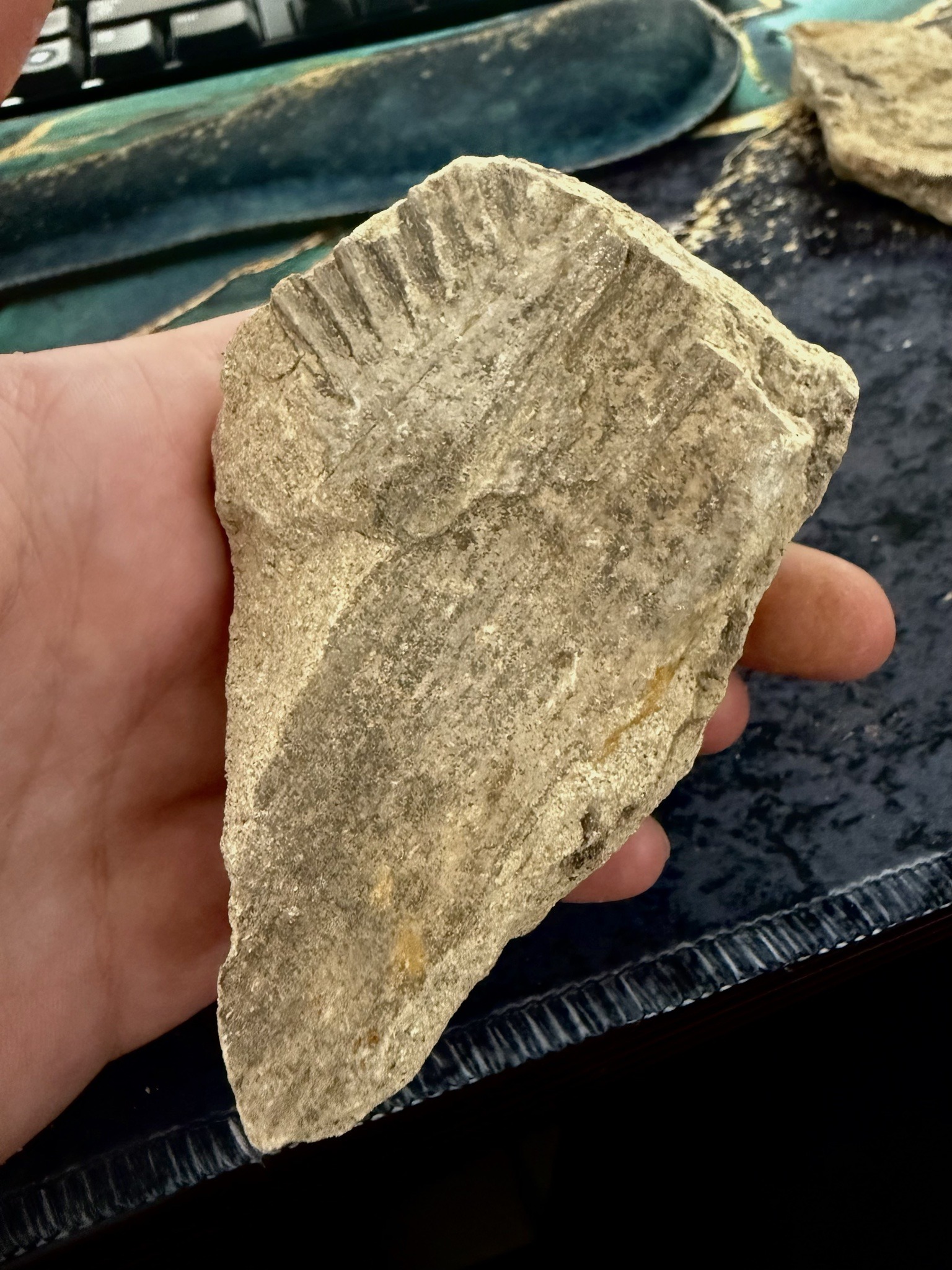
Submitted item photo
Submitted photo · May 22, 2026

User's notes

Fossil Cretaceous plant

AI analysis below

AI appraisal

AI analysis & estimate

AI-Generated · Verify before acting

Everything below is generated by AI for informational purposes only. AI can make mistakes — the AI may misidentify items or misattribute them (artist, maker, brand, designer, origin, era). This is not an official valuation and should not be used for insurance, sale, tax, estate, legal, or lending purposes — or any decision requiring a certified appraisal. It is not an authoritative claim about any person, brand, or rights holder — do not share or rely on it as a factual statement about a third party. Always consult qualified professionals before making financial decisions.

Note

This analysis also relies on unverified notes provided by the user, which may be incomplete or inaccurate and could affect the result.

Read the full disclaimer

AI Identification

·Not independently authenticated·Verify before acting

Paleobotanical fossil specimen consistent with plant material

Fossils and Natural History Specimens

AI Estimated Value

·Not an official valuation·Verify before acting

$35.00 - $65.00

As of May 22, 2026

AI Item Analysis

·AI can make mistakes·Verify before acting
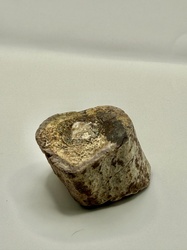
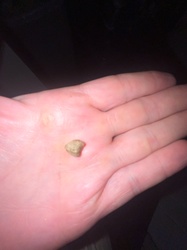
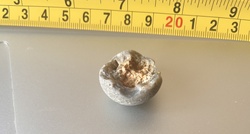
This item appears to be a geological specimen featuring an impression consistent with paleobotanical fossil remains. The primary feature is a series of parallel, vertical ridges and grooves suggesting the texture of a stem or leaf from a prehistoric plant, possibly an Equisetum-style rush or a similar fibrous plant structure. The user identifies this as a 'Fossil Cretaceous plant', which is a claim that cannot be scientifically verified through this image alone but is consistent with the general appearance of flora from that geological period. The matrix is a light tan to grayish sedimentary rock, likely limestone or siltstone, with a rough, irregular texture. Hand-held for scale, the piece is approximately 10 to 12 centimeters in length with a roughly triangular or wedge-shaped silhouette. There are visible fractures and weathering across the surface, with some minor yellowish-brown mineral staining or oxidation present. The fossilized impression itself occupies the upper portion of the stone, appearing somewhat flattened during the fossilization process. No labels or accession marks are visible on the specimen. Due to the lack of stratigraphic context or in-person microscopic analysis, the specific species and exact geological age cannot be stated with absolute certainty.
AI Appraisal Report

·AI can make mistakes·Verify before acting
Based on my examination of the image provided, the specimen exhibits morphological characteristics consistent with a paleobotanical impression, specifically featuring parallel ribbing and grooves associated with prehistoric rushes or fibrous stem structures. The owner identifies this as a 'Fossil Cretaceous plant.' While the visual evidence supports this as a working hypothesis, I cannot scientifically verify the geological age, stratigraphic context, or biological species through a photograph alone. The matrix appears to be a typical sedimentary siltstone or limestone, which is consistent with fossil preservation, though I cannot determine if the surface texture results from genuine mineralization or modern manipulation without an in-person microscopic analysis. Most items of this nature from the Cretaceous period are relatively common in the collectibles market unless they represent a rare genus or possess exceptional preservation. The current estimate of $35.00 - $65.00 assumes the specimen is a genuine fossil as described by the user. This value is driven by the size of the impression and the stability of the matrix, though visible weathering and fractures slightly limit its appeal. In the general market for natural history specimens, unauthenticated plant fossils of common varieties typically sell within this modest range. To reach a more definitive valuation and confirm the item's origin, the specimen would require a physical examination by a paleobotanist and documentation regarding its discovery location. Should the piece be found to be a non-fossiliferous geological 'pseudofossil' or a modern decorative recreation, the value would be negligible, likely under $10.00. Conversely, if it is authenticated as a rare species, the market demand could increase significantly.

Get your items appraised

Instant estimates of your treasures with AI-powered appraisals

Browse More Appraisals