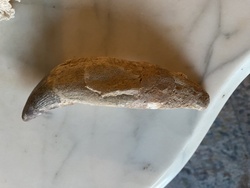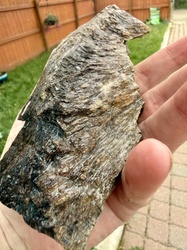
Agatized Theropod Dinosaur Gem Bone Fossil
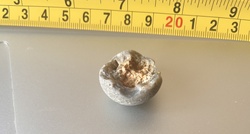
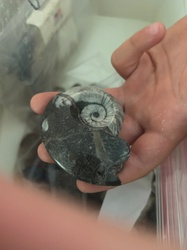
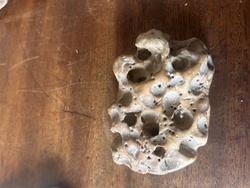
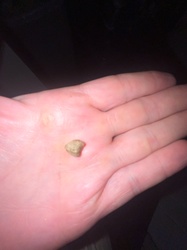
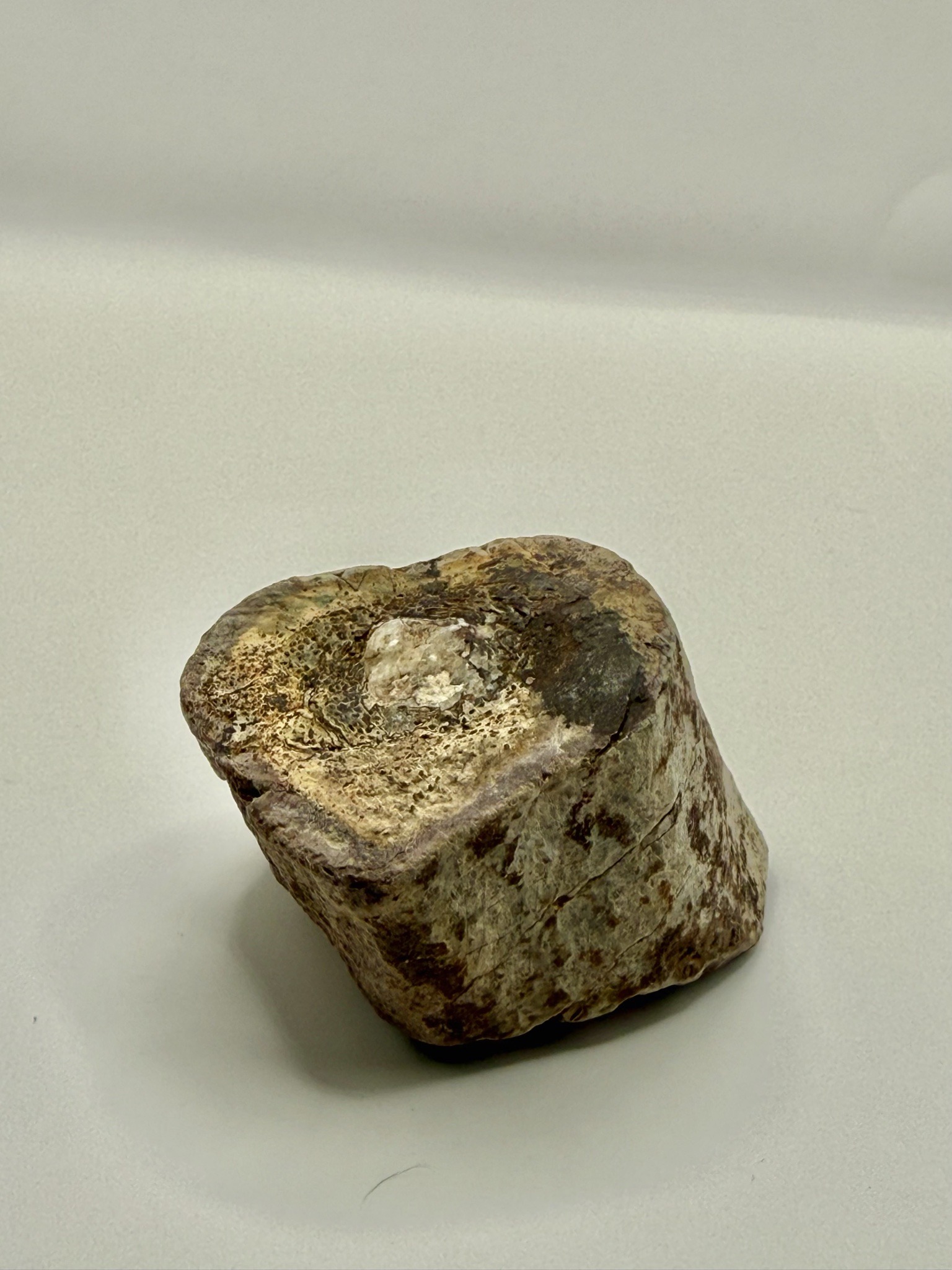
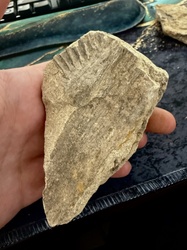
This specimen is a cross-section of a fossilized limb bone from a theropod dinosaur, exhibiting high-quality silicification or agatization. The piece displays a distinct internal morphology characteristic of 'gem bone' (Gembone), where the original bone tissue has been replaced over millions of years by minerals, primarily agate and quartz. The exterior surface shows a weathered, brownish-grey cortex with natural pitting and longitudinal fractures consistent with age and permineralization. On the cut or broken transverse face, the remarkably preserved cancellous (spongy) bone structure is visible. The tiny honeycomb-like cells, known as trabeculae, have been infilled with lighter-colored silica, creating a striking cellular pattern. The central marrow cavity appears to be filled with a solid, opaque mass of light-colored mineral, possibly chalcedony or calcite. The color palette ranges from cream and tan to dark chocolate brown and muted reddish hues, likely due to iron and manganese trace elements during the fossilization process. This specimen originates from the Mesozoic Era (likely Jurassic or Cretaceous periods) and is a prime example of biological structure preserved via mineral replacement. The craftsmanship is entirely natural, though the fossil may have been cleaned or stabilized to prevent further delamination. There are visible fractures and minor abrasions throughout, which are typical for fossils of this antiquity and do not significantly detract from its scientific or aesthetic value.
AI-Generated Appraisal Disclaimer
Estimated Value
$450 - $650
Basic Information
Category
Fossils and Natural History Specimens
Appraised On
May 12, 2026
Estimated Value
$450 - $650
Additional Details Provided By Owner
User Provided Information
Agate theropod gem bone fossil
Item Description
This specimen is a cross-section of a fossilized limb bone from a theropod dinosaur, exhibiting high-quality silicification or agatization. The piece displays a distinct internal morphology characteristic of 'gem bone' (Gembone), where the original bone tissue has been replaced over millions of years by minerals, primarily agate and quartz. The exterior surface shows a weathered, brownish-grey cortex with natural pitting and longitudinal fractures consistent with age and permineralization. On the cut or broken transverse face, the remarkably preserved cancellous (spongy) bone structure is visible. The tiny honeycomb-like cells, known as trabeculae, have been infilled with lighter-colored silica, creating a striking cellular pattern. The central marrow cavity appears to be filled with a solid, opaque mass of light-colored mineral, possibly chalcedony or calcite. The color palette ranges from cream and tan to dark chocolate brown and muted reddish hues, likely due to iron and manganese trace elements during the fossilization process. This specimen originates from the Mesozoic Era (likely Jurassic or Cretaceous periods) and is a prime example of biological structure preserved via mineral replacement. The craftsmanship is entirely natural, though the fossil may have been cleaned or stabilized to prevent further delamination. There are visible fractures and minor abrasions throughout, which are typical for fossils of this antiquity and do not significantly detract from its scientific or aesthetic value.
Get Your Items Appraised
Instant estimates of your treasures with AI-powered instant appraisals