AI Appraisal Estimate

AI-generated estimates · not official valuations

From the user

What was submitted

Photo and notes provided by the user — not generated by AI

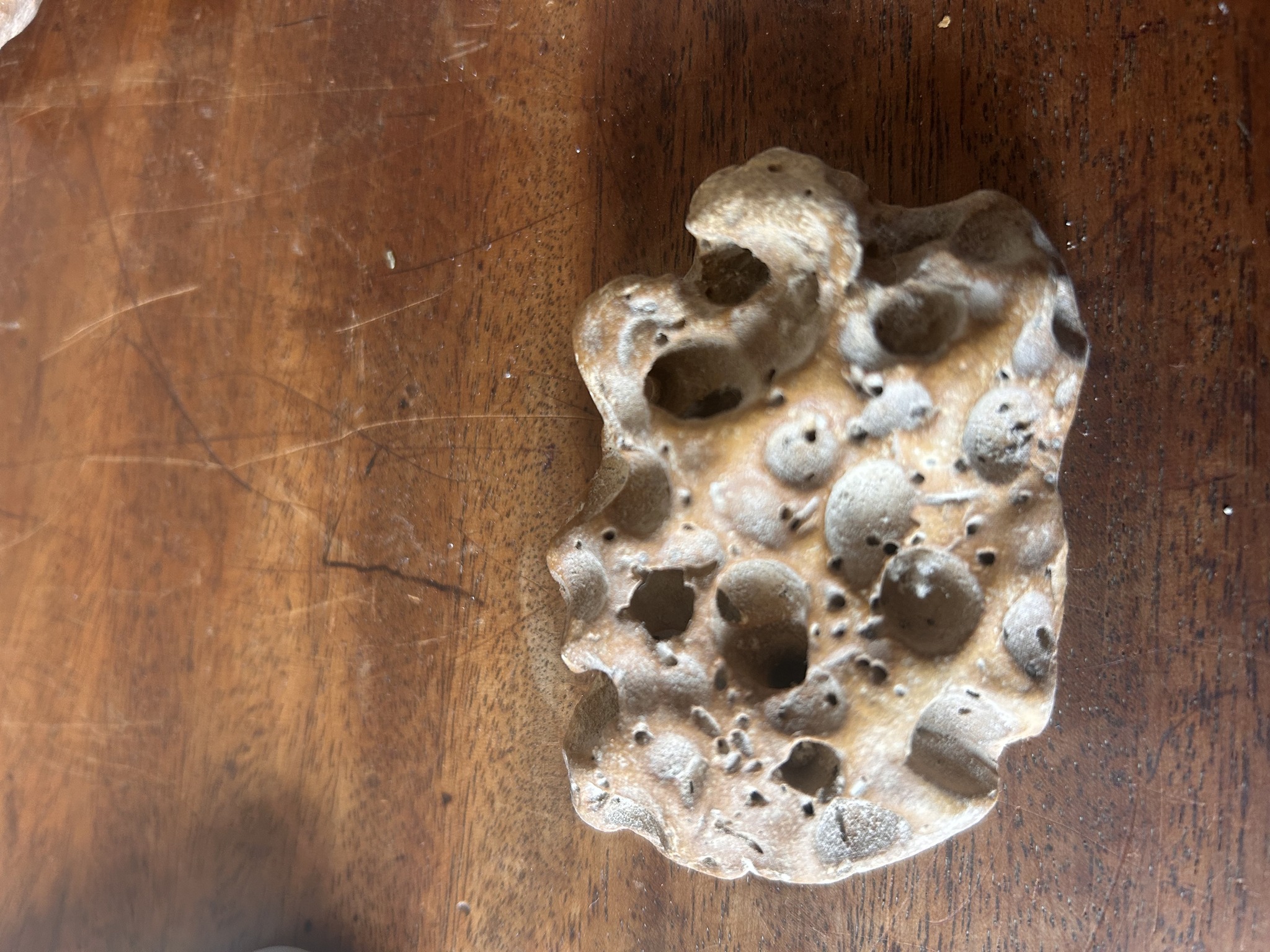
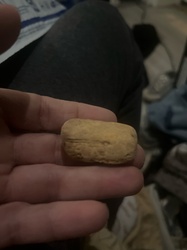
Submitted item photo
Submitted photo · July 18, 2026

User's notes

found

AI analysis below

AI appraisal

AI analysis & estimate

AI-Generated · Verify before acting

Everything below is generated by AI for informational purposes only. AI can make mistakes — the AI may misidentify items or misattribute them (artist, maker, brand, designer, origin, era). This is not an official valuation and should not be used for insurance, sale, tax, estate, legal, or lending purposes — or any decision requiring a certified appraisal. It is not an authoritative claim about any person, brand, or rights holder — do not share or rely on it as a factual statement about a third party. Always consult qualified professionals before making financial decisions.

Note

This analysis also relies on unverified notes provided by the user, which may be incomplete or inaccurate and could affect the result.

Read the full disclaimer

AI Identification

·Not independently authenticated·Verify before acting

Irregular porous specimen consistent with marine or calcified organic rock

Natural Specimens and Geological Samples

AI Estimated Value

·Not an official valuation·Verify before acting

$10 - $40

As of July 18, 2026

AI Item Analysis

·AI can make mistakes·Verify before acting
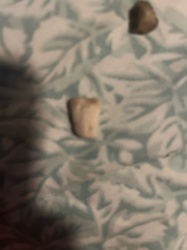
This object is an irregular, slab-like specimen characterized by a highly porous and pitted texture. The material appears to be a light tan or beige calcified substance, exhibiting some darker brown and greyish tonal variations across its uneven surface. The physical structure is defined by numerous circular and oblong cavities of varying depths and diameters, which are stylistically consistent with bioerosion caused by boring organisms like sponges or mollusks in a marine environment. The surface shows a rough, matte finish with many small black granular inclusions or holes dispersed throughout, possibly indicating mineral deposits or further biological impact. There are no legible maker's marks, signatures, or inscriptions, which is typical for a natural or geological find. The owner notes that this was 'found,' but the exact geolocation or origins remain unverified from the image. While the specimen superficially resembles a piece of honeycomb or scoria, it is most consistent with a fragment of soft limestone or coral rock that has undergone extensive weathering and biological predation. The edges are rugged and non-uniform, suggesting it may be a broken piece of a larger formation. Due to the lack of diagnostic chemical testing, it is impossible to determine if this is a natural fossilized formation or a modern weathered cast-off from a coastal area.
AI Appraisal Report

·AI can make mistakes·Verify before acting
Based on my visual analysis of the provided image, this specimen appears consistent with a weathered fragment of marine-origin calcified rock or soft limestone, likely exhibiting bioerosion from boring organisms. While the porous structure is aesthetically intriguing, I cannot verify the exact chemical composition or geological age from a photograph alone. Such specimens require physical density testing and microscopic analysis to determine if they are contemporary coastal cast-offs or fossilized formations. Per user submission, the item was 'found,' which lacks the documented provenance or geolocation data necessary to establish significant scientific or collector value. Based on what I can see, the surface shows typical environmental wear and lacks rare mineral inclusions that would elevate it beyond a decorative natural curiosity. The valuation reflects the general market for unattributed geological samples of this size and condition often found in 'rock shop' settings. This estimate assumes the item is a natural formation; if it were determined through physical inspection to be an anthropogenic material, such as weathered industrial slag or a cast reproduction, the value would be negligible ($0-5). Conversely, if scientific testing were to establish it as a specific, rare fossil type with verified locality data, the value could increase slightly. For a more formal assessment, an in-person examination by a geologist or paleontologist would be required to confirm the specimen's origins and identify any potential micro-fossil content.

Get your items appraised

Instant estimates of your treasures with AI-powered appraisals

Browse More Appraisals