AI Appraisal Estimate

AI-generated estimates · not official valuations

From the user

What was submitted

Photo and notes provided by the user — not generated by AI

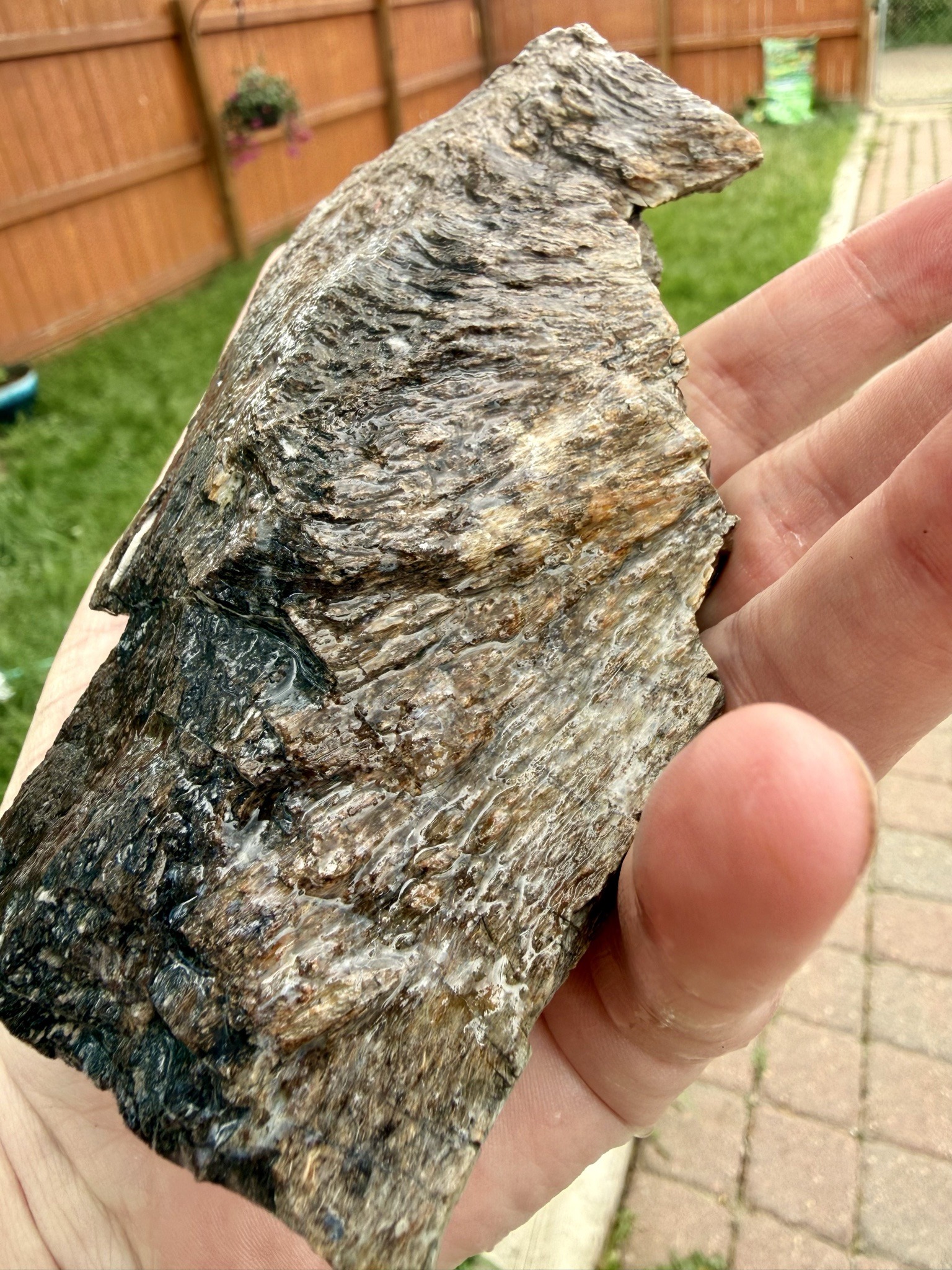
Submitted item photo
Submitted photo · June 3, 2026

User's notes

Partial sauropod rib Bone

AI analysis below

AI appraisal

AI analysis & estimate

AI-Generated · Verify before acting

Everything below is generated by AI for informational purposes only. AI can make mistakes — the AI may misidentify items or misattribute them (artist, maker, brand, designer, origin, era). This is not an official valuation and should not be used for insurance, sale, tax, estate, legal, or lending purposes — or any decision requiring a certified appraisal. It is not an authoritative claim about any person, brand, or rights holder — do not share or rely on it as a factual statement about a third party. Always consult qualified professionals before making financial decisions.

Note

This analysis also relies on unverified notes provided by the user, which may be incomplete or inaccurate and could affect the result.

Read the full disclaimer

AI Identification

·Not independently authenticated·Verify before acting

Fossilized bone fragment consistent with sauropod rib

Fossils and Natural History

AI Estimated Value

·Not an official valuation·Verify before acting

$50 - $150

As of June 3, 2026

AI Item Analysis

·AI can make mistakes·Verify before acting
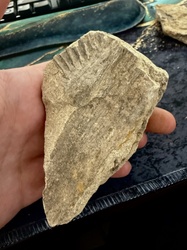
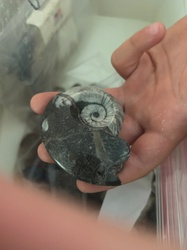
This object is a mineralized fragment of organic origin, displaying physical characteristics consistent with fossilized vertebrate bone. Held in a person's hand for scale, the specimen appears to be approximately 15 to 20 centimeters in length and is composed of dense, petrified material. The surface exhibits a distinct longitudinal, fibrous texture and cortical structure characteristic of large skeletal remains. Coloration ranges from tan and creamy ochre to deep charcoal gray and black, possibly indicating various mineral infusions such as hematite or manganese during the permineralization process. The owner identifies this as a 'partial sauropod rib bone,' a claim that is stylistically consistent with the size and linear morphology of the fragment, though this remains an unverified hypothesis without professional paleontological review or stratigraphic context. The specimen shows significant weathering, with fractured, irregular edges and a lack of complete anatomical landmarks. Some areas appear slightly glossy, which may be a result of moisture or a topical consolidant application. The identification as sauropod-related is based on the visible scale and structural density, which appear consistent with large Mesozoic-era reptiles, but remains unconfirmed from visual inspection alone.
AI Appraisal Report

·AI can make mistakes·Verify before acting
Based on the provided description and image, I have examined this mineralized specimen which the owner identifies as a 'partial sauropod rib bone.' My analysis is based solely on visual characteristics; I cannot verify the biological taxonomy or geological age from a photo alone, as a physical inspection by a paleontologist would be required to confirm the species and stratigraphic origin. The specimen exhibits a fibrous cortical structure and mineral coloration consistent with the hypothesis of fossilized vertebrate material. However, without documented provenance or a more complete anatomical section, it remains a fragmentary piece with lost landmarks. The value of $50-$150 is based on the assumption that this is a Mesozoic-era dinosaur bone fragment as described. This range reflects the common market for unprovenanced, weathered fragments of large dinosaur bone which are often sold as cabinet specimens or for study. If the item were to be scientificially confirmed as a specific, rare sauropod genus with documented collection data, the value could increase slightly; conversely, if the specimen is found to be a more common Cenozoic mammal bone or an inorganic mineral formation mimicking bone structure, the value would likely drop below $20. The current estimate is tempered by the fact that the specimen is highly weathered and lacks the aesthetic appeal of a polished or more articulated fossil. To move beyond this working hypothesis, I recommend a stratigraphic analysis to determine the formation of discovery and a forensic examination of the cellular structure to differentiate it from non-dinosaurian remains.

Get your items appraised

Instant estimates of your treasures with AI-powered appraisals

Browse More Appraisals