AI identification & appraisal estimate

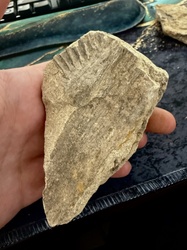
Small mineral or organic specimen consistent with fossilized remains

This name is the AI's identification of the item — it may be incorrect.

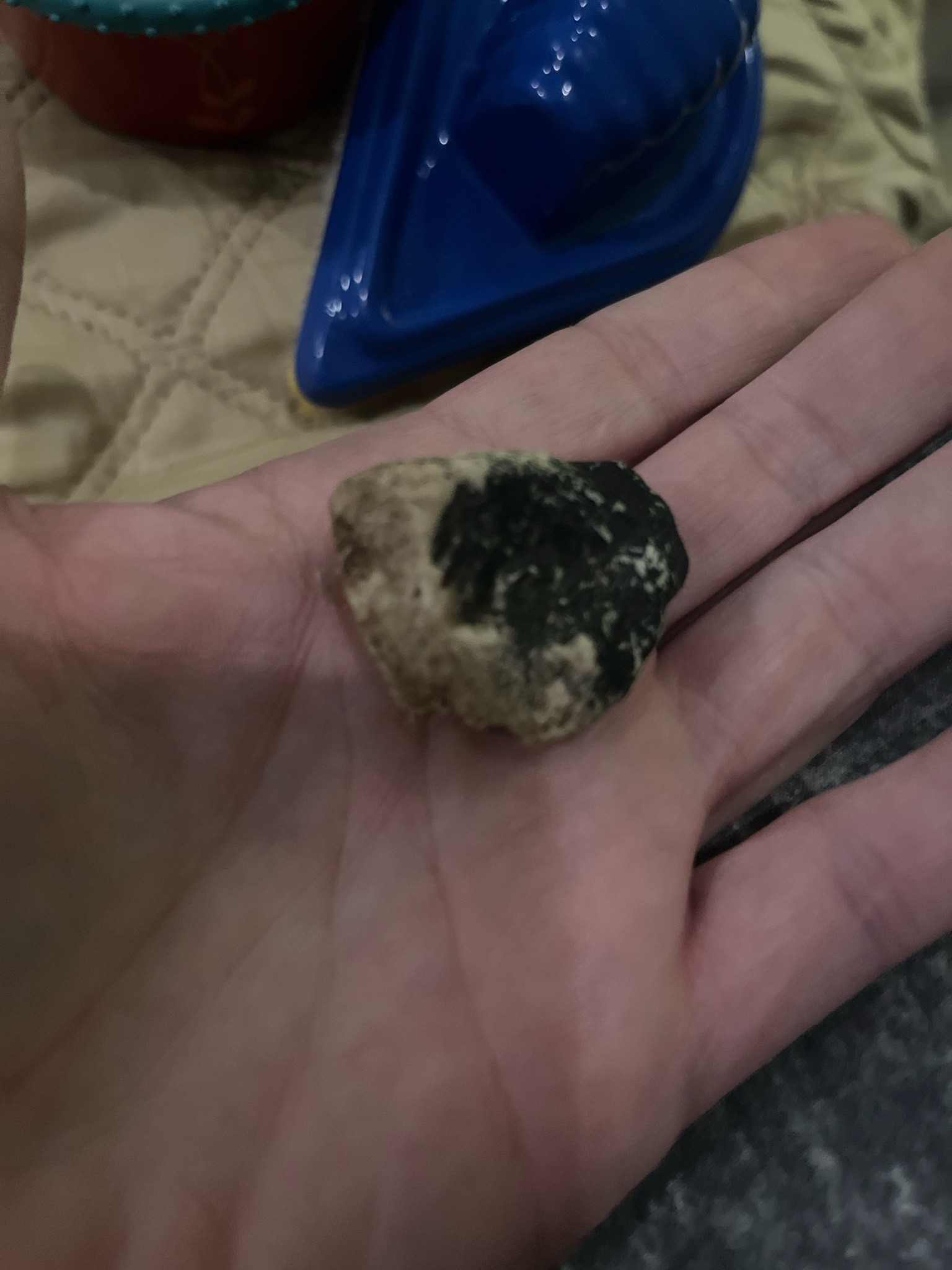
Submitted photo of Small mineral or organic specimen consistent with fossilized remains
Photo submitted by the user — not generated by AI

AI Estimated Value

Not an official valuation

$5 - $25

AI estimate as of June 12, 2026 · verify with a professional before acting

AI-Generated · Verify before acting

Everything on this page is generated by AI for informational purposes only. AI can make mistakes — the AI may misidentify items or misattribute them (artist, maker, brand, designer, origin, era). This is not an official valuation and should not be used for insurance, sale, tax, estate, legal, or lending purposes — or any decision requiring a certified appraisal. It is not an authoritative claim about any person, brand, or rights holder — do not share or rely on it as a factual statement about a third party. Always consult qualified professionals before making financial decisions.

Read the full disclaimer

AI Item Analysis

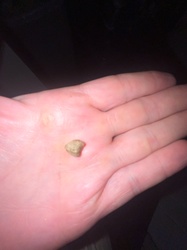
A small, irregularly shaped specimen approximately 2 to 3 centimeters in diameter, held in a person's palm for scale. The object exhibits a dual-toned color scheme with a pale cream or beige porous section joined to a dark, charcoal-colored or black section. The texture appears rugged and calcified on the lighter side, while the darker side displays a denser, slightly more uniform crystalline or mineralized structure. Based on visual characteristics, it appears consistent with a fragment of fossilized bone or a piece of bicolored mineral like chert or flint, though no specific species or mineral composition can be determined from an image alone. There are no visible maker's marks, labels, or engravings. The condition appears weathered and natural, with edge wear consistent with environmental exposure or mechanical abrasion. Because this is an unlabelled natural object, identification is purely a hypothesis based on surface morphology and color; definitive identification would require physical tests such as a Mohs hardness test or professional paleontological review to verify potential organic origin.
AI Appraisal Report

Based on my visual examination of the provided image, the specimen appears to be a small mineral or organic fragment approximately 2 to 3 cm in diameter. I am treating the identification as a working hypothesis: it exhibits surface morphology and porosity consistent with a fossilized bone fragment or a bicolored mineral specimen such as chert. However, I cannot verify the exact composition or biological origin from a photograph alone. The dual-toned, rugged texture suggests a natural find rather than a manufactured object. The valuation range of $5 to $25 is based on the assumption that this is a relatively common, unidentified natural specimen found in the general market for curiosities and educational fossils. Small, unlabelled fragments of this nature typically carry nominal value due to the lack of specific provenance, species identification, or locality data. If the item were to be professionally evaluated and identified as a rare or scientifically significant fossil species, the value could increase, though such an outcome is statistically less likely for weathered surface finds. Conversely, if physical testing (such as a Mohs hardness test) reveals it to be a common modern stone or industrial byproduct, the value would be negligible. To provide a more accurate estimate, an in-person inspection by a paleontologist or mineralogist would be required to perform density and structural analysis. The current market demand for unprovenanced fragments is primarily limited to amateur collectors and educational use, where affordability is a key factor.

Keep exploring

More natural specimens and fossils appraisals

Get your items appraised

Instant AI-powered appraisal estimates from a photo

Browse More Appraisals