AI identification & appraisal estimate

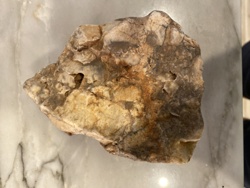
Small mineral or biological specimen

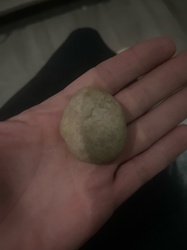
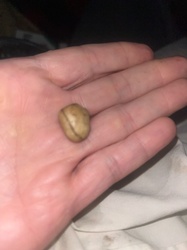
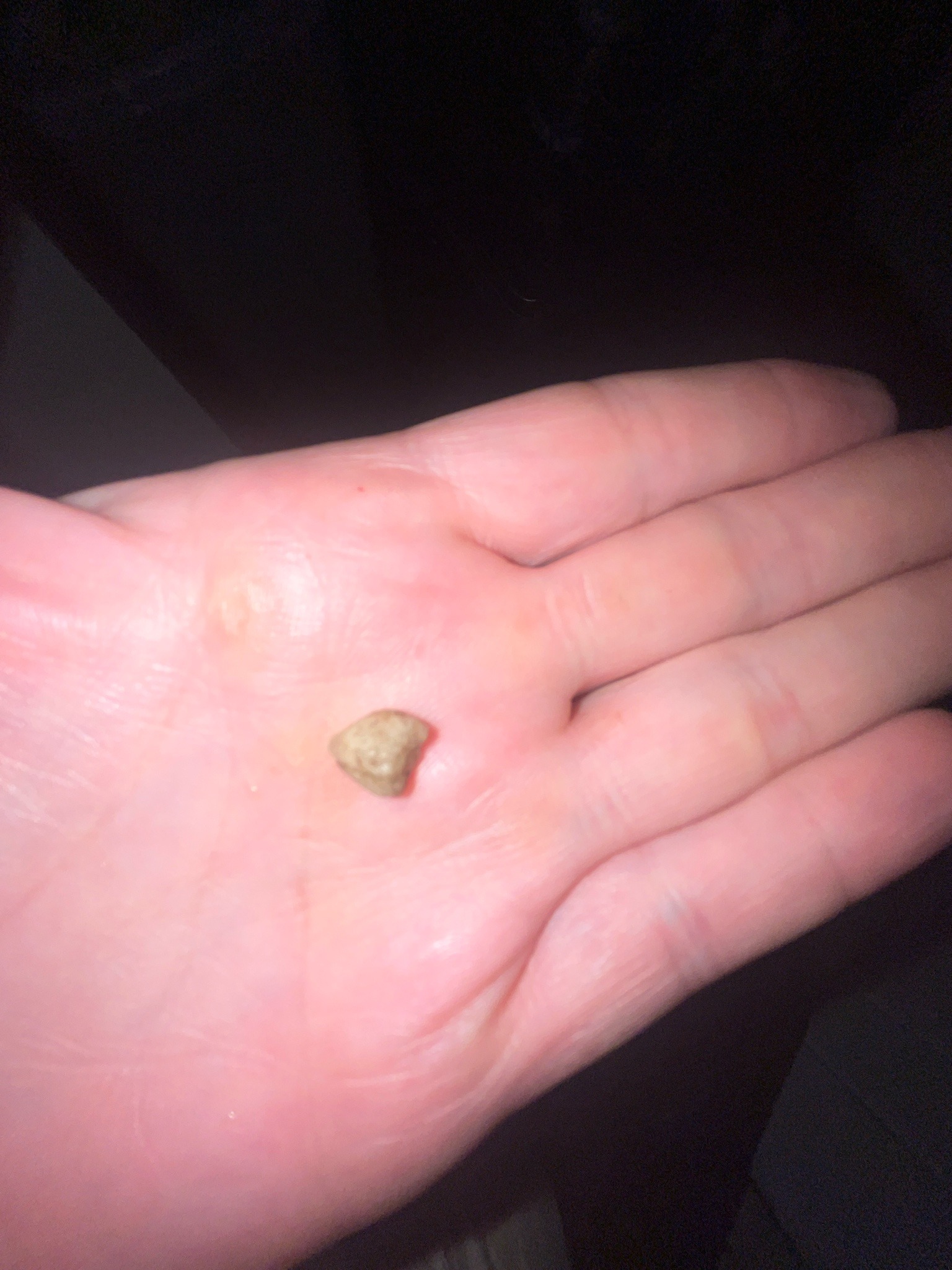
Submitted photo of Small mineral or biological specimen
Photo submitted by the user — not generated by AI

AI Estimated Value

Not an official valuation

$0.00 - $5.00

AI estimate as of June 16, 2026 · verify with a professional before acting

AI-Generated · Verify before acting

Everything on this page is generated by AI for informational purposes only. AI can make mistakes — the AI may misidentify items or misattribute them (artist, maker, brand, designer, origin, era). This is not an official valuation and should not be used for insurance, sale, tax, estate, legal, or lending purposes — or any decision requiring a certified appraisal. It is not an authoritative claim about any person, brand, or rights holder — do not share or rely on it as a factual statement about a third party. Always consult qualified professionals before making financial decisions.

Read the full disclaimer

AI Item Analysis

The photograph displays a very small, irregular object resting in the palm of a hand. The item appears to be approximately 5 to 7 millimeters in length, featuring an asymmetrical, somewhat pyramidal or bean-like shape. Its color is a mottled beige or light tan with a matte, non-reflective surface. The texture appears slightly granular and uneven, consistent with various natural substances. Without a physical inspection or chemical analysis, it is impossible to identify its exact composition; however, it is stylistically consistent with a small gravel pebble, a mineral fragment, or a biological concrement such as a tonsil stone or small kidney stone. There are no visible markings, labels, or manufacturing details on the object. The item shows no distinct signs of tool-shaping or artistic intention, suggesting it is likely a naturally occurring or byproduct specimen. The scale provided by the human hand indicates a very low mass. Because the image provides limited detail and no context regarding the item's origin, this identification is a hypothesis based purely on visual morphological features.
AI Appraisal Report

Based on the photograph provided, I have examined a small, irregular specimen approximately 5 to 7 millimeters in length. From this visual inspection, I cannot determine the exact chemical or biological composition of the item; it appears consistent with a hypothesis of a common gravel pebble, a mineral fragment, or a biological byproduct such as a tonsil stone. Based on what I can see, the object lacks any distinctive aesthetic features, precious mineral characteristics, or artificial craftsmanship that would typically confer market value. If the item is indeed a common lithic fragment or biological specimen, it possesses negligible financial value and is essentially a curiosity or waste material. The high end of the estimate accounts for the remote possibility that the item is a specific geological specimen of interest to a niche collector, though I cannot verify this without physical testing. A physical inspection, including hardness testing or microscopic analysis, would be necessary to identify the material and rule out its identity as common debris. In the current market for natural specimens, items lacking provenance or unique scientific interest generally do not command a resale price. If this item were to be identified through scientific testing as a rare mineral or a significant meteorite fragment, the value could increase significantly; however, as a hypothesized common pebble, its value remains nominal.

Keep exploring

More natural specimens appraisals

Get your items appraised

Instant AI-powered appraisal estimates from a photo

Browse More Appraisals