AI Appraisal Estimate

AI-generated estimates · not official valuations

From the user

What was submitted

Photo and notes provided by the user — not generated by AI

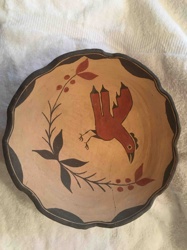
Submitted item photo
Submitted photo · June 20, 2026

User's notes

No additional notes provided.

AI analysis below

AI appraisal

AI analysis & estimate

AI-Generated · Verify before acting

Everything below is generated by AI for informational purposes only. AI can make mistakes — the AI may misidentify items or misattribute them (artist, maker, brand, designer, origin, era). This is not an official valuation and should not be used for insurance, sale, tax, estate, legal, or lending purposes — or any decision requiring a certified appraisal. It is not an authoritative claim about any person, brand, or rights holder — do not share or rely on it as a factual statement about a third party. Always consult qualified professionals before making financial decisions.

Read the full disclaimer

AI Identification

·Not independently authenticated·Verify before acting

Pueblo Storyteller Pottery Figurine

Native American Art & Ceramics

AI Estimated Value

·Not an official valuation·Verify before acting

$450 - $650

As of June 20, 2026

AI Item Analysis

·AI can make mistakes·Verify before acting
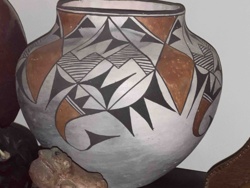
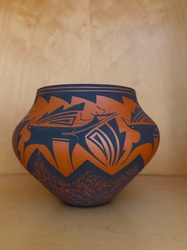
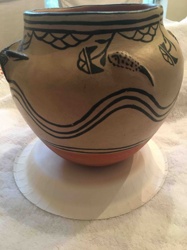
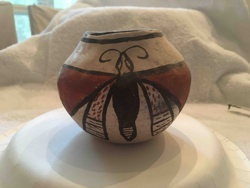
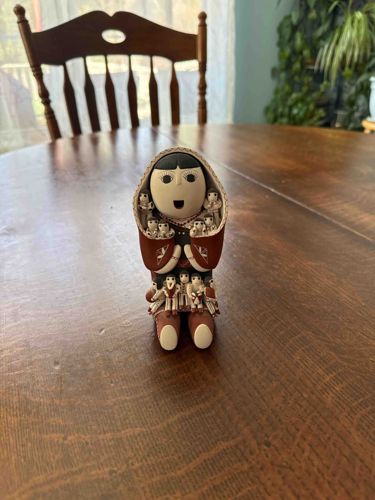
This is a hand-coiled and hand-painted polychrome ceramic figurine, traditionally known as a 'Storyteller' figure, originating from the Pueblo peoples of the American Southwest (likely Cochiti, Jemez, or Acoma). The piece features a central female adult figure with an open mouth, symbolic of the oral tradition of passing down stories. She is depicted with approximately 10 to 12 smaller children clinging to her arms and lap, each individually sculpted with unique facial expressions. The figurine is crafted from natural clay using earth-toned slips, predominantly a deep terracotta red, a creamy off-white, and black accents for detail. The adult figure wears a traditional patterned shawl with geometric motifs. Its construction demonstrates high-level craftsmanship, with smooth burnishing and fine line-work in the painted details. Based on the style and pigment application, this likely dates from the late 20th century to the early 21st century. The condition appears to be excellent with no visible cracks, chips, or significant paint loss, though minor surface patina consistent with age is present. No maker's mark is visible from this angle, but such pieces are often signed on the bottom by the artist.
AI Appraisal Report

·AI can make mistakes·Verify before acting
I have carefully examined the provided images of this Pueblo Storyteller pottery figurine. This piece represents a quintessential example of late 20th to early 21st-century Southwest ceramic art. The high number of children (10-12) significantly enhances its marketability, as value in Storytellers often scales with the complexity and quantity of secondary figures. The craftsmanship displays excellent symmetry, smooth burnishing, and crisp geometric linework on the shawl, suggesting a skilled potter likely from Cochiti or Jemez Pueblo. The condition appears exceptional; I note no visible chips to the delicate fingers or toes of the children, which are common points of failure for these items. The earth-toned slips (white, red, and black) appear well-adhered without significant flaking. Market demand for Storytellers remains steady among collectors of Native American art, though prices have stabilized compared to the peak of the 1980s. Comparables for unsigned pieces of this size and complexity typically realize $400-$700 at auction or specialty boutiques. However, this appraisal is subject to several limitations. Authenticity and value are heavily dependent on the artist's signature; a mark by a recognized master like Helen Cordero or a member of the Lucero family would increase this valuation fivefold or more. Without a physical inspection, I cannot confirm if the materials are 100% natural indigenous clay and wild-harvested pigments, or if commercial substitutes were used. A full authentication would require an in-person examination of the base for a signature, a tactile check for ‘pop-outs’ (mineral impurities), and provenance documentation tracing the piece back to the Pueblo of origin.

Get your items appraised

Instant estimates of your treasures with AI-powered appraisals

Browse More Appraisals