AI identification & appraisal estimate

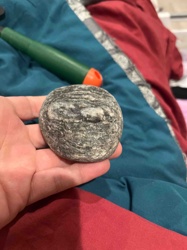
Fibrous metallic mineral specimen, consistent with stibnite or schorl

This name is the AI's identification of the item — it may be incorrect.

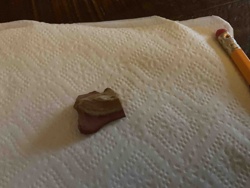
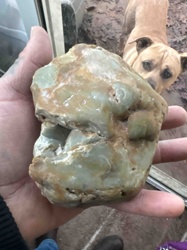
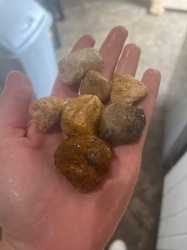
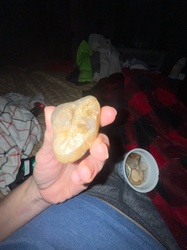
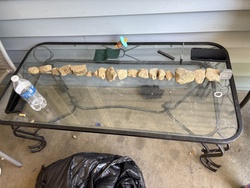
Submitted photo of Fibrous metallic mineral specimen, consistent with stibnite or schorl
Photo submitted by the user — not generated by AI

AI Estimated Value

Not an official valuation

$40–$80

AI estimate as of July 24, 2026 · verify with a professional before acting

AI-Generated · Verify before acting

Everything on this page is generated by AI for informational purposes only. AI can make mistakes — the AI may misidentify items or misattribute them (artist, maker, brand, designer, origin, era). This is not an official valuation and should not be used for insurance, sale, tax, estate, legal, or lending purposes — or any decision requiring a certified appraisal. It is not an authoritative claim about any person, brand, or rights holder — do not share or rely on it as a factual statement about a third party. Always consult qualified professionals before making financial decisions.

Read the full disclaimer

AI Item Analysis

AI can make mistakes
This specimen presents a elongated, highly fibrous, metallic structure with a silvery-grey to dark steel luster. The texture appears coarse with deep, parallel longitudinal striations running along the length of the rock or mineral body. The overall morphology is consistent with certain fibrous or acicular metallic minerals, such as stibnite (antimony trisulfide) or possibly a highly metallic/silvery variant of tourmaline (schorl), though physical testing (such as streak test, hardness test, and specific gravity measurement) would be required for a formal geological identification. The surface exhibits small scattered inclusions or pitting and natural crystalline irregularities typical of unrefined mineral formations. No visible labels, stamps, or maker's marks are present. The specimen is held in human fingers, providing a scale indicating a length of several inches.
AI Appraisal Report

AI can make mistakes
Based on what I can see in the provided image, this specimen displays an elongated, fibrous to acicular crystalline habit with a metallic, steel-grey luster and pronounced longitudinal striations. The visual characteristics are consistent with minerals such as stibnite or possibly a metallic variety of schorl tourmaline. However, I cannot verify the exact mineral species from a photograph alone. A conclusive identification would require physical inspection and testing, such as evaluating hardness, streak, specific gravity, or performing X-ray diffraction. Assuming the specimen is stibnite of this size (approximately 3 to 4 inches in length) and display quality, the estimated fair market value falls within the $40 to $80 range. Smaller to mid-sized mineral hand specimens of this nature enjoy steady demand among educational collectors, rockhounds, and mineral enthusiasts. The value is driven by the integrity of the crystal formation, luster, and overall aesthetic appeal. Visual surface pitting and minor termination wear typical of natural extraction are present, which are factored into this valuation. Should in-person testing reveal the specimen to be a more common mineral or a less sought-after material, the market value would likely adjust downward to $10–$20. Conversely, if it is authenticated as a high-purity stibnite specimen with undamaged crystal terminations from a notable, well-documented locality (such as the Ichinokawa mine in Japan or specific Chinese deposits), its value could increase significantly with proper provenance documentation. For formal mineralogical classification, an in-person examination by a professional geologist or mineralogist is recommended.

Keep exploring

More rocks & minerals appraisals

Get your items appraised

Instant AI-powered appraisal estimates — a starting point, not an official valuation

Browse More Appraisals