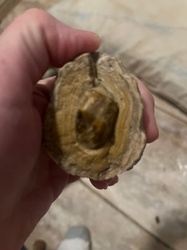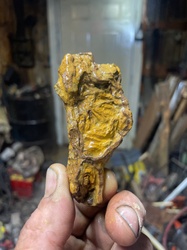
AI identification & appraisal estimate

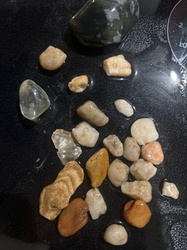
Naturally weathered sedimentary or silicate rock specimen

This name is the AI's identification of the item — it may be incorrect.

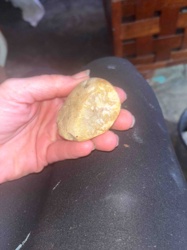
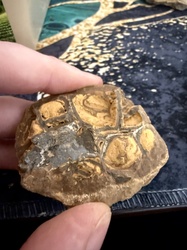
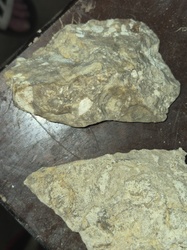
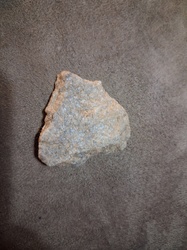
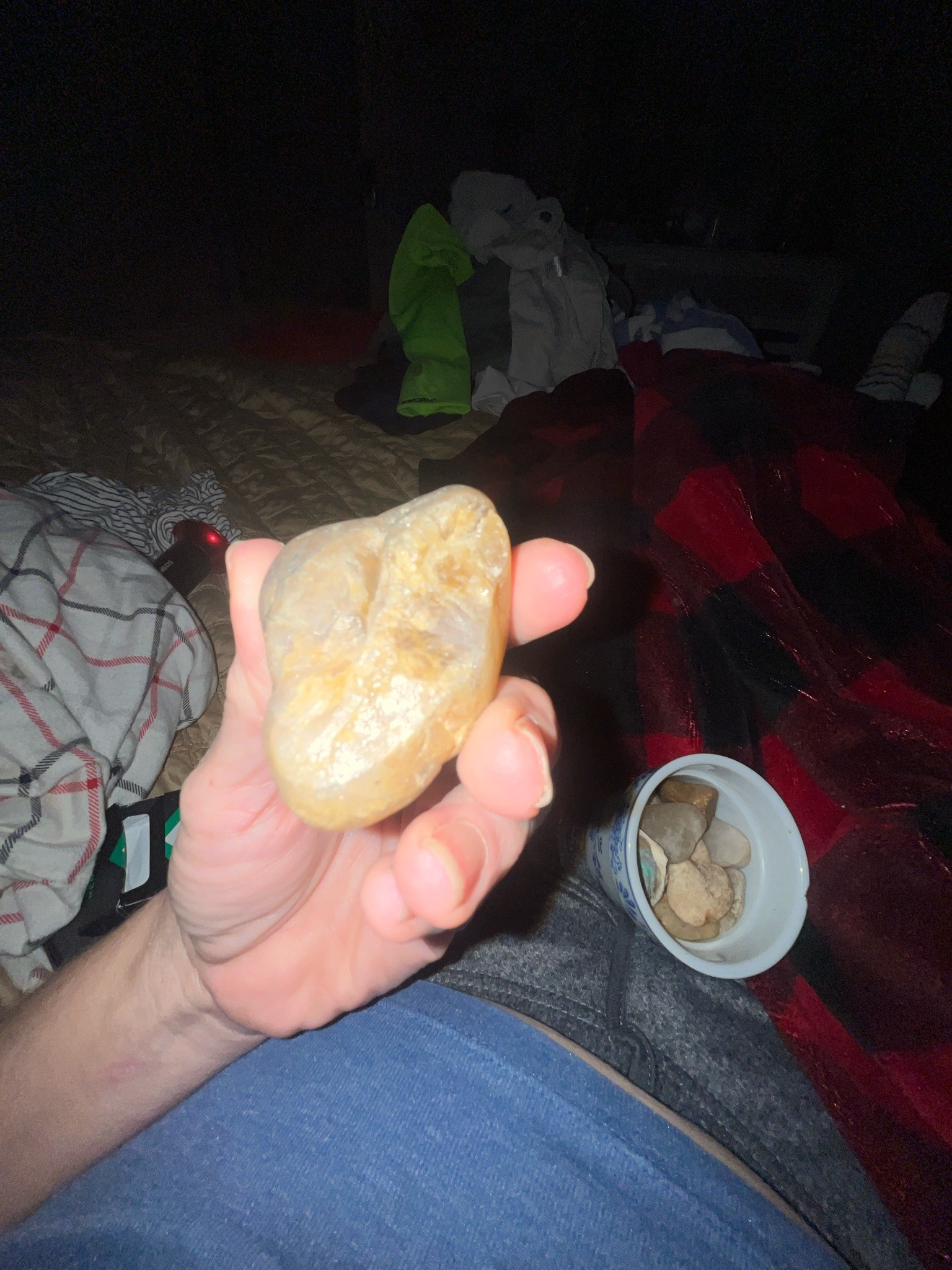
Submitted photo of Naturally weathered sedimentary or silicate rock specimen
Photo submitted by the user — not generated by AI

AI Estimated Value

Not an official valuation

$10–$35

AI estimate as of June 11, 2026 · verify with a professional before acting

AI-Generated · Verify before acting

Everything on this page is generated by AI for informational purposes only. AI can make mistakes — the AI may misidentify items or misattribute them (artist, maker, brand, designer, origin, era). This is not an official valuation and should not be used for insurance, sale, tax, estate, legal, or lending purposes — or any decision requiring a certified appraisal. It is not an authoritative claim about any person, brand, or rights holder — do not share or rely on it as a factual statement about a third party. Always consult qualified professionals before making financial decisions.

Read the full disclaimer

AI Item Analysis

This item appears to be a hand-sized natural rock or mineral specimen, held between fingers to show its scale. The specimen exhibits a pale yellow to light tan coloration with areas of translucent white and opaque cream. The surface texture is irregular, showing evidence of natural water-worn or wind-weathered erosion, resulting in rounded edges and a waxy to slightly glossy luster consistent with silicate minerals such as quartzite, agate, or common opal. There are no visible maker's marks, signatures, or inscriptions, as this is a natural geologic object. The piece shows naturally occurring pits, internal fractures, and iron-oxide staining typical of specimens found in riverbeds or coastal environments. Identification of the specific mineral composition is based on stylistic visual features such as opacity and color transition; however, without a hardness test or chemical analysis, the exact geologic classification remains a hypothesis. The craftsmanship is entirely natural, shaped by environmental forces rather than human intervention. No artificial modifications or repairs are visible in the provided image.
AI Appraisal Report

Based on the provided imagery, the specimen appears to be a naturally weathered silicate or sedimentary rock, potentially a common agate, chalcedony, or highly silicified quartzite. The value estimate is predicated on its status as a natural geologic curiosity found in common riverbed or coastal environments. Based on what I can see, the piece lacks the distinct banding of high-grade 'fire' agates or the rare crystalline structures that would command a premium in the mineralogical market. From a photo, I cannot verify the specific mineral hardness or chemical composition, which would require a Mohs scale test or specific gravity analysis. The current valuation reflects typical market interest for unworked, hand-sized river stones sold for decorative or metaphysical purposes. Higher-end values within this range would depend on the specimen possessing a higher degree of translucency or unique internal inclusions not fully visible here. If this specimen were to be identified through physical inspection as a more common landscape stone or simple quartz pebble, the value would likely drop toward the lower end or nominal 'found object' pricing. Conversely, should an in-person examination by a geologist reveal it to be a rare variety of common opal or a high-quality lapidary grade chalcedony, a slight increase in value might be supported. To confirm the identification and potential value, physical testing and comparisons with local geologic surveys from the find-site would be necessary.

Keep exploring

More rocks, minerals, and fossils appraisals

Get your items appraised

Instant AI-powered appraisal estimates from a photo

Browse More Appraisals