AI Appraisal Estimate

AI-generated estimates · not official valuations

From the user

What was submitted

Photo and notes provided by the user — not generated by AI

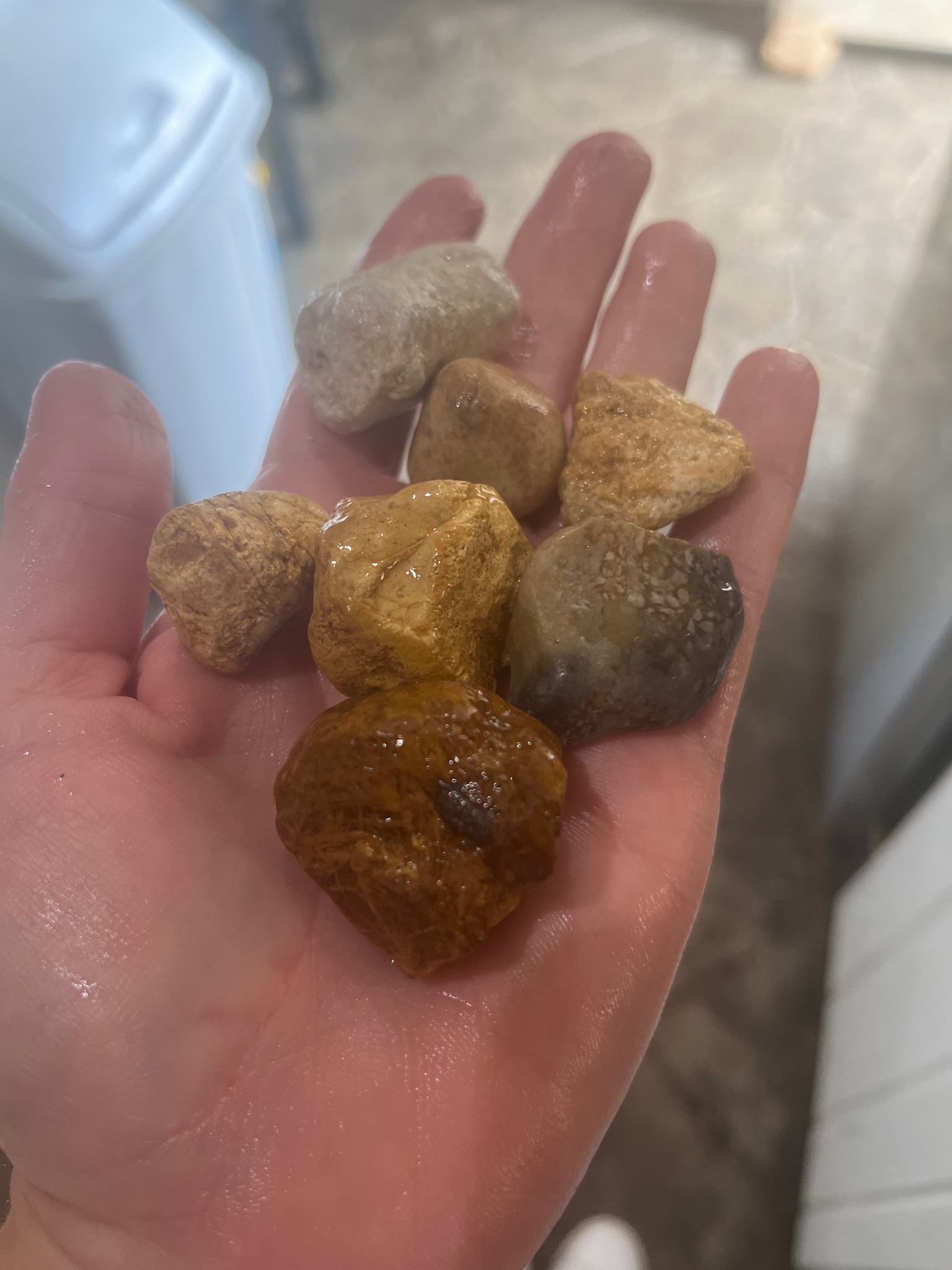
Submitted item photo
Submitted photo · May 30, 2026

User's notes

No additional notes provided.

AI analysis below

AI appraisal

AI analysis & estimate

AI-Generated · Verify before acting

Everything below is generated by AI for informational purposes only. AI can make mistakes — the AI may misidentify items or misattribute them (artist, maker, brand, designer, origin, era). This is not an official valuation and should not be used for insurance, sale, tax, estate, legal, or lending purposes — or any decision requiring a certified appraisal. It is not an authoritative claim about any person, brand, or rights holder — do not share or rely on it as a factual statement about a third party. Always consult qualified professionals before making financial decisions.

Read the full disclaimer

AI Identification

·Not independently authenticated·Verify before acting

Lake Superior Agates and Raw Jasper Stones

Rocks, Minerals, and Fossils

AI Estimated Value

·Not an official valuation·Verify before acting

$10.00-$20.00

As of May 30, 2026

AI Item Analysis

·AI can make mistakes·Verify before acting
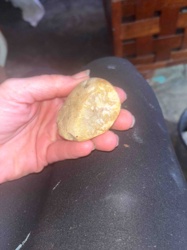
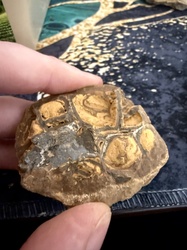
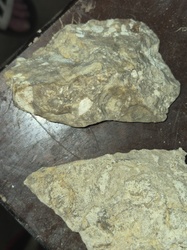
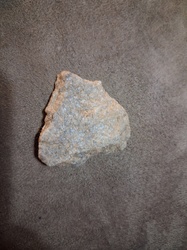
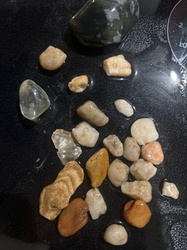
This lot consists of approximately seven raw, unpolished mineral specimens held in a hand. The collection primarily features Lake Superior agates and iron-rich jasper stones in various natural shapes and sizes, ranging from roughly 1 cm to 3 cm in diameter. The stones exhibit a rich color palette of ochre, russet brown, tan, and translucent grey, indicating a high concentration of iron oxide. The specimens appear wet, which enhances their natural saturation and reveals underlying banding and crystalline structures. Several stones display classic agate characteristics, such as subtle concentric banding and translucent chalcedony pockets, while others show the opaque, earthy texture of jasper. Notable features include 'eye' patterns on the darker specimens and pitted surface textures typical of river or glacial transport. The condition is raw and natural, showing organic weathering, minor fractures, and a matte surface patina where not obscured by moisture. There are no man-made markings or signatures, as these are geological specimens. These stones represent ancient volcanic and sedimentary processes dating back over a billion years, commonly found in the Great Lakes region of North America. The quality is indicative of 'field-found' rough material, suitable for lapidary work, tumbling, or as cabinet specimens for a mineral collector.
AI Appraisal Report

·AI can make mistakes·Verify before acting
I have conducted a visual inspection of this lot consisting of approximately seven raw mineral specimens, identified as Lake Superior agates and iron-rich jasper. The specimens display characteristic limonite and hematite staining, with visible concentric banding and translucent chalcedony consistent with the Keweenawan volcanic era. The physical condition is 'rough,' showing natural pitting and fractures typical of glacial transport. The market for Lake Superior agates is highly stratified. High-grade specimens with 'candy-striper' banding or 'eye' patterns exceeding 2 ounces command significant premiums. These specific specimens, however, are representative of 'field-run' material found by rockhounds. They are small in size (1–3 cm) and lack the rare coloration or 'peeler' characteristics that drive high collector demand. Comparables for similar unpolished, small-scale rough lots typically sell in bulk bags for nominal amounts. Factors impacting value include the raw state and small mass; while the wetness enhances their visual appeal, it also obscures the actual luster of the dry surface. Authenticity appears consistent with regional geological markers, but images cannot verify chemical mineral composition or detect subtle surface enhancements. For a definitive valuation, I would require an in-person examination to assess the dry texture, weight each specimen individually, and use high-magnification microscopy to confirm the absence of artificial dyes. Provenance indicating the specific shoreline or pit where they were found would add minor collectors' interest but would not significantly alter the base market value for rough material of this size.

Get your items appraised

Instant estimates of your treasures with AI-powered appraisals

Browse More Appraisals