Polymetallic Raw Ore Specimen
Rocks, Minerals & Fossils

Polymetallic Raw Ore Specimen

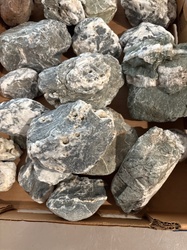
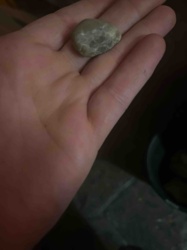
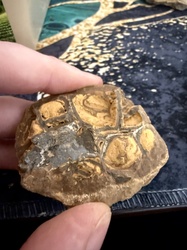
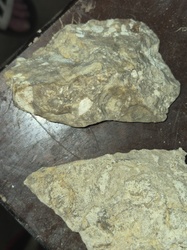
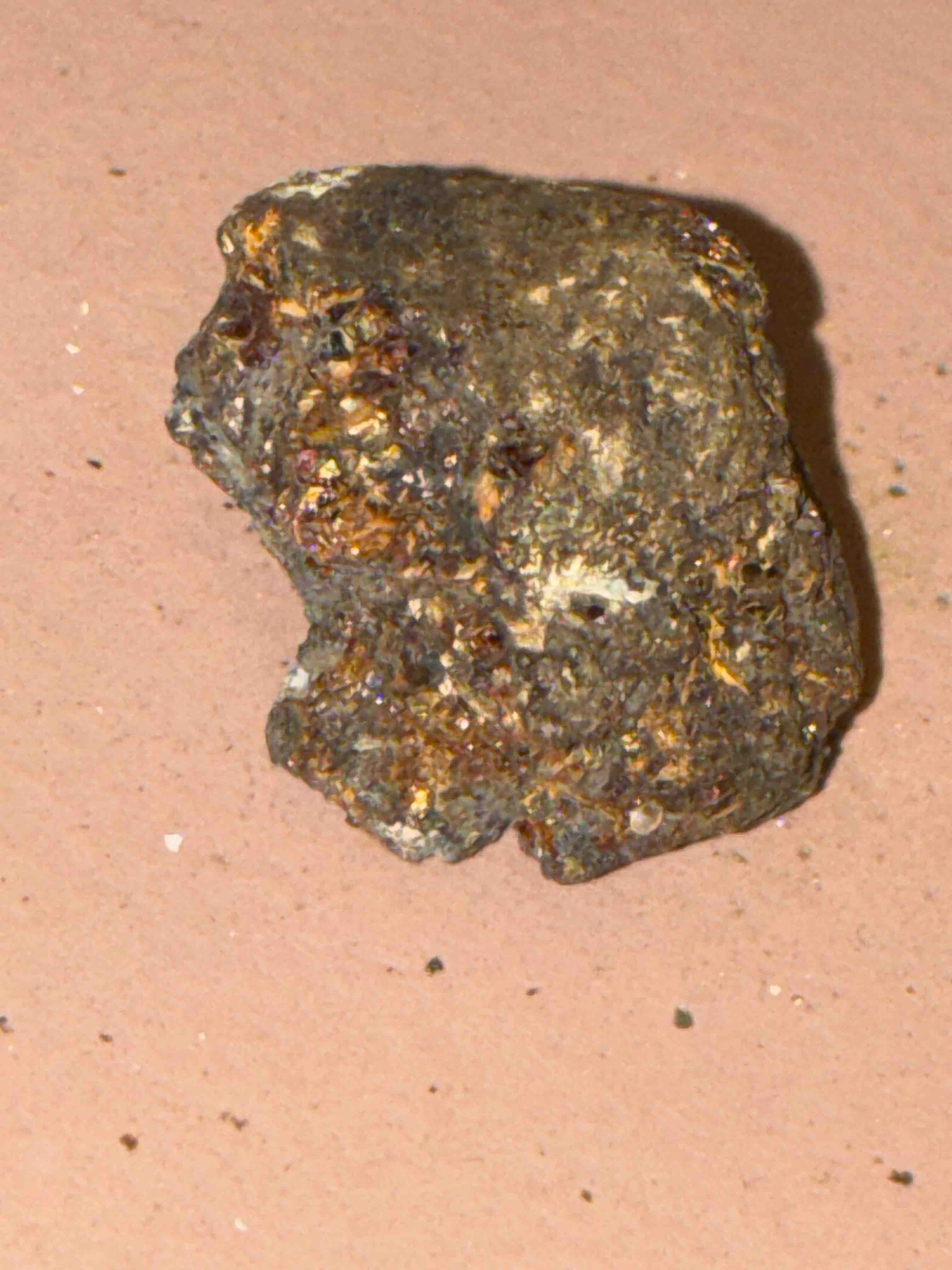
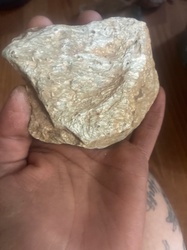
This item is a raw mineral specimen, likely a polymetallic ore containing varying concentrations of sulfide minerals. The item exhibits an irregular, jagged, and rugose habit, typical of rock samples recovered from a mine or geological outcrop. Its primary body color is a drab charcoal-to-brownish gray, which is heavily interspersed with metallic inclusions. These inclusions display diverse lusters, ranging from dull earthy patches to bright, sub-metallic brassy and bronze-toned highlights, suggesting the possible presence of minerals like pyrite, chalcopyrite, or bornite. There are also visible dark burgundy or deep reddish-brown translucent areas that may indicate garnets or sphalerite crystals embedded within the matrix. The texture is extremely coarse and granular, with visible crystalline faces reflecting light across the surface. The condition of the specimen is natural and unpolished; it appears to be a field-collected fragment with no artificial enhancements or coatings. It shows typical 'as-found' weathering, with some fine particulate dust and small fragments chipped away from the main mass, creating minor debris visible around the base. The lack of a fuse crust or regmaglypts largely excludes the possibility of it being a meteorite, pointing instead to a terrestrial mineral origin from a hydrothermal or metamorphic environment. Its value as a specimen lies in its crystalline diversity and the density of its metallic mineralization.
Estimated Value

$45.00 - $75.00

Basic Information

Category

Rocks, Minerals & Fossils

Appraised On

April 11, 2026

Estimated Value

$45.00 - $75.00

Item Description

This item is a raw mineral specimen, likely a polymetallic ore containing varying concentrations of sulfide minerals. The item exhibits an irregular, jagged, and rugose habit, typical of rock samples recovered from a mine or geological outcrop. Its primary body color is a drab charcoal-to-brownish gray, which is heavily interspersed with metallic inclusions. These inclusions display diverse lusters, ranging from dull earthy patches to bright, sub-metallic brassy and bronze-toned highlights, suggesting the possible presence of minerals like pyrite, chalcopyrite, or bornite. There are also visible dark burgundy or deep reddish-brown translucent areas that may indicate garnets or sphalerite crystals embedded within the matrix. The texture is extremely coarse and granular, with visible crystalline faces reflecting light across the surface. The condition of the specimen is natural and unpolished; it appears to be a field-collected fragment with no artificial enhancements or coatings. It shows typical 'as-found' weathering, with some fine particulate dust and small fragments chipped away from the main mass, creating minor debris visible around the base. The lack of a fuse crust or regmaglypts largely excludes the possibility of it being a meteorite, pointing instead to a terrestrial mineral origin from a hydrothermal or metamorphic environment. Its value as a specimen lies in its crystalline diversity and the density of its metallic mineralization.
Get Your Items Appraised

Instant estimates of your treasures with AI-powered instant appraisals

Browse More Appraisals