Cryptocrystalline Silicate Nodule (Likely Chert or Agate)
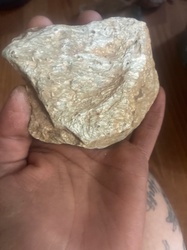
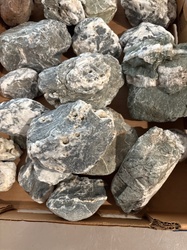
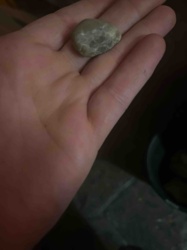
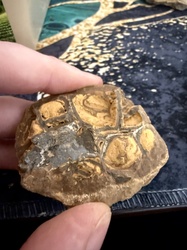
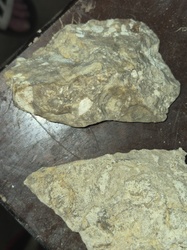
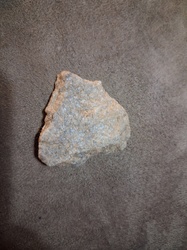
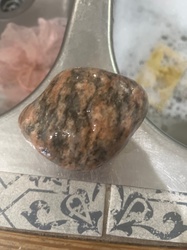
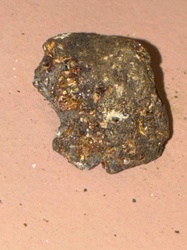
This specimen is a large, hand-sized mineral nodule composed of cryptocrystalline silicate, typically classified as chert, flint, or a common variety of agate. The item measures approximately 4 to 5 inches in diameter and exhibits a heavy, dense mass. The color palette is a heterogeneous mix of muted sage green, tan, and brownish-orange iron staining on the exterior cortex. The surface texture is waxy and smooth in some areas, indicative of a high silica content, while other areas show conchoidal fracturing where the stone has been chipped or broken, revealing a glassy interior structure. Notable features include deep crevices and irregular weathering patterns that suggest it spent a significant amount of time in a fluvial or sedimentary environment. There are no man-made markings, signatures, or manufacturing details, as this is a natural geologic formation. The condition is raw and unpolished, with visible surface dirt, natural pits, and impacts consistent with long-term environmental exposure. From an appraisal perspective, the quality of the specimen is determined by its density and the potential for internal banding or color clarity if it were to be cut and cabbed, though currently, it remains a natural rough specimen of geological interest.
AI-Generated Appraisal Disclaimer
Estimated Value
$15.00 - $35.00
Basic Information
Category
Rocks, Minerals & Fossils
Appraised On
December 31, 2025
Estimated Value
$15.00 - $35.00
Item Description
This specimen is a large, hand-sized mineral nodule composed of cryptocrystalline silicate, typically classified as chert, flint, or a common variety of agate. The item measures approximately 4 to 5 inches in diameter and exhibits a heavy, dense mass. The color palette is a heterogeneous mix of muted sage green, tan, and brownish-orange iron staining on the exterior cortex. The surface texture is waxy and smooth in some areas, indicative of a high silica content, while other areas show conchoidal fracturing where the stone has been chipped or broken, revealing a glassy interior structure. Notable features include deep crevices and irregular weathering patterns that suggest it spent a significant amount of time in a fluvial or sedimentary environment. There are no man-made markings, signatures, or manufacturing details, as this is a natural geologic formation. The condition is raw and unpolished, with visible surface dirt, natural pits, and impacts consistent with long-term environmental exposure. From an appraisal perspective, the quality of the specimen is determined by its density and the potential for internal banding or color clarity if it were to be cut and cabbed, though currently, it remains a natural rough specimen of geological interest.
Related Tags
Explore similar items and categories:
Get Your Items Appraised
Instant estimates of your treasures with AI-powered instant appraisals