AI Appraisal Estimate

AI-generated estimates · not official valuations

From the user

What was submitted

Photo and notes provided by the user — not generated by AI

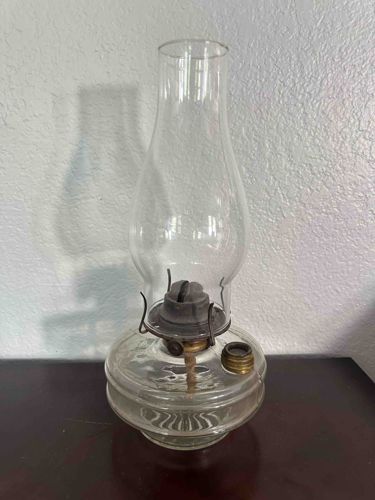
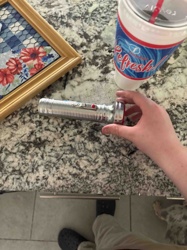
Submitted item photo
Submitted photo · May 27, 2026

User's notes

No additional notes provided.

AI analysis below

AI appraisal

AI analysis & estimate

AI-Generated · Verify before acting

Everything below is generated by AI for informational purposes only. AI can make mistakes — the AI may misidentify items or misattribute them (artist, maker, brand, designer, origin, era). This is not an official valuation and should not be used for insurance, sale, tax, estate, legal, or lending purposes — or any decision requiring a certified appraisal. It is not an authoritative claim about any person, brand, or rights holder — do not share or rely on it as a factual statement about a third party. Always consult qualified professionals before making financial decisions.

Read the full disclaimer

AI Identification

·Not independently authenticated·Verify before acting

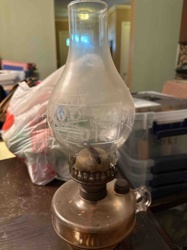
Clear Glass Kerosene Lantern

Lighting Device

AI Estimated Value

·Not an official valuation·Verify before acting

$40 - $70

As of May 27, 2026

AI Item Analysis

·AI can make mistakes·Verify before acting
This item is a clear glass kerosene lantern, commonly known as an oil lamp, designed for illumination before widespread electrification. The lamp features a classic design with a clear glass font (the base that holds the fuel) and a clear glass chimney. The font is largely unadorned, having a smooth, rounded body with a slightly fluted or ribbed pattern on the lower section and near the base, adding a subtle decorative element while likely also providing grip. The glass is transparent, allowing for visibility of the fuel level and enhancing light output. The burner assembly, positioned at the top of the font, appears to be made of metal, likely brass or a brass-plated material given its golden hue, which has developed a visible patina, indicating age and use. It features a wick adjuster knob and a metal cage-like structure that holds the glass chimney in place. The chimney itself is a standard 'pear' or 'tulip' shape, flaring out at its base to fit over the burner and narrowing at the top. The chimney is entirely clear and shows no apparent cracks or significant chips, though minor surface scratches or dust might be present. A separate, threaded brass cap is also visible on the font, consistent with an opening for refilling the kerosene. The overall condition appears good for its age, with no major visible damage to the glass components. The metal parts show expected wear and patination. This type of lamp is typically from the late 19th to early 20th century, reflecting a utilitarian yet well-crafted approach to home lighting.
AI Appraisal Report

·AI can make mistakes·Verify before acting
Based on my visual examination of the provided image, this clear glass kerosene lantern appears to be in good condition for its age. The glass font, with its subtle fluted pattern, and the 'pear' shaped chimney are clear and free from apparent major cracks or chips, which is a significant factor in its value. The metal burner assembly shows expected patination consistent with a late 19th to early 20th-century piece, suggesting authenticity. The presence of the original wick adjuster knob and threaded cap further supports its completeness. Market conditions for common clear glass kerosene lamps are generally steady but not exceptionally high. While there's a consistent demand from collectors of antique lighting and those seeking functional or decorative vintage items, this particular piece lacks unique identifying marks, intricate designs, or rarity that would command a premium. Many similar utilitarian lamps were produced, making individual examples quite common. Factors impacting value positively include its good overall preservation and completeness. Negative factors are its common design and lack of maker's marks, which would otherwise enhance its collectibility. To fully authenticate its exact age and provenance, a hands-on examination would be crucial to check for mold lines indicative of manufacturing techniques, assess glass quality for imperfections typical of the period, and look for any hidden factory marks. Scientific testing, such as elemental analysis of the glass or metal, would not typically be performed for an item of this value range unless there was a specific dispute over its origin or age. Without physical inspection, I cannot definitively rule out modern reproductions made in a vintage style, though the patina on the metal strongly suggests age.

Get your items appraised

Instant estimates of your treasures with AI-powered appraisals

Browse More Appraisals