AI identification & appraisal estimate

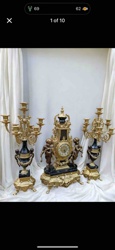
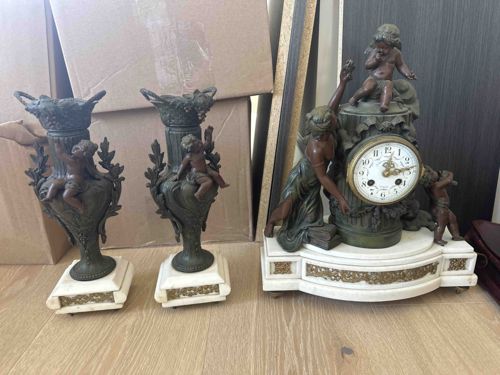
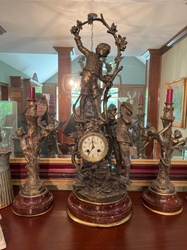
Late 19th Century French Bronze and Marble Mantel Clock Garniture

Submitted photo of Late 19th Century French Bronze and Marble Mantel Clock Garniture
Photo submitted by the user — not generated by AI

AI Estimated Value

Not an official valuation

$1,800-2,800

AI estimate as of November 21, 2025 · verify with a professional before acting

AI-Generated · Verify before acting

Everything on this page is generated by AI for informational purposes only. AI can make mistakes — the AI may misidentify items or misattribute them (artist, maker, brand, designer, origin, era). This is not an official valuation and should not be used for insurance, sale, tax, estate, legal, or lending purposes — or any decision requiring a certified appraisal. It is not an authoritative claim about any person, brand, or rights holder — do not share or rely on it as a factual statement about a third party. Always consult qualified professionals before making financial decisions.

Read the full disclaimer

AI Item Analysis

This is a three-piece mantel clock garniture, likely dating from the late 19th century, in the Neoclassical or Empire Revival style. The set comprises a central mantel clock flanked by a pair of decorative urns. All three pieces feature dark patinated bronze or spelter figures and ornamentation set upon white marble bases with gilt bronze or brass accents. The clock itself is an elaborate piece, depicting classical figures surrounding a drum-shaped clock mechanism. A female figure in draped attire is shown on the left, reaching towards the clock face, while a small cherubic figure kneels on the far right, seemingly engaged with some object. Another larger cherub is seated atop the clock drum. The clock face is white with black Roman numerals and delicate gold-colored hands, framed by a brass bezel. The clock rests upon a large, ovoid white marble base, which displays a decorative gilt bronze frieze with a repeating pattern. The two flanking urns are inverted-trumpet or vase-shaped, also made of patinated metal, with applied cherubs and leafy ornamentation. Each urn rests on a smaller, rectangular white marble base, similarly adorned with a gilt bronze or brass decorative band. The overall condition appears to be good for its age, with visible patination and some possible areas of wear or discoloration on the metal surfaces, consistent with antique bronzes. The marble bases show some minor signs of age, such as slight yellowing or small imperfections, but no obvious chips or cracks are discernable from the provided image. The craftsmanship is indicative of a quality ornamental piece from its period, with detailed casting on the figures and decorative elements.
AI Appraisal Report

Based on my visual examination of the provided image, this Late 19th Century French Bronze and Marble Mantel Clock Garniture appears to be an authentic period piece, likely dating from the Neoclassical or Empire Revival era. The craftsmanship, detailed casting of the classical and cherubic figures, and quality of the white marble bases with gilt bronze accents are consistent with pieces from this period. The dark patination on the bronze or spelter figures and urns, along with some visible wear consistent with age, supports its authenticity as an antique rather than a modern reproduction. The marble shows minor signs of age, but no obvious significant damage. Market conditions for such garniture sets are stable. High-quality decorative arts from the late 19th century, particularly French mantel clocks, continue to attract collectors. Comparables on the market for similar three-piece sets, considering the intricate figural work and condition, generally range from $1,500 to $3,500. Demand remains fairly consistent for well-preserved examples. Factors significantly impacting value include the artistic merit of the figural composition, the intact nature of the marble, and the overall condition of the bronze patination and gilt accents. The presence of a complete three-piece set always enhances value over individual components. It is important to note the limitations of image-based appraisal. While I can assess visual authenticity and condition, a physical examination would be necessary to confirm the exact metal composition (bronze vs. spelter, which impacts value), the operational status of the clock movement, and to detect any restoration, repairs, or hidden damages not visible in the image. Verifying provenance documentation would further solidify its history and authenticity. In-person inspection would allow for a definitive confirmation of the absence of significant cracks or repairs to the marble and a thorough assessment of the clock mechanism.

Keep exploring

More decorative arts/timepiece and garniture set appraisals

Get your items appraised

Instant AI-powered appraisal estimates from a photo

Browse More Appraisals