AI Appraisal Estimate

AI-generated estimates · not official valuations

From the user

What was submitted

Photo and notes provided by the user — not generated by AI

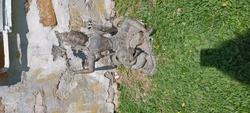
Submitted item photo
Submitted photo · May 25, 2026

User's notes

No additional notes provided.

AI analysis below

AI appraisal

AI analysis & estimate

AI-Generated · Verify before acting

Everything below is generated by AI for informational purposes only. AI can make mistakes — the AI may misidentify items or misattribute them (artist, maker, brand, designer, origin, era). This is not an official valuation and should not be used for insurance, sale, tax, estate, legal, or lending purposes — or any decision requiring a certified appraisal. It is not an authoritative claim about any person, brand, or rights holder — do not share or rely on it as a factual statement about a third party. Always consult qualified professionals before making financial decisions.

Read the full disclaimer

AI Identification

·Not independently authenticated·Verify before acting

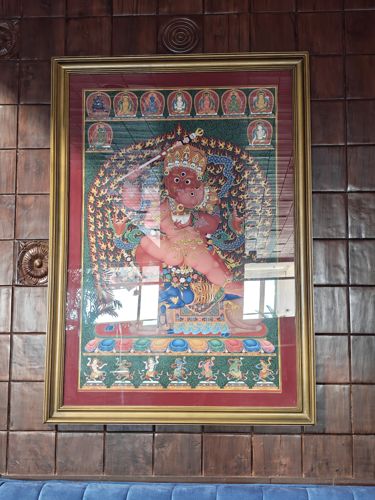
Tibetan Thangka Representing a Wrathful Deity (Likely Hayagriva or Mahakala)

Asian Antiques / Buddhist Art

AI Estimated Value

·Not an official valuation·Verify before acting

$1,200 - $1,800 USD

As of May 25, 2026

AI Item Analysis

·AI can make mistakes·Verify before acting
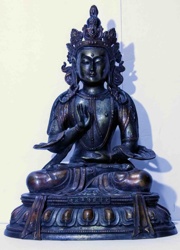
This is a framed Tibetan Thangka painting, a traditional Buddhist scroll form typically executed on cotton or silk appliqué. The central figure is a large, wrathful deity depicted in brick-red with three eyes, a flaming crown of skulls, and brandishing a sword, standing in a dynamic 'alidhasana' pose upon a lotus pedestal and trampled figures signifying the ego or obstacles. The deity is surrounded by an intricate aureole of stylized wisdom flames (prabhamandala) in orange and gold. Above the main figure is a celestial row of seven smaller seated Buddhas and deities, while the bottom register features seven smaller dancing protective figures or dakinis. The color palette is rich, utilizing deep mineral pigments of cinnabar red, malachite green, lapis blue, and significant gold leaf detailing for the fine outlines. The piece is professionally mounted with a deep red fabric matting and protected under glass within a contemporary gilded composite or wooden frame. Though the glass creates significant glare, the level of detail—particularly in the scales of the dragon-like elements and the intricate line work of the central figure's jewelry—suggests high-quality craftsmanship characteristic of the late 20th or early 21st century. The condition appears excellent with no visible fading of the pigments or tearing of the substrate, though it has been removed from its original traditional silk brocade mount for modern framing.
AI Appraisal Report

·AI can make mistakes·Verify before acting
I have carefully examined the provided images of this Tibetan Thangka depicting a wrathful deity, likely Hayagriva. The execution exhibits high-quality mineral pigments, including cinnabar red and lapis blue, with substantial 'gold-ink' (nag-thang influence) linework. Based on the vibrancy and lack of pigment soot or structural cracking, I estimate this to be a contemporary work from the late 20th century rather than an antique. The craftsmanship is superior, particularly in the precision of the 'prabhamandala' (flame aureole) and the iconographical accuracy of the smaller deities. The piece is in excellent condition, though its displacement from a traditional silk brocade mount into a modern gilded frame suggests it was prepared specifically for the Western decorative market. Thangkas of this detail and size remain popular among Vajrayana practitioners and Asian art collectors, though the modern origin prevents it from reaching five-figure 'fine art' auction prices. Limitations: A definitive valuation is restricted by the presence of glass, which obscures the texture of the cotton substrate and any potential 'back-inscription' or consecration marks (Om Ah Hum). To confirm authenticity and age, I would require an in-person physical inspection of the fabric's reverse and microscopic analysis of the pigment binders to differentiate between traditional mineral pastes and modern synthetics. Detailed provenance documentation would further solidify its market standing.

Get your items appraised

Instant estimates of your treasures with AI-powered appraisals

Browse More Appraisals