AI Appraisal Estimate

AI-generated estimates · not official valuations

From the user

What was submitted

Photo and notes provided by the user — not generated by AI

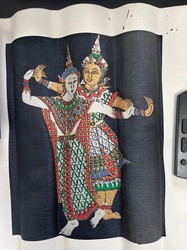
Submitted item photo
Submitted photo · June 21, 2026

User's notes

No additional notes provided.

AI analysis below

AI appraisal

AI analysis & estimate

AI-Generated · Verify before acting

Everything below is generated by AI for informational purposes only. AI can make mistakes — the AI may misidentify items or misattribute them (artist, maker, brand, designer, origin, era). This is not an official valuation and should not be used for insurance, sale, tax, estate, legal, or lending purposes — or any decision requiring a certified appraisal. It is not an authoritative claim about any person, brand, or rights holder — do not share or rely on it as a factual statement about a third party. Always consult qualified professionals before making financial decisions.

Read the full disclaimer

AI Identification

·Not independently authenticated·Verify before acting

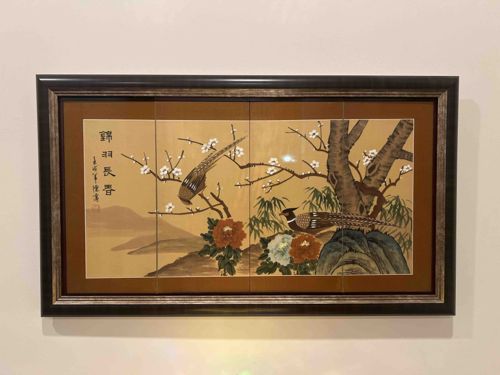
Framed Four-Panel Chinese Silk Embroidery with Pheasants and Peonies

Asian Art & Textiles

AI Estimated Value

·Not an official valuation·Verify before acting

$450 - $700

As of June 21, 2026

AI Item Analysis

·AI can make mistakes·Verify before acting
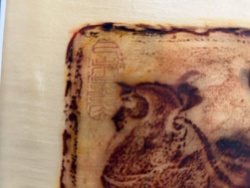
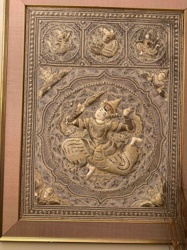
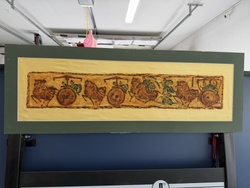
This decorative piece consists of four vertical panels of silk embroidery, joined horizontally to create a continuous panoramic scene, housed within a modern dark wood frame. The central composition features two long-tailed ring-necked pheasants within a classic garden landscape. One pheasant is perched high on a blossoming plum branch, while the second stands near a rock formation amidst blooming red and white peonies. The needles use a variety of satin and long-and-short stitches to create texture and depth, particularly visible in the feathered plumage and the delicate white flower petals. Black Chinese calligraphy and a red artist seal are visible on the far left panel, which typically denotes the title of the work and the studio signature. The color palette is earthy and traditional, utilizing muted gold, brown, and sage green tones. The embroidery exhibits high-quality craftsmanship, with meticulous detail in the bamboo leaves and tree bark. The condition appears stable, with the artwork protected by glass. There is some minor reflection on the glass surface and slight unevenness in the silk tension across the four panels, which is common for multi-panel mounted textile works. The framing is modern, likely 20th century, suggesting it was re-mounted for contemporary display.
AI Appraisal Report

·AI can make mistakes·Verify before acting
I have carefully examined the visual evidence of this four-panel silk embroidery depicting pheasants and peonies. The work demonstrates skilled execution of traditional Suzhou-style embroidery techniques, notably the use of satin stitches to create the iridescent quality of the pheasant plumage and the delicate 'layering' of the peony petals. Based on the stylistic execution and the modern framing, I estimate this piece dates to the mid-to-late 20th century. The inclusion of the calligraphy and seal suggests a studio production intended for the decorative export or high-end souvenir market. The condition appears stable for its age, though slight tension ripples across the four panels indicate the silk is reacting to humidity or the pressure of the mount. Such ripples are common in larger textile works but can affect long-term preservation if not addressed. The market for mid-century Chinese silk textiles remains consistent, particularly for larger, multi-panel compositions that offer significant decorative impact. Similar contemporary works typically sell within the $300 to $900 range depending on the intricacy of the needlework. Limitations: This appraisal is based solely on digital images. Without a physical inspection, I cannot verify the exact age of the silk, the stability of the dyes (checked for light-fastness), or the definitive hand-stitched versus machine-assisted nature of the finer details. To finalize authenticity, I would require an out-of-frame inspection to view the reverse of the embroidery (the 'wrong side'), which reveals the specific knots and thread starts that confirm hand-mastery. Provenance documentation or a purchase receipt from a known studio would further refine this valuation.

Get your items appraised

Instant estimates of your treasures with AI-powered appraisals

Browse More Appraisals