AI identification & appraisal estimate

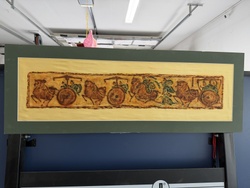
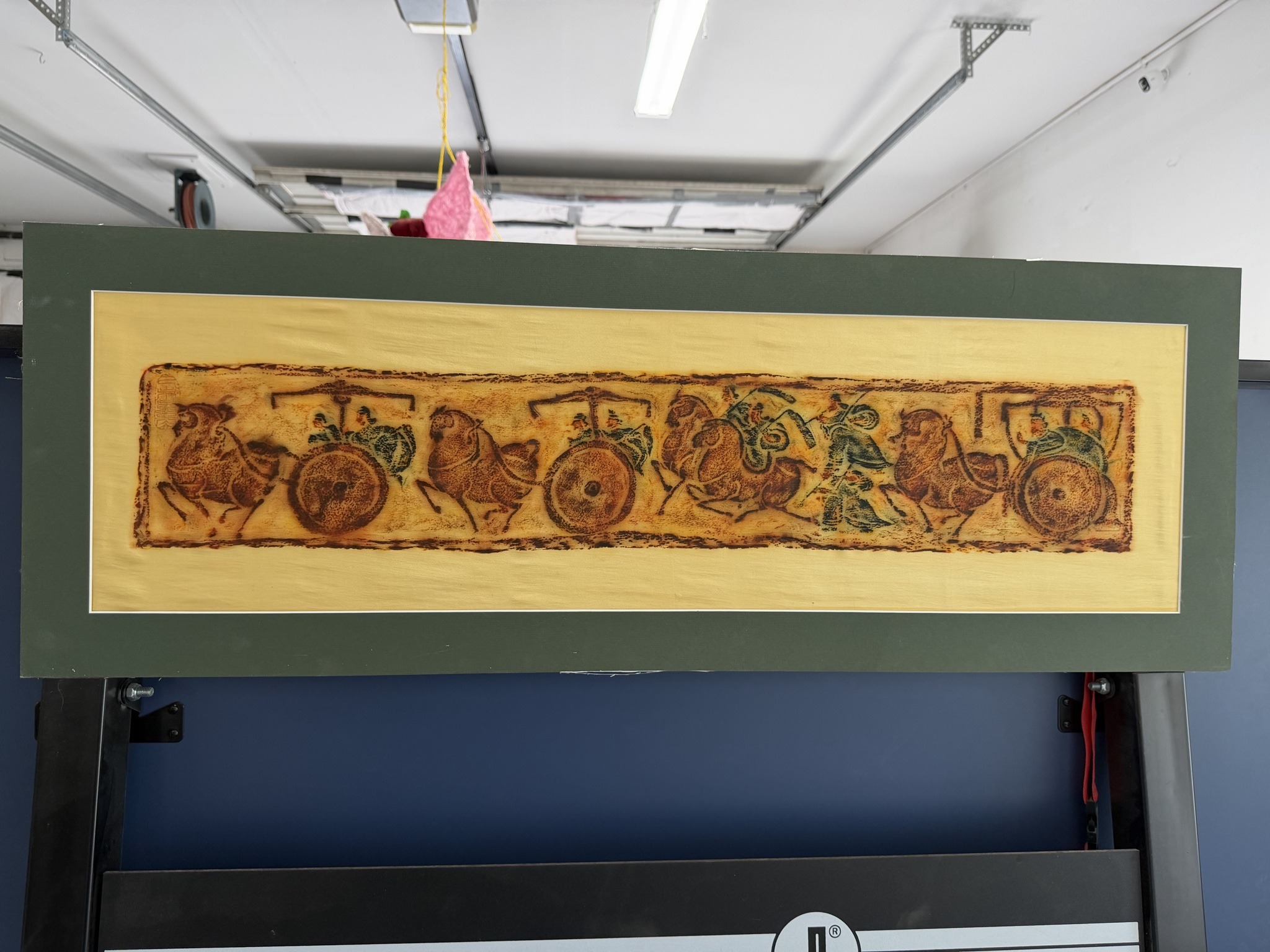
Silk rubbing depicting a chariot procession

Submitted photo of Silk rubbing depicting a chariot procession
Photo submitted by the user — not generated by AI

User's notes

Han Dynasty silk rubbing. Bought in Taipei museum shop 1980

These notes were written by the person who submitted this item. Appraiser.AI has not verified them, and the AI's identification and estimate may rely on them.

AI Estimated Value

Not an official valuation

$50 - $150

AI estimate as of September 17, 2026 · verify with a professional before acting

AI-Generated · Verify before acting

Everything on this page is generated by AI for informational purposes only. AI can make mistakes — the AI may misidentify items or misattribute them (artist, maker, brand, designer, origin, era). This is not an official valuation and should not be used for insurance, sale, tax, estate, legal, or lending purposes — or any decision requiring a certified appraisal. It is not an authoritative claim about any person, brand, or rights holder — do not share or rely on it as a factual statement about a third party. Always consult qualified professionals before making financial decisions.

This analysis also relies on unverified notes provided by the user, which may be incomplete or inaccurate and could affect the result.

Read the full disclaimer

AI Item Analysis

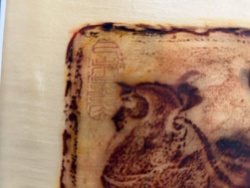
This framed horizontal textile piece appears to be a rubbing applied to a pale yellow silk backing and presented within a dark green matte border. The central imagery features a repeating or sequential pictorial frieze showing traditional motifs of horses, chariots, and figures in historical attire rendered in reddish-brown tones with accents of green. The overall visual style is consistent with ancient Chinese stone relief carvings, such as those found in Han dynasty tomb art or pictorial bricks depicting processions. There are visible tonal variations and textured impressions across the imagery, consistent with traditional rubbing techniques where ink is applied over a textured surface. The piece is unmounted to glass in the visible photograph, showing standard framing margins and mounting borders. The owner supplies the unverified context that this is a Han Dynasty silk rubbing purchased in a Taipei museum shop in 1980, though this provenance remains completely unverified by physical inspection or documentation. The identification rests purely on the visual iconography of the chariot procession and the textural appearance of a rubbing, without any verifiable maker's marks, date stamps, or certificates of authenticity visible in the image. The work displays good clarity of the pressed figures and careful framing, suggesting a decorative souvenir or educational reproduction typical of museum shop offerings from the late 20th century.
AI Appraisal Report

Based on the provided image, I have examined this framed horizontal textile piece. The owner identifies this as a Han Dynasty silk rubbing purchased in a Taipei museum shop in 1980. The visible imagery features a pictorial frieze of horses, chariots, and figures, a motif heavily consistent with ancient Chinese stone relief carvings and tomb art from the Han dynasty. The textural appearance suggests a rubbing technique applied to a pale yellow backing. Because I can only assess this via photograph, I cannot physically examine the textile fibers, ink composition, or mounting materials to assess age or production methods. Consequently, I must treat the owner's attribution as a working hypothesis. Assuming the piece is indeed a late 20th-century museum shop reproduction, as the provenance suggests, it falls into the category of a decorative souvenir. The secondary market for such modern, decorative museum reproductions is modest. Comparable vintage museum shop rubbings of this type typically sell in the $50 to $150 range, largely dependent on the quality of the framing and decorative appeal. If an in-person examination by a specialist in Asian antiquities were to suggest this is an antique rubbing rather than a late 20th-century reproduction, the value would likely be higher, but based on the available visual evidence and the stated origin, I am valuing it as a decorative 1980s reproduction.

Keep exploring

More asian art appraisals

Get your items appraised

Instant AI-powered appraisal estimates from a photo

Browse More Appraisals