AI Appraisal Estimate

AI-generated estimates · not official valuations

From the user

What was submitted

Photo and notes provided by the user — not generated by AI

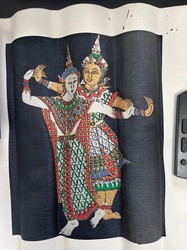
Submitted item photo
Submitted photo · May 26, 2026

User's notes

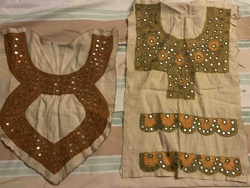
Hand stitches

AI analysis below

AI appraisal

AI analysis & estimate

AI-Generated · Verify before acting

Everything below is generated by AI for informational purposes only. AI can make mistakes — the AI may misidentify items or misattribute them (artist, maker, brand, designer, origin, era). This is not an official valuation and should not be used for insurance, sale, tax, estate, legal, or lending purposes — or any decision requiring a certified appraisal. It is not an authoritative claim about any person, brand, or rights holder — do not share or rely on it as a factual statement about a third party. Always consult qualified professionals before making financial decisions.

Note

This analysis also relies on unverified notes provided by the user, which may be incomplete or inaccurate and could affect the result.

Read the full disclaimer

AI Identification

·Not independently authenticated·Verify before acting

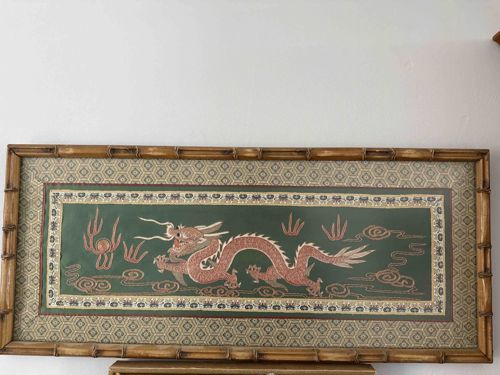
Hand-Embroidered Silk Dragon Panel in Faux-Bamboo Frame

Asian Art & Textiles

AI Estimated Value

·Not an official valuation·Verify before acting

$450.00 - $650.00

As of May 26, 2026

AI Item Analysis

·AI can make mistakes·Verify before acting
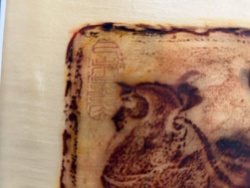
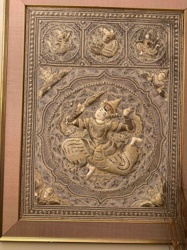
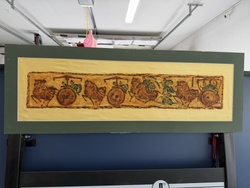
This horizontal rectangular silk panel features a hand-embroidered Imperial-style dragon, rendered in a striking dusty rose or terracotta thread against a deep forest green silk satin ground. The dragon is depicted in a traditional dynamic pose, surrounded by stylized 'ruyi' shaped clouds and flame motifs. The embroidery utilizes fine satin stitching and potentially couched metallic threads for outlining. The central scene is enclosed by a complex decorative border featuring geometric and floral patterns. Based on the provided context of hand stitches and the visual style, this piece likely dates to the mid-20th century, drawing inspiration from Qing Dynasty textile motifs. The artwork is professionally mounted with a patterned silk damask matting in a light sage and cream hexagonal motif. It is housed in an impressive Chinoiserie-style faux-bamboo wooden frame with a golden-brown finish. The construction shows high-quality craftsmanship, with tight embroidery work and careful alignment of the textile within the frame. Overall condition appears excellent with no visible thread pulls, staining, or significant fading to the vibrant silk dyes. The frame shows minor authentic age-related patina but remains structurally sound.
AI Appraisal Report

·AI can make mistakes·Verify before acting
I have carefully examined the high-resolution images of this hand-embroidered silk dragon panel. The piece features a five-clawed Imperial-style dragon, though the mid-20th-century craftsmanship suggests it was created as a high-quality decorative export or 'Chinoiserie Revival' piece rather than a period Qing Dynasty textile. The use of dusty rose silk against a deep forest green ground provides a sophisticated palette that appeals to modern interior designers. The technical execution is excellent; the satin stitching is tight, and the tension across the silk satin ground remains remarkably flat, indicating superior professional mounting. The faux-bamboo frame is a highly desirable Chinoiserie element that adds significant value to the textile itself. While the 'five-clawed' motif historically suggests imperial rank, in mid-century pieces, it serves as a stylistic nod to traditional iconography. Current market conditions for mid-century Asian textiles remain stable, with particular demand for framed pieces ready for immediate display. Comparables sold at specialized auction houses for similar 'boutique' Chinoiserie textiles typically fall within the $400 to $700 range. Limitations: This appraisal is based on photographic evidence. A physical inspection is required to definitively distinguish between high-grade silk and synthetic blends common in the mid-to-late 20th century, and to examine the reverse side of the embroidery for hand-knotting techniques versus machine assistance. To fully authenticate the age and origin, provenance documentation or a structural analysis of the wood frame joinery would be necessary.

Get your items appraised

Instant estimates of your treasures with AI-powered appraisals

Browse More Appraisals