AI identification & appraisal estimate

Ancient Roman-Style Denarius Coin

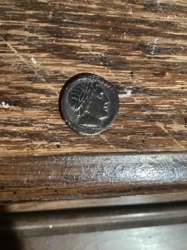
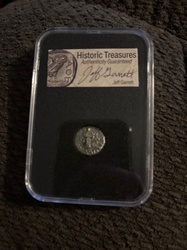
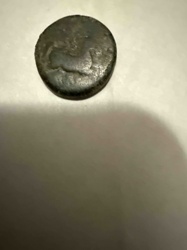
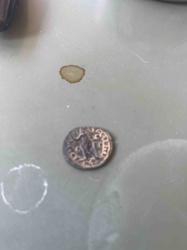
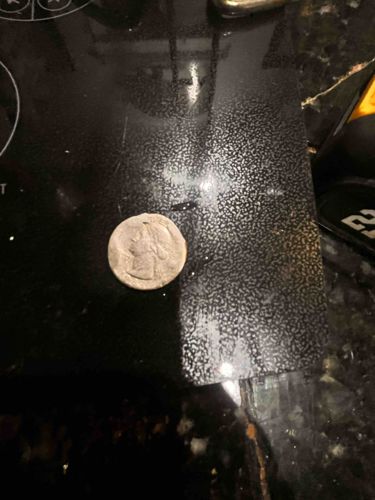
Submitted photo of Ancient Roman-Style Denarius Coin
Photo submitted by the user — not generated by AI

AI Estimated Value

Not an official valuation

$25 - $75

AI estimate as of February 25, 2026 · verify with a professional before acting

AI-Generated · Verify before acting

Everything on this page is generated by AI for informational purposes only. AI can make mistakes — the AI may misidentify items or misattribute them (artist, maker, brand, designer, origin, era). This is not an official valuation and should not be used for insurance, sale, tax, estate, legal, or lending purposes — or any decision requiring a certified appraisal. It is not an authoritative claim about any person, brand, or rights holder — do not share or rely on it as a factual statement about a third party. Always consult qualified professionals before making financial decisions.

Read the full disclaimer

AI Item Analysis

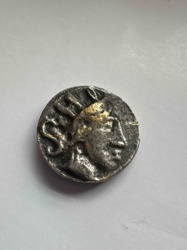
This item is a small, circular coin featuring a profile bust of a figure, characteristic of ancient Roman or Greek coinage styles. The coin appears to be made of a silver-colored metal, likely a base metal alloy or debased silver. It exhibits an irregular, slightly elliptical shape with uneven edges, which is typical of hand-struck planchets from antiquity. The obverse side displays a left-facing bust with what appears to be a laurel wreath or textured hair, though the surface is heavily weathered, obscuring finer details like inscriptions or specific facial features. The overall color is a dull grey with visible oxidation and pitting across the entire surface, suggesting significant environmental exposure and age-related wear. There are no clearly legible maker's marks or dates in this view, making precise identification difficult. The physical condition shows heavy abrasion and a lack of crisp relief, which could indicate it is a genuine ancient relic that has suffered from erosion or a more modern cast replica designed to look aged. The craftsmanship shows a high-relief figure typical of classical numismatics. It likely dates stylistically to the Roman Imperial period if authentic, or is a souvenir reproduction based on that aesthetic.

AI Appraisal Report

Upon visual examination of this silver-colored specimen, it exhibits characteristics common to Roman Imperial coinage, likely of the denarius denomination. The irregular planchet and high relief on the obverse suggest a hand-struck origin; however, the heavy pitting, lack of crisp detail, and dull gray oxidation raise questions regarding its metal composition and authenticity. While these surface features could indicate a genuine ancient relic subjected to harsh environmental conditions, they are also frequently seen in modern-cast reproductions designed to mimic an aged patina. Current market demand for heavily weathered or 'low-grade' ancient coins remains stable but affordable, typically attracting beginning collectors or those seeking tactile historical artifacts rather than investment-grade pieces. Comparable coins with similar levels of erosion generally trade in the $25 to $75 range at auction. The value is significantly capped by the illegibility of inscriptions, which precludes a definitive identification of the ruler and prevents a rarity assessment. It is important to note that a definitive authentication cannot be granted based on images alone. A physical inspection is required to determine the coin's precise weight, specific gravity, and edge characteristics to rule out casting seams. Verification of provenance or a professional grading service from a firm such as NGC Ancients would be necessary to establish a higher valuation or confirm its status as a genuine imperial issue.

Keep exploring

More numismatics / ancient coins appraisals

Get your items appraised

Instant AI-powered appraisal estimates from a photo

Browse More Appraisals