Ancient Lydian Electrum Trite (1/3 Stater)
Ancient Numismatics / Rare Coins

Ancient Lydian Electrum Trite (1/3 Stater)

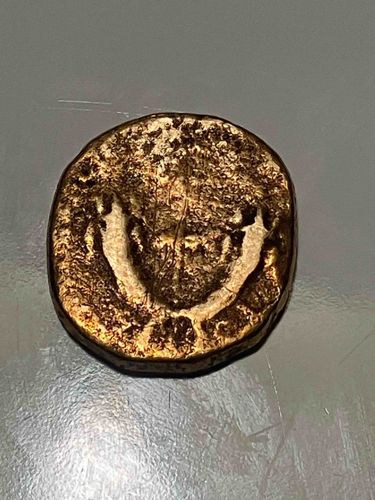
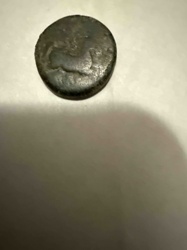
This item appears to be an ancient electrum coin, specifically an archaic 'Trite' or 1/3 stater, historically attributed to the Kingdom of Lydia (modern-day Turkey) during the Mermnad Dynasty, roughly 610-545 BCE. The piece is composed of electrum, a naturally occurring or deliberate alloy of gold and silver, resulting in its characteristic pale yellow to rich gold brassy color. Physically, the coin is a thick, bean-shaped (globular) planchet that was hand-struck using primitive minting techniques. The obverse features a highly stylized, relief depiction of a lion's head, which was the royal emblem of the Lydian kings. The surface displays significant texture, with a heavy, punch-like incuse square visible on the reverse (though the reverse face is mostly hidden in this view). The condition shows significant historical wear and oxidation. There is a deep, vertical scratch or scoring mark through the center of the lion's head, which may be a contemporary 'test cut' made in antiquity to verify the metal's purity, or it could be modern damage. The edges are irregular and show the stress of the striking process. The porous nature of the surface indicates burial patina and mineralization accumulated over centuries. Because these were the world's first true coins, the craftsmanship is archaic and prioritize weight and metal purity over precise aesthetic symmetry. No modern maker's marks are present, which is consistent with early numismatic artifacts of the 7th and 6th centuries BCE.

Estimated Value

$1,200 - $1,800 USD

Basic Information

Category

Ancient Numismatics / Rare Coins

Appraised On

March 18, 2026

Estimated Value

$1,200 - $1,800 USD

Item Description

This item appears to be an ancient electrum coin, specifically an archaic 'Trite' or 1/3 stater, historically attributed to the Kingdom of Lydia (modern-day Turkey) during the Mermnad Dynasty, roughly 610-545 BCE. The piece is composed of electrum, a naturally occurring or deliberate alloy of gold and silver, resulting in its characteristic pale yellow to rich gold brassy color. Physically, the coin is a thick, bean-shaped (globular) planchet that was hand-struck using primitive minting techniques. The obverse features a highly stylized, relief depiction of a lion's head, which was the royal emblem of the Lydian kings. The surface displays significant texture, with a heavy, punch-like incuse square visible on the reverse (though the reverse face is mostly hidden in this view). The condition shows significant historical wear and oxidation. There is a deep, vertical scratch or scoring mark through the center of the lion's head, which may be a contemporary 'test cut' made in antiquity to verify the metal's purity, or it could be modern damage. The edges are irregular and show the stress of the striking process. The porous nature of the surface indicates burial patina and mineralization accumulated over centuries. Because these were the world's first true coins, the craftsmanship is archaic and prioritize weight and metal purity over precise aesthetic symmetry. No modern maker's marks are present, which is consistent with early numismatic artifacts of the 7th and 6th centuries BCE.

Get Your Items Appraised

Instant estimates of your treasures with AI-powered instant appraisals

Browse More Appraisals