AI Appraisal Estimate

AI-generated estimates · not official valuations

From the user

What was submitted

Photo and notes provided by the user — not generated by AI

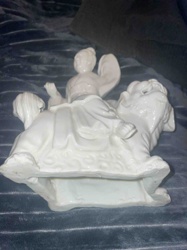
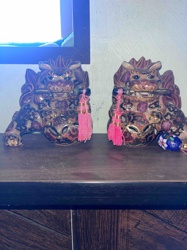
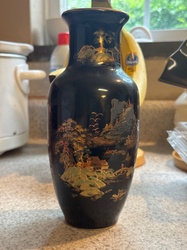
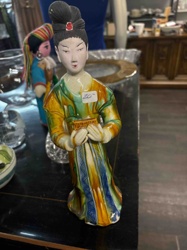
Submitted item photo
Submitted photo · May 28, 2026

User's notes

No additional notes provided.

AI analysis below

AI appraisal

AI analysis & estimate

AI-Generated · Verify before acting

Everything below is generated by AI for informational purposes only. AI can make mistakes — the AI may misidentify items or misattribute them (artist, maker, brand, designer, origin, era). This is not an official valuation and should not be used for insurance, sale, tax, estate, legal, or lending purposes — or any decision requiring a certified appraisal. It is not an authoritative claim about any person, brand, or rights holder — do not share or rely on it as a factual statement about a third party. Always consult qualified professionals before making financial decisions.

Read the full disclaimer

AI Identification

·Not independently authenticated·Verify before acting

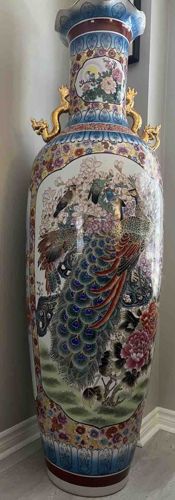
Large Decorative Chinese Satsuma Style Peacock Floor Vase

Asian Decorative Arts / Ceramics

AI Estimated Value

·Not an official valuation·Verify before acting

$400 - $650

As of May 28, 2026

AI Item Analysis

·AI can make mistakes·Verify before acting
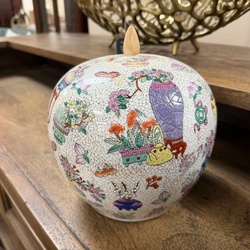
This is a monumental-scale floor vase, likely standing between 36 to 48 inches in height, constructed from glazed ceramic or porcelain. The vase features a flared, scalloped rim and a tapered body decorated in the Chinese Famille Rose or Japanese-inspired Satsuma style. The primary decorative motif is a large, centrally framed scenic panel depicting a male peacock with vibrant blue and green plumage, surrounded by cherry blossoms and pink peonies. The neck of the vase is adorned with two pairs of gilded dragon-shaped handles, which are a signature element of 20th-century decorative export ware. The background is embellished with a dense millefleurs (thousand flowers) pattern on a cream-white ground, accented by blue and red glazed bands at the neck and base. Based on the uniform application of the gilding and the specific style of the transfer-printed and hand-finished enamel glazes, this piece likely dates to the late 20th century (c. 1970s-1990s). The condition appears good from the exterior, showing no major structural cracks or chips, though minor shelf wear on the foot rim and slight rubbing on the gold enamel of the dragon handles are to be expected. The craftsmanship reflects mass-produced decorative art intended for the Western export market, characterized by its imposing size and rich, colorful ornamentation.
AI Appraisal Report

·AI can make mistakes·Verify before acting
I have completed a visual examination of this large-scale Chinese Satsuma-style floor vase. Based on the stylistic cues, the piece is a 20th-century decorative export, likely produced in the 1970s or 1980s. The presence of transfer-printed outlines finished with hand-applied enamels and the uniform, bright gold gilding on the dragon handles identify this as a high-volume decorative piece rather than an early period antique. The condition appears stable with expected light rubbing to the gilded elements and minor shelf wear. The market for large-scale Asian decorative ware remains steady for interior design purposes, where size and visual impact are prioritized over historical rarity. Comparables for pieces of this height (36-48 inches) typically sell at estate auctions and regional galleries within the mid-hundreds range. The 'Satsuma' style applied to a Chinese form is a common export hybridization that appeals to Western tastes but lacks the investment value of authentic 19th-century Japanese Meiji-period Satsuma or early Qing Dynasty porcelain. Limitations of this appraisal include the inability to inspect the underside for maker's marks or to verify the absence of structural repairs under UV light. A physical examination is necessary to confirm the porcelain's density and weight, ensure no internal hairline fractures exist, and verify the material composition of the gold paint. Provenance documentation would be required to establish a more precise manufacturing origin, though it would likely not significantly alter the valuation given the mass-produced nature of the item.

Get your items appraised

Instant estimates of your treasures with AI-powered appraisals

Browse More Appraisals