AI Appraisal Estimate

AI-generated estimates · not official valuations

From the user

What was submitted

Photo and notes provided by the user — not generated by AI

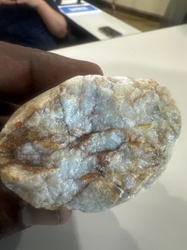
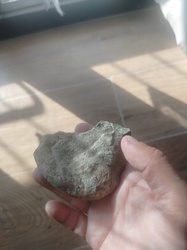
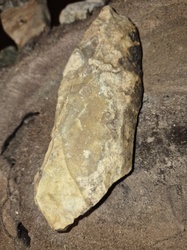
Submitted item photo
Submitted photo · July 21, 2026

User's notes

found

AI analysis below

AI appraisal

AI analysis & estimate

AI-Generated · Verify before acting

Everything below is generated by AI for informational purposes only. AI can make mistakes — the AI may misidentify items or misattribute them (artist, maker, brand, designer, origin, era). This is not an official valuation and should not be used for insurance, sale, tax, estate, legal, or lending purposes — or any decision requiring a certified appraisal. It is not an authoritative claim about any person, brand, or rights holder — do not share or rely on it as a factual statement about a third party. Always consult qualified professionals before making financial decisions.

Note

This analysis also relies on unverified notes provided by the user, which may be incomplete or inaccurate and could affect the result.

Read the full disclaimer

AI Identification

·Not independently authenticated·Verify before acting

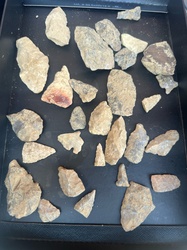
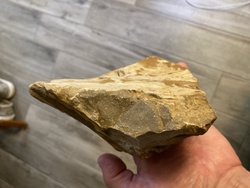
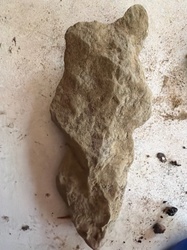
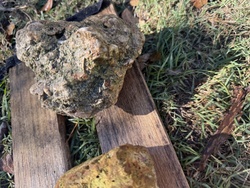
Worked Lithic Specimen consistent with a flaked stone tool

Archaeological & Geological Specimens

AI Estimated Value

·Not an official valuation·Verify before acting

$10 - $35

As of July 21, 2026

AI Item Analysis

·AI can make mistakes·Verify before acting
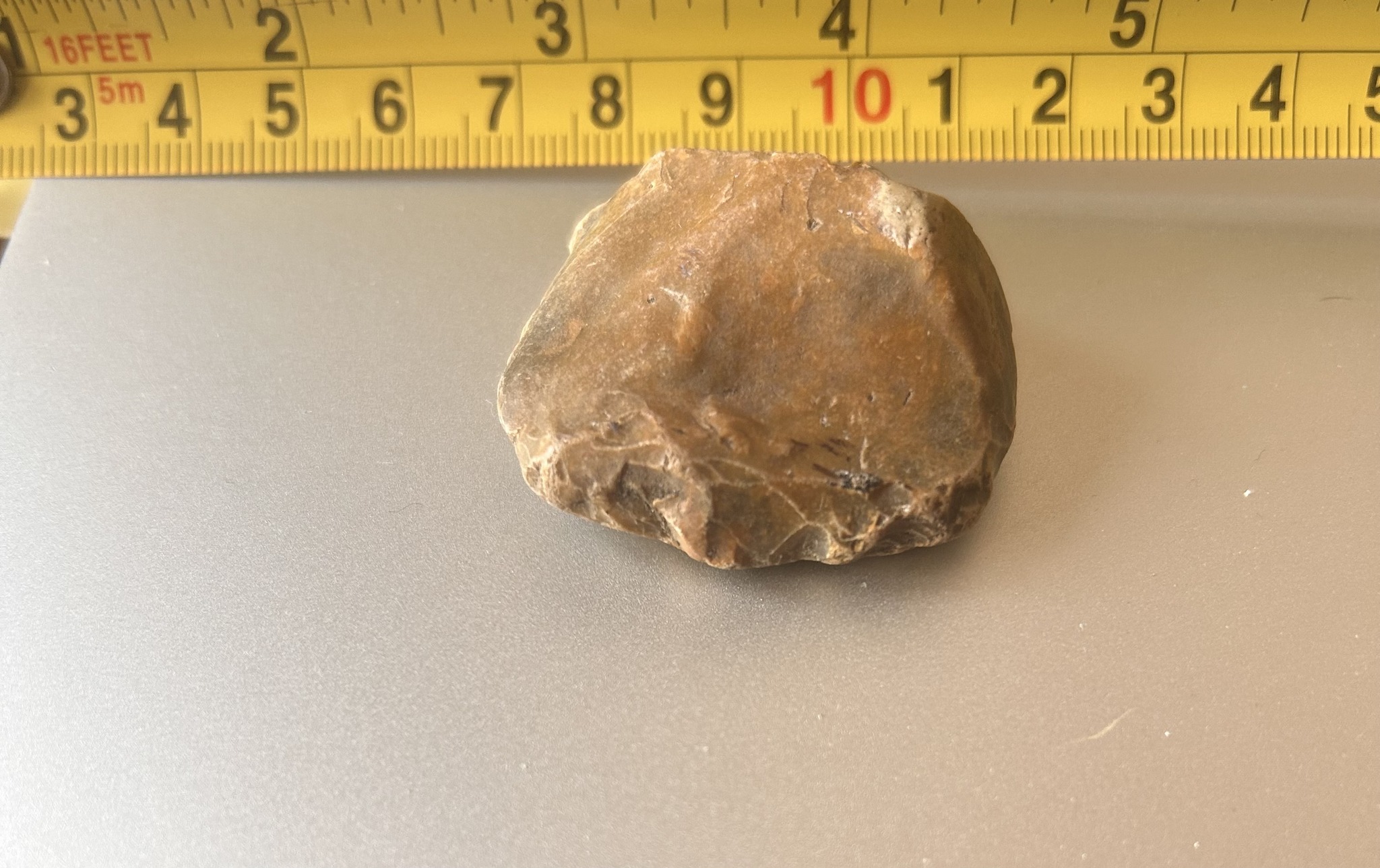
This specimen appears to be a mineral fragment, approximately 4.5 cm in width according to the adjacent tape measure. It exhibits a yellowish-brown to ochre-colored waxy or vitreous luster, which is stylistically consistent with varieties of chert or flint. The object displays physical characteristics suggestive of intentional human modification, specifically what appears to be conchoidal fracturing and flake scars along the lower margin. These features are consistent with 'lithic reduction' techniques used in the production of prehistoric stone tools, though they could also be the result of natural geological processes or non-anthropogenic 'pseudo-tool' fracturing. The surface shows a weathered patina and various small indentations. No maker's marks, signatures, or inscriptions are visible, as is standard for geological or archaeological specimens. The user identifies this as 'found', which provides no specific location data; without a secure archaeological context and in-person lithic analysis, any attribution to a specific era (such as the Paleolithic or Neolithic) is a hypothesis and remains unverified. The identification as a 'tool' is based on the visible flake patterns, which require professional verification to differentiate from 'geofacts' (naturally broken stones).
AI Appraisal Report

·AI can make mistakes·Verify before acting
Based on the provided imagery, I have examined this lithic specimen which measures approximately 4.5 cm. The material appears consistent with chert or flint, exhibiting a waxy luster and ochre coloration. From what I can see, the lower margin displays characteristics reminiscent of conchoidal fracturing and flake scars. While these features are stylistically consistent with prehistoric lithic reduction techniques, I cannot determine from a photo whether these modifications are anthropogenic or 'geofacts' created by natural geological pressure. The owner identifies this as a 'found' item, which leaves the archaeological context unverified. Without a secure provenance or in-person lithic analysis by an archaeologist to rule out natural fracturing, the attribution to a specific tool type remains a hypothesis. The estimated value of $10-$35 reflects the current market for unprovenanced, individual lithic surface finds sold as curiosities or educational samples. If this specimen were professionally analyzed and attributed to a specific cultural horizon with documented find-spot data, its value could increase, though isolated finds without context rarely command high premiums. Conversely, if it is determined to be a naturally fractured stone or a modern imitation, the value would be negligible. To advance the identification, an in-person examination is necessary to check for microscopic use-wear and to verify that the flake patterns are not the result of recent damage or environmental tumbling. The current valuation assumes the item is an ancient lithic of indeterminate age, as is typical for retail market behavior regarding unattributed stone artifacts.

Get your items appraised

Instant estimates of your treasures with AI-powered appraisals

Browse More Appraisals