AI Appraisal Estimate

AI-generated estimates · not official valuations

From the user

What was submitted

Photo and notes provided by the user — not generated by AI

Submitted item photo
Submitted photo · July 9, 2026

User's notes

Arrowheads

AI analysis below

AI appraisal

AI analysis & estimate

AI-Generated · Verify before acting

Everything below is generated by AI for informational purposes only. AI can make mistakes — the AI may misidentify items or misattribute them (artist, maker, brand, designer, origin, era). This is not an official valuation and should not be used for insurance, sale, tax, estate, legal, or lending purposes — or any decision requiring a certified appraisal. It is not an authoritative claim about any person, brand, or rights holder — do not share or rely on it as a factual statement about a third party. Always consult qualified professionals before making financial decisions.

Note

This analysis also relies on unverified notes provided by the user, which may be incomplete or inaccurate and could affect the result.

Read the full disclaimer

AI Identification

·Not independently authenticated·Verify before acting

Assorted lithic debitage and potential stone tool fragments

Archaeological and Geological Specimens

AI Estimated Value

·Not an official valuation·Verify before acting

$40 - $120

As of July 9, 2026

AI Item Analysis

·AI can make mistakes·Verify before acting
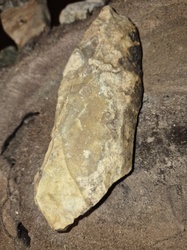
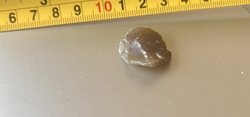
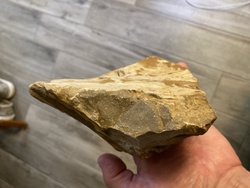
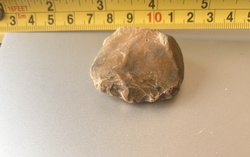
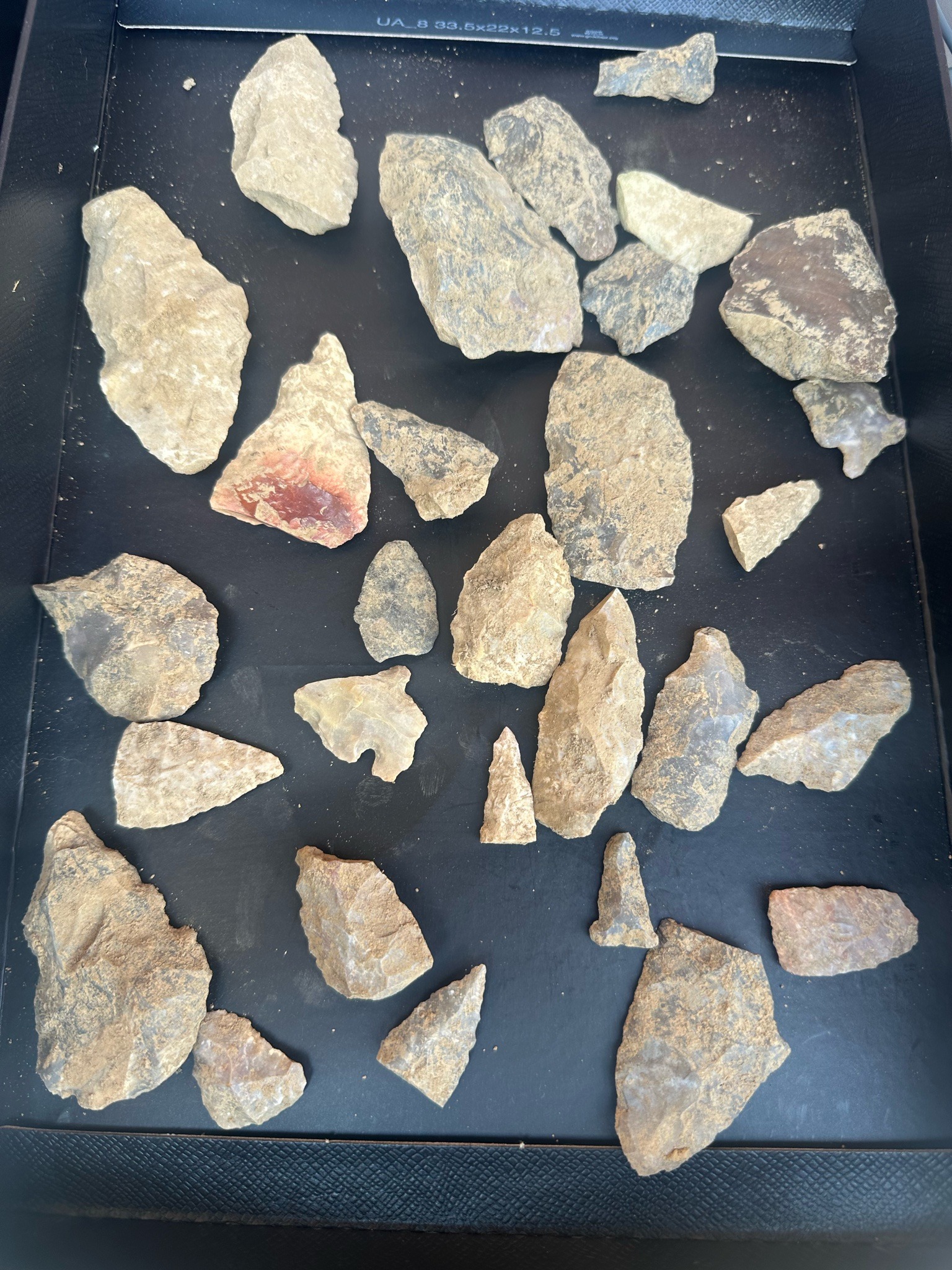
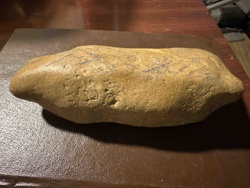
This collection consists of approximately 24 individual stone pieces of varying sizes, shapes, and mineral compositions, arranged on a dark surface. The materials appear to include chert, flint, or similar microcrystalline quartz, showing a range of colors from light tan and grey to deep reddish-brown. Several pieces exhibit characteristics consistent with lithic reduction, such as conchoidal fracturing and possible secondary flaking along edges. While the owner identifies these as 'arrowheads', they appear more consistent with a mix of debitage (waste flakes), preforms, and crudely worked bifacial fragments rather than finished projectile points. The items are heavily coated in a tan, silty soil or sediment, which obscures fine surface details. Notable shapes include several triangular and lanceolate forms, though many lack the defined notches or stems typically associated with finalized arrowheads. There are no visible maker's marks or cultural identifiers. The age is impossible to determine from the image; while they have an appearance consistent with ancient lithic tools, this is unverified and they could potentially be modern flint-knapping experiments or naturally fractured stone. Professional in-person archaeological analysis would be required to determine if these are anthropogenic artifacts or geofacts.
AI Appraisal Report

·AI can make mistakes·Verify before acting
Based on my visual analysis of the image provided, this collection consists of approximately 24 lithic fragments of varying mineral compositions. The owner identifies these as 'arrowheads'; however, from what I can see, the pieces appear more consistent with a mix of lithic debitage, preforms, and bifacial fragments. Notable characteristics such as conchoidal fracturing and possible secondary flaking suggest anthropogenic origin, though I cannot verify from a photo if these are ancient artifacts or modern flint-knapping experiments. The heavy coating of sediment further obscures fine surface details necessary for a precise typology. The value estimate of $40–$120 assumes these are legitimate archaeological specimens of North American origin. This range reflects general market behavior for bulk 'field-grade' lithic finds that lack high-quality flaking or specific diagnostic forms (such as Clovis or Folsom points). Because these lack defined notches or stems and are in 'as-found' condition, their primary appeal is to educational collectors or those interested in lithic reduction processes. If these were at some point identified as modern reproductions or naturally occurring 'geofacts,' the value would likely drop to a nominal curiosity price of less than $10. To confirm the origin and potential cultural affiliation of these items, a physical inspection by a lithics specialist or archaeologist would be necessary to examine patination, microscopic wear patterns, and mineral hydration. Without provenance documentation or expert in-person analysis, the attribution to an ancient cultural period remains a hypothesis.

Related Tags

Explore similar items and categories

Get your items appraised

Instant estimates of your treasures with AI-powered appraisals

Browse More Appraisals