Coarse-Grained Lithic Specimen (Likely Geofact)
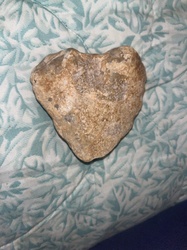
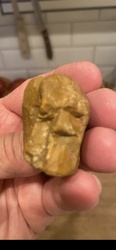
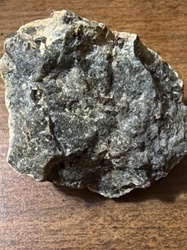
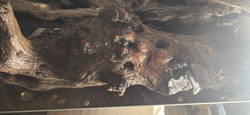
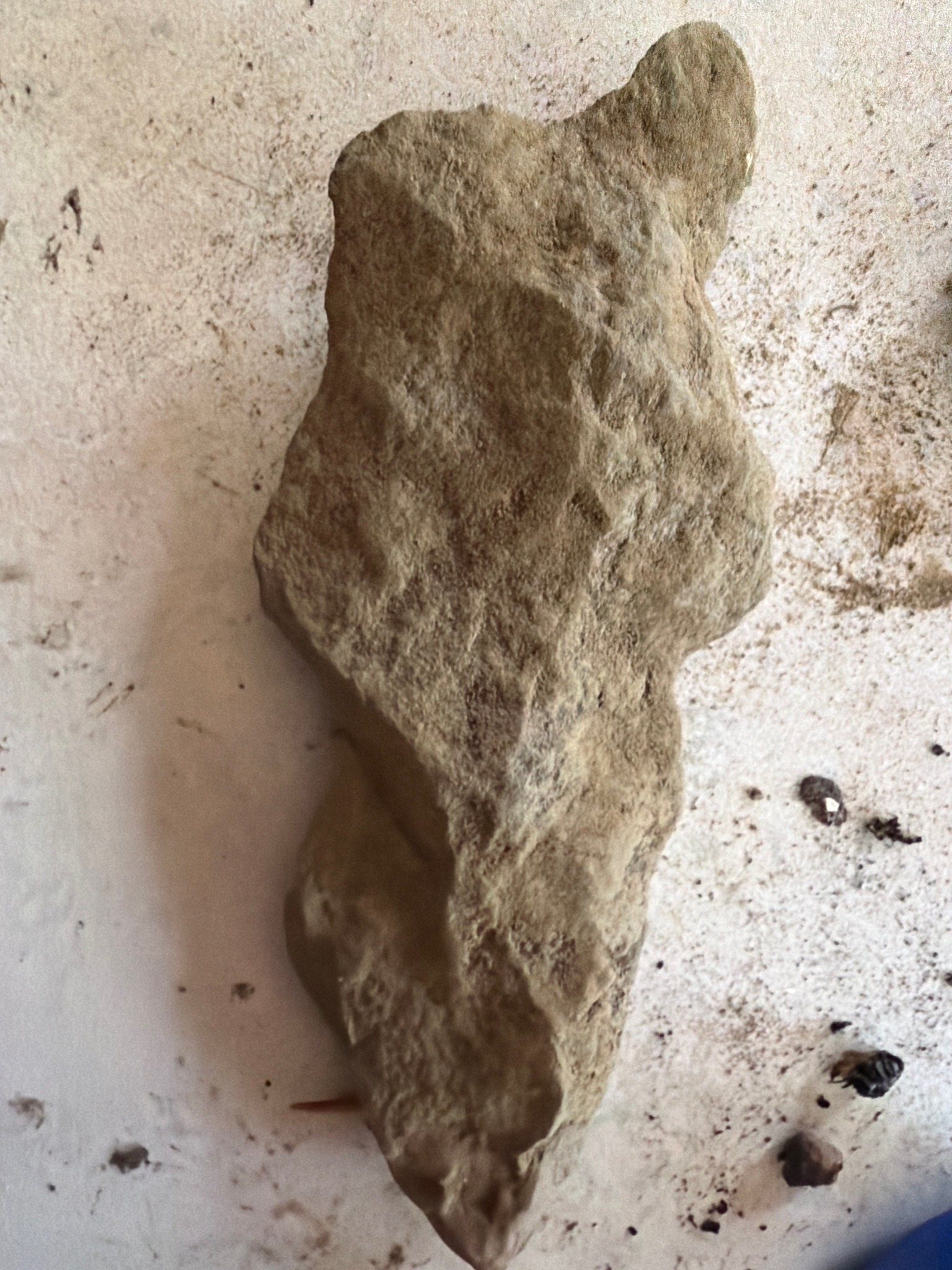
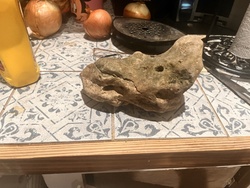
This item is an irregular, elongated stone specimen composed of a coarse-grained sedimentary or metamorphic material, likely a variety of sandstone or siltstone consistent with the geology of the Susquehanna River region in Pennsylvania. The object exhibits a light tan to grayish-brown coloration with a dusty, matte surface texture. Its physical construction is defined by jagged, angular fractures and stepped planes rather than the purposeful conchoidal flaking associated with intentional human knapping. While the overall silhouette vaguely suggests a cruciform or anthropomorphic shape, these contours appear to be the result of natural weathering and mechanical erosion within a fluvial or canal-adjacent environment. There are no definitive percussion bulbs, striking platforms, or retouching scars that would indicate it is a formal Native American lithic tool like an axe or projectile point. The surface displays extensive micro-pitting and mineral accumulation, suggesting it has been exposed to the elements or water transport for a significant duration. No maker's marks or cultural signatures are present. In an appraisal context, this is classified as a geofact—a natural stone that mimics a man-made artifact through chance geological processes.
AI-Generated Appraisal Disclaimer
Estimated Value
$5 - $15
Basic Information
Category
Geological Specimens / Natural Curiosities
Appraised On
May 8, 2026
Estimated Value
$5 - $15
Additional Details Provided By Owner
User Provided Information
Found in beach Haven, Pennsylvania near Susquehanna River Canal
Item Description
This item is an irregular, elongated stone specimen composed of a coarse-grained sedimentary or metamorphic material, likely a variety of sandstone or siltstone consistent with the geology of the Susquehanna River region in Pennsylvania. The object exhibits a light tan to grayish-brown coloration with a dusty, matte surface texture. Its physical construction is defined by jagged, angular fractures and stepped planes rather than the purposeful conchoidal flaking associated with intentional human knapping. While the overall silhouette vaguely suggests a cruciform or anthropomorphic shape, these contours appear to be the result of natural weathering and mechanical erosion within a fluvial or canal-adjacent environment. There are no definitive percussion bulbs, striking platforms, or retouching scars that would indicate it is a formal Native American lithic tool like an axe or projectile point. The surface displays extensive micro-pitting and mineral accumulation, suggesting it has been exposed to the elements or water transport for a significant duration. No maker's marks or cultural signatures are present. In an appraisal context, this is classified as a geofact—a natural stone that mimics a man-made artifact through chance geological processes.
Related Tags
Get Your Items Appraised
Instant estimates of your treasures with AI-powered instant appraisals