AI identification & appraisal estimate

Chipped Stone Specimen Consistent with a Bifacial Lithic Specimen

This name is the AI's identification of the item — it may be incorrect.

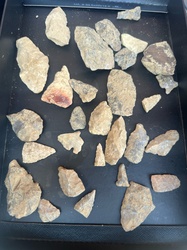
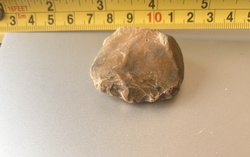
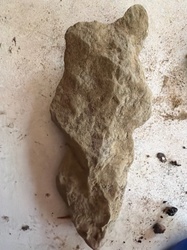
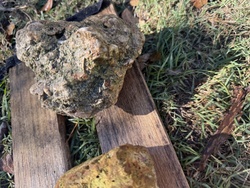
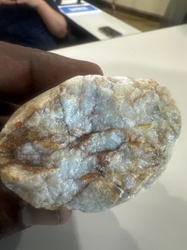
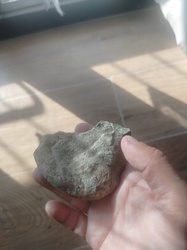
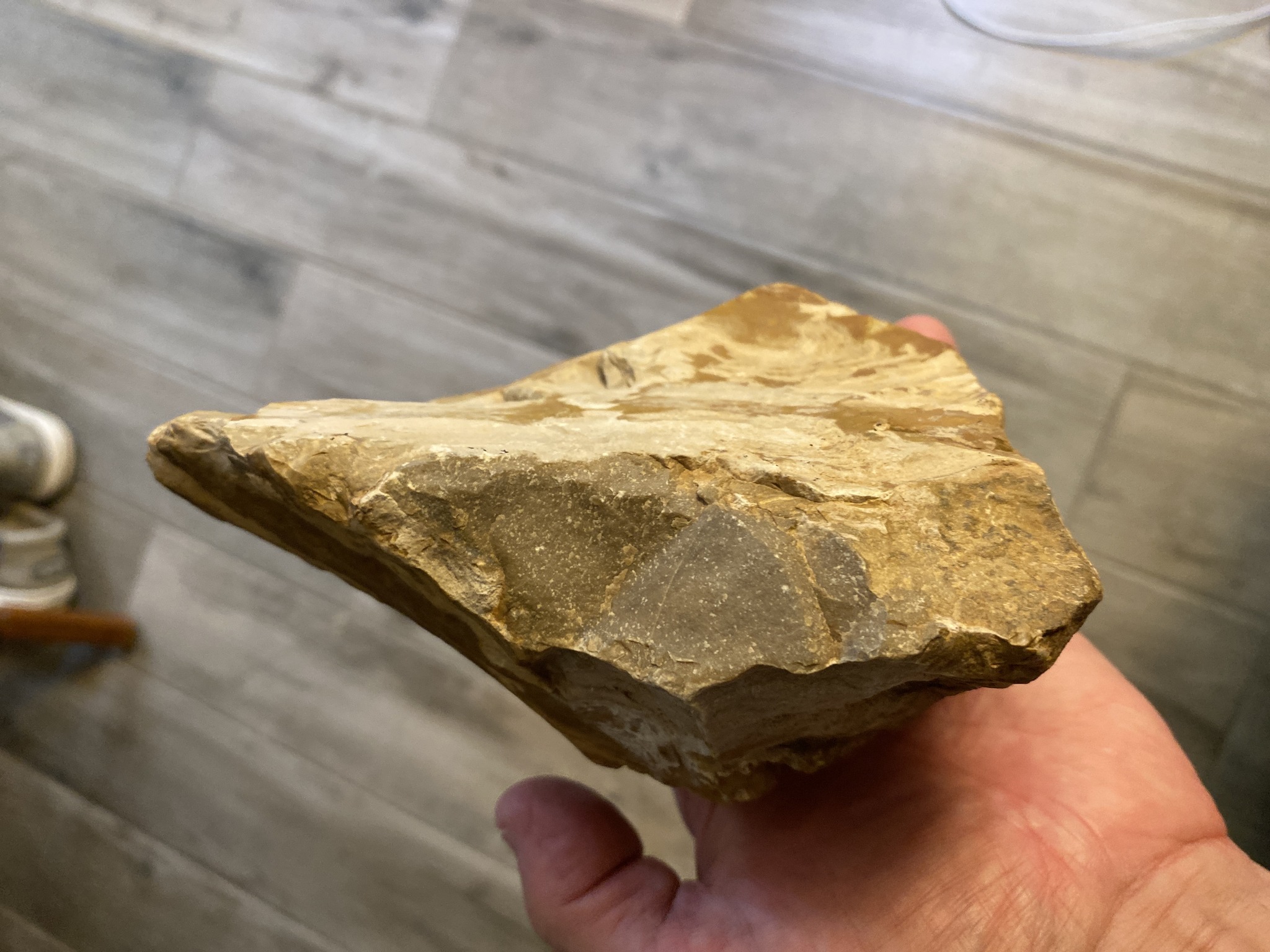
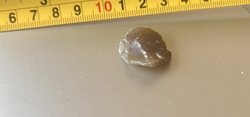
Submitted photo of Chipped Stone Specimen Consistent with a Bifacial Lithic Specimen
Photo submitted by the user — not generated by AI

User's notes

This prehistoric Bi face chert hand axe has been identified as a Lower Paleolithic Acheulean artifact example found in Guthrie OK on private property. The hand axe measures 6" x 6" and is a narrative changer because I have found many large examples this size and tear drop pear shape.

These notes were written by the person who submitted this item. Appraiser.AI has not verified them, and the AI's identification and estimate may rely on them.

AI Estimated Value

Not an official valuation

$20 - $150

AI estimate as of July 22, 2026 · verify with a professional before acting

AI-Generated · Verify before acting

Everything on this page is generated by AI for informational purposes only. AI can make mistakes — the AI may misidentify items or misattribute them (artist, maker, brand, designer, origin, era). This is not an official valuation and should not be used for insurance, sale, tax, estate, legal, or lending purposes — or any decision requiring a certified appraisal. It is not an authoritative claim about any person, brand, or rights holder — do not share or rely on it as a factual statement about a third party. Always consult qualified professionals before making financial decisions.

This analysis also relies on unverified notes provided by the user, which may be incomplete or inaccurate and could affect the result.

Read the full disclaimer

AI Item Analysis

AI can make mistakes
This object is a large, triangular or wedge-shaped stone specimen composed of a tan-to-grey chert or similar fine-grained siliceous rock. The specimen features irregular fracturing along the edges with visible conchoidal-style flake scars consistent with knapped lithic material, though natural geological fracturing or weathering cannot be ruled out from the image alone. The surface exhibits a yellowish-tan weathering rind or patina across several faces, with darker grey exposed stone beneath the outer cortex. No maker's marks, inscriptions, or formal diagnostic signatures are present. The user attributes this item as a Lower Paleolithic Acheulean chert hand axe found in Guthrie, Oklahoma, measuring approximately 6 inches by 6 inches; however, these owner-supplied details remain unverified and cannot be confirmed without professional, in-person archaeological assessment. Hedged language is used as physical laboratory testing and provenance documentation are required to distinguish cultural flintknapping from naturally fractured geofacts.
AI Appraisal Report

AI can make mistakes
Based on my examination of the provided photograph, I can observe a wedge-shaped siliceous stone specimen featuring irregular fracturing and flake scars consistent with a knapped bifacial lithic object. However, from a photograph alone, I cannot verify whether these features result from intentional human knapping or natural geological processes such as frost wedging or stream tumbling. Per user submission, this object is identified as a Lower Paleolithic Acheulean chert hand axe found on private property in Guthrie, Oklahoma, measuring approximately 6 by 6 inches. It should be noted that standard North American archaeological chronologies do not include Lower Paleolithic or Acheulean traditions, making formal laboratory analysis essential. The market value for surface-found, unverified lithic objects or potential geofacts is modest, typically ranging from $20 to $50 as educational or curiosity pieces. If an independent physical examination by a professional archaeologist, supported by secure provenance documentation, were to establish this as an authentic prehistoric indigenous artifact, market value among regional collectors could range from $75 to $150. Conversely, if identified strictly as a natural geofact, commercial value would be minimal. To confirm the origin and cultural modification of this specimen, an in-person physical inspection, microscopic wear analysis, and contextual site documentation by a qualified specialist would be required.

Keep exploring

More geological & archaeological specimens appraisals

Get your items appraised

Instant AI-powered appraisal estimates — a starting point, not an official valuation

Browse More Appraisals