AI identification & appraisal estimate

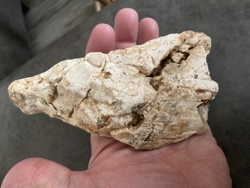
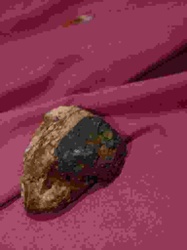
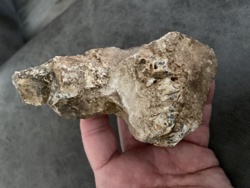
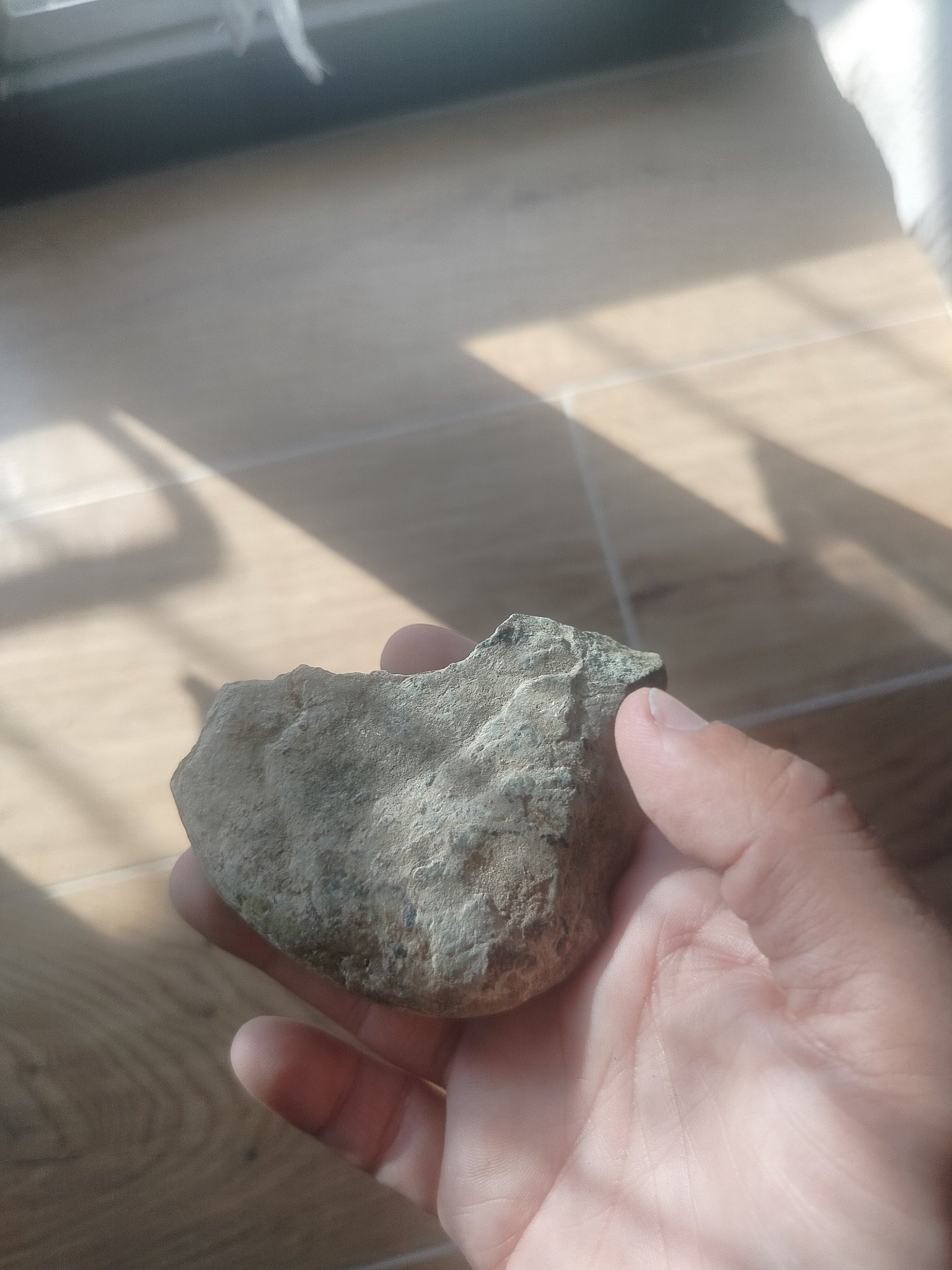
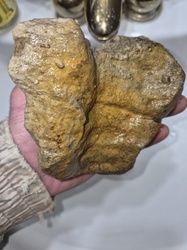
Fragmentary stone specimen, potentially a fossil or mineral concretion

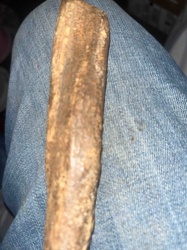
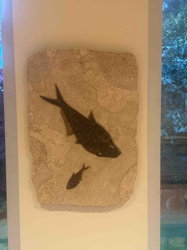
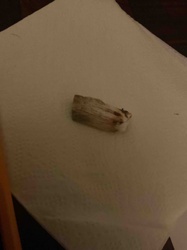
Submitted photo of Fragmentary stone specimen, potentially a fossil or mineral concretion
Photo submitted by the user — not generated by AI

User's notes

trovato lungo il sentiero del pescatore a Fossano in provincia di cuneo potrebbe essere un fossile

These notes were written by the person who submitted this item. Appraiser.AI has not verified them, and the AI's identification and estimate may rely on them.

AI Estimated Value

Not an official valuation

$5 - $25

AI estimate as of May 26, 2026 · verify with a professional before acting

AI-Generated · Verify before acting

Everything on this page is generated by AI for informational purposes only. AI can make mistakes — the AI may misidentify items or misattribute them (artist, maker, brand, designer, origin, era). This is not an official valuation and should not be used for insurance, sale, tax, estate, legal, or lending purposes — or any decision requiring a certified appraisal. It is not an authoritative claim about any person, brand, or rights holder — do not share or rely on it as a factual statement about a third party. Always consult qualified professionals before making financial decisions.

This analysis also relies on unverified notes provided by the user, which may be incomplete or inaccurate and could affect the result.

Read the full disclaimer

AI Item Analysis

This item is an irregular, palm-sized stone specimen with a roughly triangular or heart-shaped profile. The object exhibits a sedimentary or calcareous appearance with a palette of dusty grays, muted ochres, and brownish earth tones. The surface is characterized by a bumpy, uneven texture, featuring small indentations and raised ridges that are stylistically consistent with natural weathering or possible fossilization, though this remains an unverified hypothesis without professional paleontological analysis. The user notes that this was found near Fossano, Italy, along the 'sentiero del pescatore' (Fisherman's Trail) and suggests it might be a fossil; however, this user-supplied claim is not confirmed by the visual evidence alone, as such markings can also result from geological differential erosion. There are no visible maker's marks, inscriptions, or hallmarks, as it appears to be a natural or archaeological object. The material appears to be a type of rock, possibly limestone or sandstone, showing jagged edges on one side and a more rounded, weathered form on the other. It lacks artificial craftsmanship, suggesting an age derived from geological time frames rather than a manufacturing era. Expert in-person inspection would be required to distinguish between a common rock and an organic fossilized remain.
AI Appraisal Report

Based on my visual analysis of the provided images, this specimen exhibits the characteristics of a sedimentary stone or calcareous concretion. Per user submission, the item was found near Fossano, Italy, and is hypothesized to be a fossil. However, I cannot verify from a photo whether the surface texture is organic in origin or the result of geological differential erosion, which often mimics biological forms. The specimen lacks clear diagnostic features—such as visible bone structure or distinct leaf venation—that would classify it as a significant paleontological find without physical inspection. The current estimate of $5–$25 reflects its character as a curiosity or educational geological sample. If the item were hypothetically authenticated by a paleontologist as a rare or well-preserved specimen, the value could increase, though common fossils from this region typically remain in a modest price bracket. Conversely, as a common rock, the market value is negligible. General market demand for unprovenanced, fragmentary geological finds is low, as collectors typically prioritize specimens with clear biological morphology and documented stratigraphic data. To determine the true nature of this piece, an in-person examination by a geologist or paleontologist and a microscopic analysis of the surface density and composition would be required. My valuation assumes the item is an unclassified natural specimen found in situ.

Keep exploring

More geological and paleontological specimens appraisals

Get your items appraised

Instant AI-powered appraisal estimates from a photo

Browse More Appraisals