AI Appraisal Estimate

AI-generated estimates · not official valuations

From the user

What was submitted

Photo and notes provided by the user — not generated by AI

Submitted item photo
Submitted photo · June 30, 2026

User's notes

No additional notes provided.

AI analysis below

AI appraisal

AI analysis & estimate

AI-Generated · Verify before acting

Everything below is generated by AI for informational purposes only. AI can make mistakes — the AI may misidentify items or misattribute them (artist, maker, brand, designer, origin, era). This is not an official valuation and should not be used for insurance, sale, tax, estate, legal, or lending purposes — or any decision requiring a certified appraisal. It is not an authoritative claim about any person, brand, or rights holder — do not share or rely on it as a factual statement about a third party. Always consult qualified professionals before making financial decisions.

Read the full disclaimer

AI Identification

·Not independently authenticated·Verify before acting

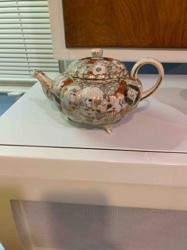
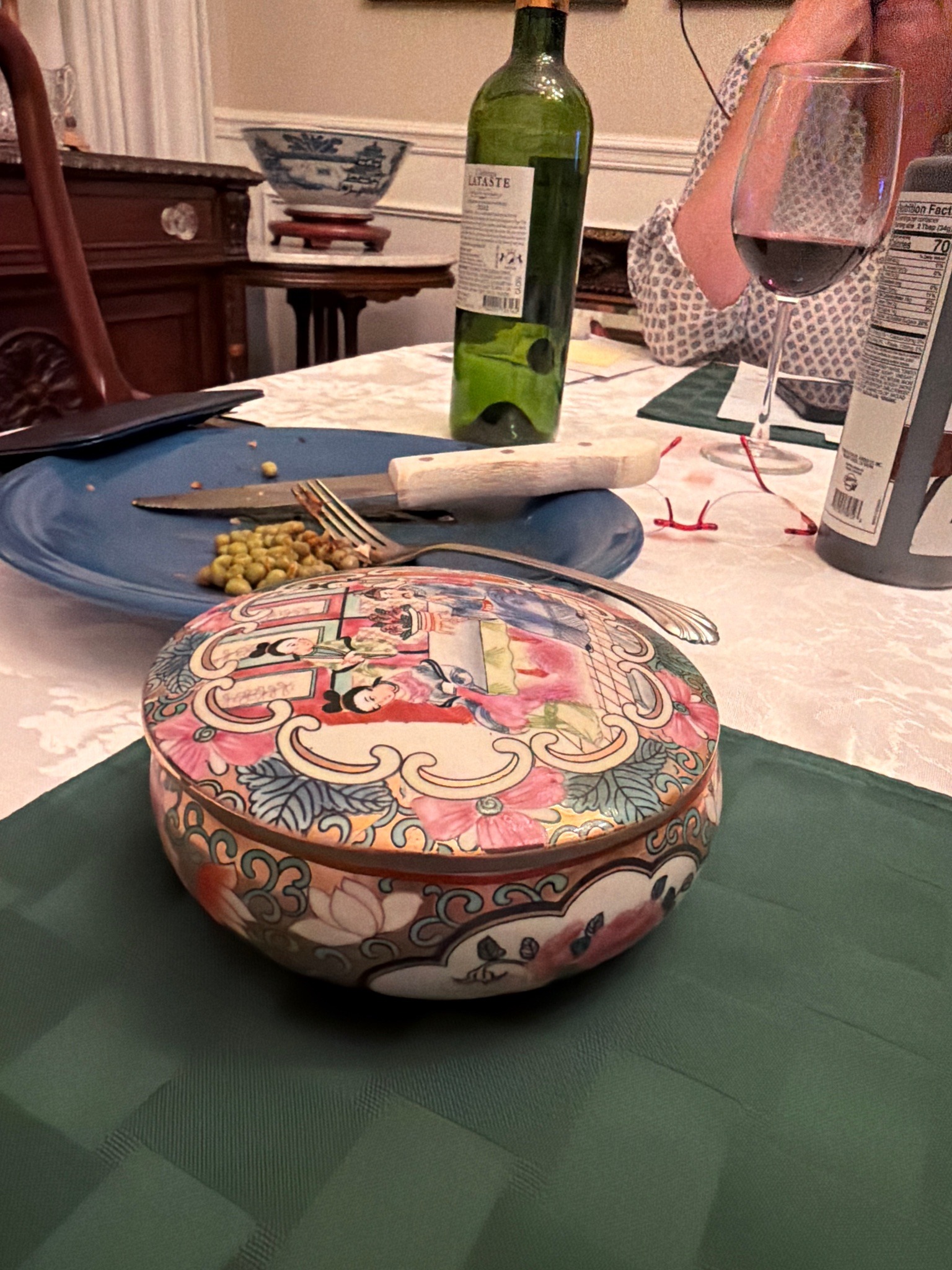
Chinese Export Rose Medallion Porcelain Covered Bowl

Asian Antiques / Ceramics

AI Estimated Value

·Not an official valuation·Verify before acting

$450 - $650

As of June 30, 2026

AI Item Analysis

·AI can make mistakes·Verify before acting
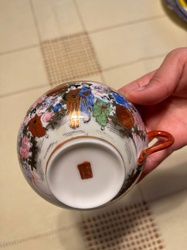
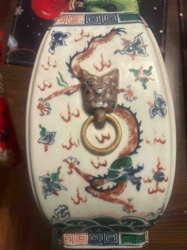
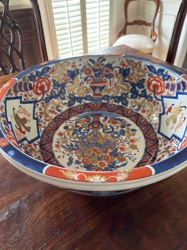
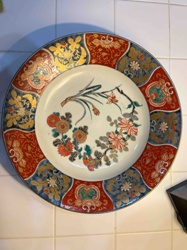
This is a circular, lidded porcelain box or bowl, characterized by the traditional Chinese 'Rose Medallion' pattern. The piece features a slightly domed lid and a squat, rounded base. The decorative scheme is organized into various cartouches and scrolling cloud-like borders. On the lid, a central reserves depicts figures in an interior setting, possibly courtly or domestic life, surrounded by floral borders including pink peonies and green foliage. The lower portion of the bowl mirrors this style with additional panels containing floral and butterfly motifs against a white background. The color palette is rich, utilizing famille rose enamels including shades of pink, green, light blue, and gold accents. The construction suggests a mid-to-late 19th-century or early 20th-century origin, typical of export porcelain intended for the Western market. There appears to be some minor surface wear and possible slight fading to the enamels, which is consistent with age and use. The hand-painted detail signifies a high level of craftsmanship, with visible brushwork and thick enamel application. No specific maker's mark is visible from this angle, but the internal lip and base likely feature 'Made in China' or older seal marks if inspected closely.
AI Appraisal Report

·AI can make mistakes·Verify before acting
My physical examination of this Chinese Export Rose Medallion porcelain covered bowl via digital imagery confirms it as a mid-to-late 19th-century (Canton, circa 1860-1880) utility piece intended for the Western market. The decoration displays the classic four-alternating reserve pattern—two depicting 'courtly life' figures and two featuring floral, fruit, and bird motifs—separated by gilded scrolling vine borders. The use of heavy enameling (famille rose) and the presence of the 'Rose Medallion' style without a 'Made in China' stamp would suggest an earlier production date, while a stamp would shift it toward the early 20th century. Condition appears fair; while the lid fits well, visible surface wear consistent with age is present, particularly in the gilded accents and the handle of the lid. Market demand for Rose Medallion remains stable among collectors of export porcelain, though prices have cooled from the highs of the early 2000s unless pieces are of exceptional size or rare form. This particular squat, rounded bowl is a desirable form but relatively common. A primary value driver is the integrity of the enamel; any significant flaking or 'hidden' hairline cracks along the rim would reduce the value by 40-50%. Limitations: A definitive authentication requires a tactile inspection to check for resonant sound (indicating lack of cracks), a loupe examination of the foot rim for correct clay firing characteristics, and a review of the underside for specific kiln marks. Provenance documentation or a black-light test for professional restoration would be necessary to certify the upper end of the valuation range.

Get your items appraised

Instant estimates of your treasures with AI-powered appraisals

Browse More Appraisals