AI Appraisal Estimate

AI-generated estimates · not official valuations

From the user

What was submitted

Photo and notes provided by the user — not generated by AI

Submitted item photo
Submitted photo · June 6, 2026

User's notes

No additional notes provided.

AI analysis below

AI appraisal

AI analysis & estimate

AI-Generated · Verify before acting

Everything below is generated by AI for informational purposes only. AI can make mistakes — the AI may misidentify items or misattribute them (artist, maker, brand, designer, origin, era). This is not an official valuation and should not be used for insurance, sale, tax, estate, legal, or lending purposes — or any decision requiring a certified appraisal. It is not an authoritative claim about any person, brand, or rights holder — do not share or rely on it as a factual statement about a third party. Always consult qualified professionals before making financial decisions.

Read the full disclaimer

AI Identification

·Not independently authenticated·Verify before acting

Japanese Imari Porcelain Punch Bowl

Asian Antiques / Ceramics

AI Estimated Value

·Not an official valuation·Verify before acting

$350 - $550

As of June 6, 2026

AI Item Analysis

·AI can make mistakes·Verify before acting
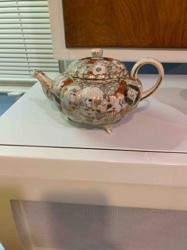
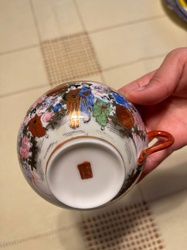
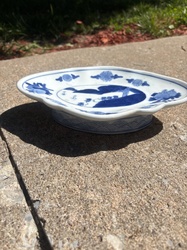
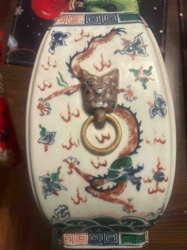
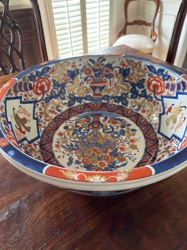
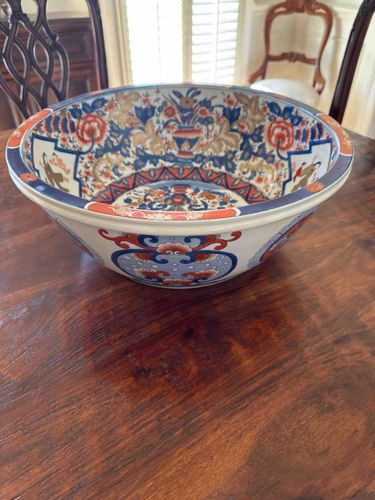
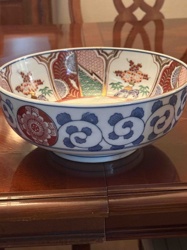
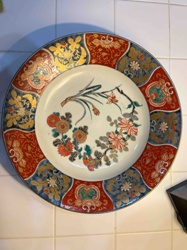
This is a large, circular porcelain punch bowl traditionally decorated in the 'Imari' style. The color palette is characteristic of the genre, utilizing underglaze cobalt blue paired with overglaze iron red and accented with gold leaf or gilt highlights. The interior is densely decorated with a central roundel featuring a floral vase, surrounded by radiating panels and scrolling botanical motifs. High-quality craftsmanship is evidenced by the fine line-work and the complexity of the repeating geometric and floral patterns along the inner rim. The exterior showcases large cartouches with scalloped borders, containing stylized blossoms and scrollwork. Based on the uniform shape and the vibrancy of the pigments, this piece appears to be a 20th-century revival or export-style item, likely dating to the Showa era or late Meiji period. The glaze displays a clean, reflective sheen, suggesting it has been well-maintained. There are no immediate signs of significant structural damage such as cracks or large chips visible in the photograph, though minor surface wear to the gilt on the rim is common for a piece of this age. The bowl serves as a significant decorative centerpiece, reflecting the historical Japanese porcelain traditions meant for the Western market.
AI Appraisal Report

·AI can make mistakes·Verify before acting
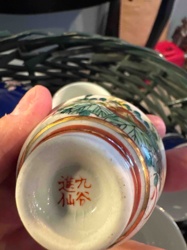
Based on my examination of the photographs provided, this is a handsome large-scale Japanese porcelain punch bowl decorated in the traditional Imari palette of underglaze blue, iron red, and gilt. The piece appears to be a 20th-century example, likely dating to the Showa period (mid-to-late 20th century), rather than an 18th or 19th-century Edo period antique. The decoration is vibrant and dense, featuring the characteristic central floral vase roundel and panelled borders, executed with competency but lacking the freehand fluidity seen in earlier, higher-value antique precursors. The use of bright, uniform pigments and the standard shape point towards high-volume production for the Western export market. Condition appears excellent from the visual evidence, with the glaze retaining a high sheen and the gilt highlights showing only expected, minor rubbing along the rim. There are no obvious hairline cracks or chips visible. The current market for mid-20th-century Imari revival ware is stable but accessible. Values are driven primarily by decorative appeal and size rather than historical rarity. While 19th-century examples of this size often command prices over $800, later vintage pieces like this typically settle in the $350 to $550 range at auction, though retail prices in antique shops may be higher. To provide a definitive authentication and precise valuation, I would need to physically handle the bowl to assess the weight and translucency of the porcelain, examine the foot rim for kiln spur marks or maker's marks, and inspect for restoration under UV light, as professional repairs can often be invisible to the naked eye in photographs.

Get your items appraised

Instant estimates of your treasures with AI-powered appraisals

Browse More Appraisals