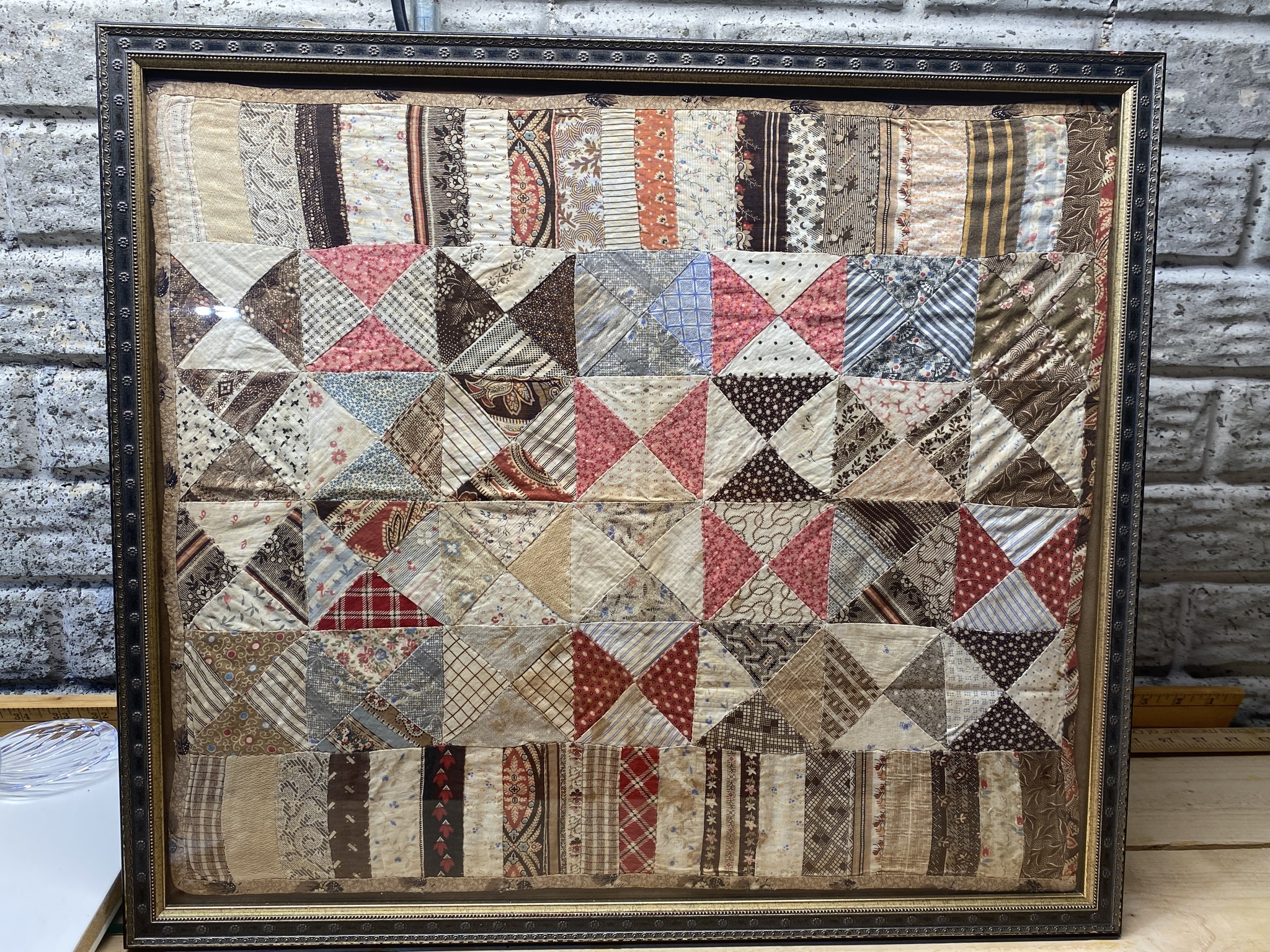
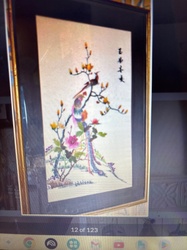
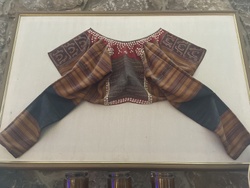
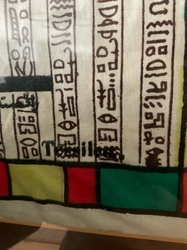
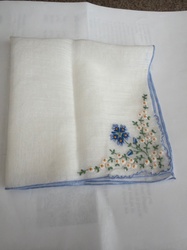
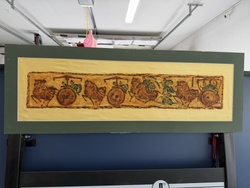
Quilt patches that display Bradshaw family history from the Stauton MA area. I am told they are over 200 years old
These notes were written by the person who submitted this item. Appraiser.AI has not verified them, and the AI's identification and estimate may rely on them.
AI Estimated Value
Not an official valuation
$400 - $800
AI estimate as of June 12, 2026 · verify with a professional before acting
AI-Generated · Verify before acting
Everything on this page is generated by AI for informational purposes only. AI can make mistakes — the AI may misidentify items or misattribute them (artist, maker, brand, designer, origin, era). This is not an official valuation and should not be used for insurance, sale, tax, estate, legal, or lending purposes — or any decision requiring a certified appraisal. It is not an authoritative claim about any person, brand, or rights holder — do not share or rely on it as a factual statement about a third party. Always consult qualified professionals before making financial decisions.
This analysis also relies on unverified notes provided by the user, which may be incomplete or inaccurate and could affect the result.
This item is a framed textile piece consisting of hand-pieced fabric scraps arranged in a central grid of hourglass or 'quarter-square triangle' patterns, bordered by vertical strips at the top and bottom. The textile utilizes a variety of printed cotton fabrics, including calicos, stripes, florals, and small geometrics in a palette of browns, tans, reds, and blues. The owner identifies this as a Bradshaw family history quilt from Taunton, MA, and suggests it is over 200 years old; however, these historical claims are unverified from the image alone. The fabric patterns range from early-to-mid 19th-century styles, though some prints could be consistent with late 18th-century production. The construction appears to be hand-stitched, with evidence of fine hand-quilting seen in the subtle surface texture. The condition shows visible signs of age, including significant fading, yellowing of the cream-colored fabrics, and some frayed edges, which are consistent with a 19th-century origin. The piece is housed in a modern decorative frame with a gold-tone inner lip and a dark, beaded outer molding, presumably for preservation. Without an in-person physical inspection of the thread, dye composition, and weaving techniques, a precise age cannot be determined, though the aesthetic is stylistically consistent with American folk art textiles of the early-to-mid 1800s.
AI Appraisal Report
Based on the provided image, I have examined this framed textile fragment, which consists of various printed cotton scraps in an hourglass pattern. The fabrics, including small-scale florals and calicos, appear stylistically consistent with the first half of the 19th century. Per user submission, the piece is attributed to the Bradshaw family of Taunton, MA, and is suggested to be over 200 years old. While the visual evidence of fading and fabric wear supports a significant age, I cannot verify the exact date or specific family provenance from a photo alone. A physical inspection by a textile historian would be required to analyze thread twist and dye composition to confirm if any components date to the late 18th century as claimed. The estimated value of $400-$800 assumes the regional historical attribution and age are correct, as documented provenance to a specific early American family often increases desirability among folk art collectors. However, this estimate is a hypothesis; should the piece be determined to be a later 19th-century construction without verifiable family ties, the value would likely decrease to the $150-$300 range. The current market for framed early American textile fragments is stable but highly dependent on the condition of the fibers and the strength of the documented history. To reach a more certain valuation, one would need to examine the piece outside of its frame to check for hidden damage, assess the hand-stitching techniques, and provide corroborating documentation such as family bibles or estate records linking the quilt to the Bradshaw lineage. Currently, the value is bolstered by the aesthetic appeal of the folk-art presentation and the potential historical significance of the materials used.