AI Appraisal Estimate

AI-generated estimates · not official valuations

From the user

What was submitted

Photo and notes provided by the user — not generated by AI

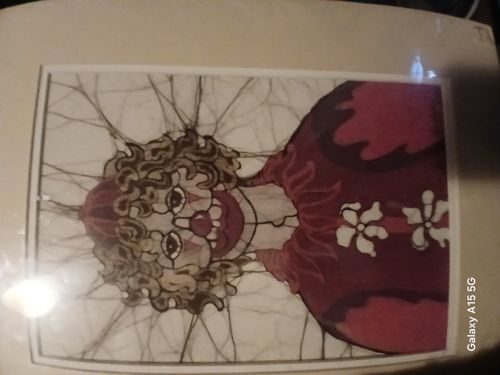
Submitted item photo
Submitted photo · June 28, 2026

User's notes

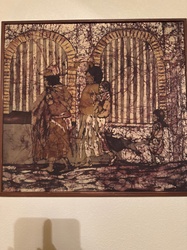
Rae taylor painting of clown

AI analysis below

AI appraisal

AI analysis & estimate

AI-Generated · Verify before acting

Everything below is generated by AI for informational purposes only. AI can make mistakes — the AI may misidentify items or misattribute them (artist, maker, brand, designer, origin, era). This is not an official valuation and should not be used for insurance, sale, tax, estate, legal, or lending purposes — or any decision requiring a certified appraisal. It is not an authoritative claim about any person, brand, or rights holder — do not share or rely on it as a factual statement about a third party. Always consult qualified professionals before making financial decisions.

Note

This analysis also relies on unverified notes provided by the user, which may be incomplete or inaccurate and could affect the result.

Read the full disclaimer

AI Identification

·Not independently authenticated·Verify before acting

Rae Taylor Original Clown Batik Artwork

Fine Art - Textile/Batik

AI Estimated Value

·Not an official valuation·Verify before acting

$150 - $250

As of June 28, 2026

AI Item Analysis

·AI can make mistakes·Verify before acting
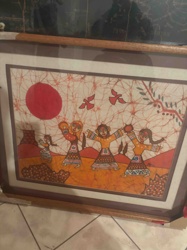
This artwork is a vintage batik textile painting by the artist Rae Taylor, featuring a stylized portrait of a clown. The piece demonstrates the traditional wax-resist dyeing technique, characterized by the intricate 'crackle' effect visible in the off-white background where dye has seeped into the fractured wax during the creation process. The composition depicts a clown with curly, yellowish-brown hair, wearing a red hat and a burgundy or deep red ruffled garment adorned with white floral motifs. The clown's face is rendered with distinct geometric accents, including diamond shapes under the eyes and a prominent red ball nose. Structurally, the fabric appears to be mounted on a firm backing or cardstock, though it is currently shown within a simple white matting. The palette is dominated by earthy and warm tones: deep reds, browns, and cream. Notable features include the flowing, organic lines that define the figure's hair and clothing, typical of mid-20th-century folk art styles. Regarding condition, the textile shows some minor age-related discoloration and slight matting wear, but the colors remain relatively saturated. Rae Taylor was known for producing these kitschy yet technical batik pieces, likely dating from the 1960s to the 1970s. The craftsmanship is evidenced by the precision of the resist lines and the complex layering of dyes required to achieve the different shades of red and brown without bleeding.
AI Appraisal Report

·AI can make mistakes·Verify before acting
I have virtually examined this original batik textile by Rae Taylor. The work exhibits the classic hallmarks of Taylor’s mid-century aesthetic, specifically her whimsical clown series from the 1960s and 1970s. The 'crackle' effect is consistent with traditional wax-resist techniques, and the color saturation—particularly the deep burgundy and reds—remains remarkably vibrant for a vintage textile. The condition is good, though minor peripheral discoloration and matting wear are noted, which are typical for organic fibers of this age. Rae Taylor’s batik works occupy a specific niche in the 'mid-century kitsch' and folk art markets. While not garnering the prices of high-fine-art oil paintings, there is a steady demand for her stylized, decorative textiles among collectors of vintage 20th-century Americana. Comparable sales for framed Taylor batiks typically range between $100 and $300 depending on size and subject complexity. This clown motif is a signature theme for the artist, increasing its desirability. Factors impacting value include the integrity of the textile fibers and the presence of the original signature. Limitations of this virtual appraisal include the inability to inspect the fabric for dry rot or pests, or to verify if the piece is securely mounted with acid-free materials. A full authentication would require an in-person inspection of the fiber structure, verification of the signature's application, and a review of provenance or original gallery labels. For insurance purposes, I recommend archival framing to prevent further atmospheric degradation.

Get your items appraised

Instant estimates of your treasures with AI-powered appraisals

Browse More Appraisals