AI Appraisal Estimate

AI-generated estimates · not official valuations

From the user

What was submitted

Photo and notes provided by the user — not generated by AI

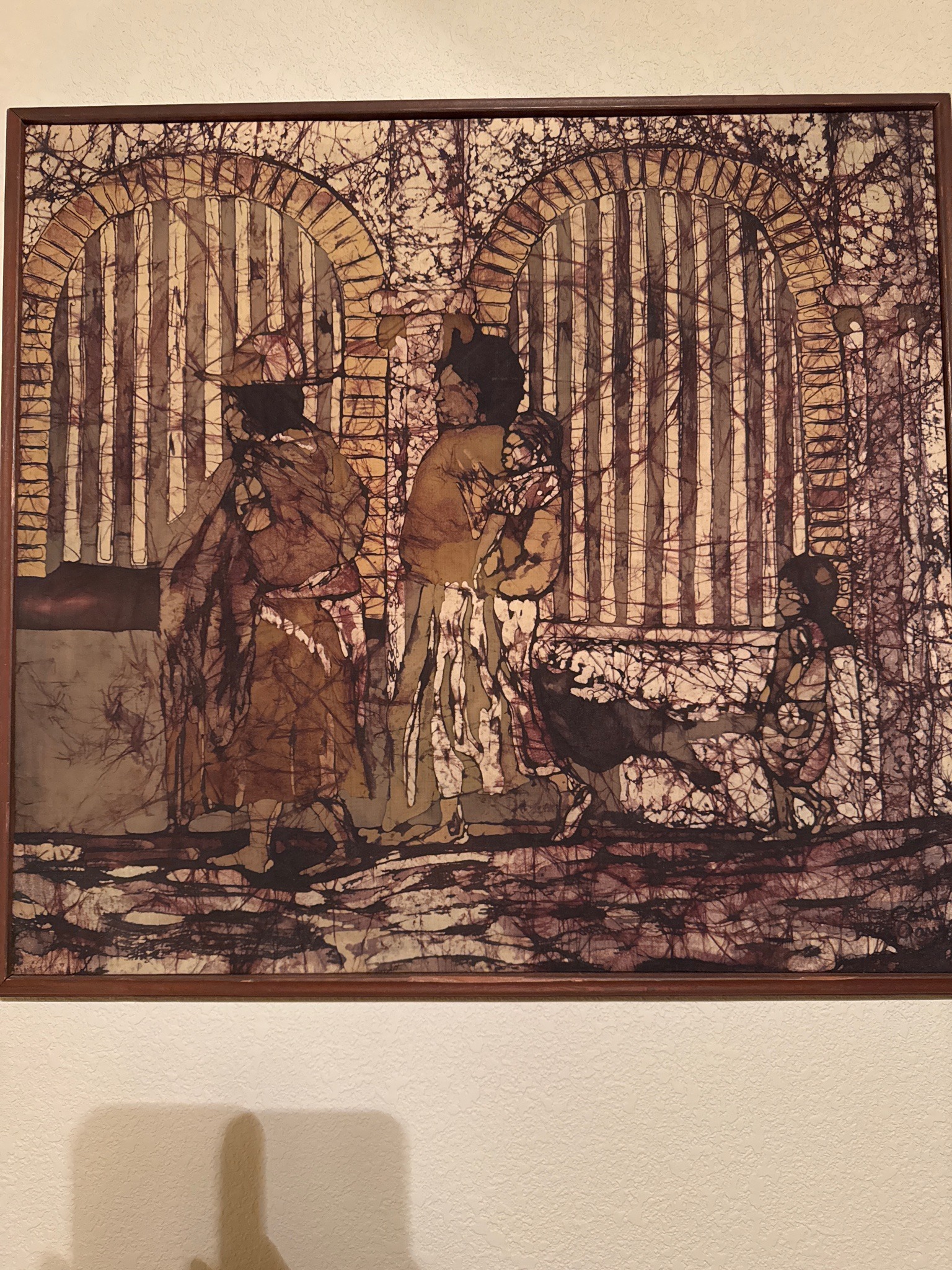
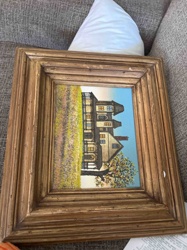
Submitted item photo
Submitted photo · June 25, 2026

User's notes

No additional notes provided.

AI analysis below

AI appraisal

AI analysis & estimate

AI-Generated · Verify before acting

Everything below is generated by AI for informational purposes only. AI can make mistakes — the AI may misidentify items or misattribute them (artist, maker, brand, designer, origin, era). This is not an official valuation and should not be used for insurance, sale, tax, estate, legal, or lending purposes — or any decision requiring a certified appraisal. It is not an authoritative claim about any person, brand, or rights holder — do not share or rely on it as a factual statement about a third party. Always consult qualified professionals before making financial decisions.

Read the full disclaimer

AI Identification

·Not independently authenticated·Verify before acting

Framed African Wax-Resist Batik Textile Art

Fine Art - Textiles

AI Estimated Value

·Not an official valuation·Verify before acting

$350 - $550

As of June 25, 2026

AI Item Analysis

·AI can make mistakes·Verify before acting
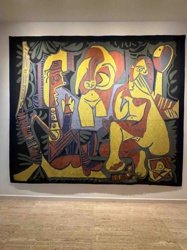
This item is a large-format textile artwork created using the traditional batik wax-resist dyeing method. The piece features a figurative scene depicting four individuals, likely meant to represent an African village or urban setting, standing before two large arched architectural elements with vertical bars. The color palette is dominated by earthy tones, including deep ochre, rust reddish-brown, cream, and dark charcoal. The characteristic 'crackle' effect of batik—where dye penetrates cracks in the wax—is highly visible throughout the composition, adding a complex web of dark lines that unify the background and figures. The figures are stylized with dark silhouettes; one appears to be carrying a child, while another is in profile wearing traditional headwear. The piece is professionally stretched and mounted in a simple, dark-stained wood perimeter frame. Based on the style and medium, this likely dates from the late 20th century (circa 1970s–1980s). The craftsmanship is of high quality, showing skillful layering of dyes and precise wax application to define the architectural arches. Condition appears excellent with no visible fading, tears, or water damage, though there is a minor amount of expected undulation in the fabric surface due to environmental humidity.
AI Appraisal Report

·AI can make mistakes·Verify before acting
Based on my visual examination of this large-format African wax-resist batik, the piece presents as a high-quality example of late 20th-century textile art, likely originating from West Africa during the 1970s or 1980s. The technical execution is superior, characterized by a sophisticated 'crackle' texture and a nuanced earth-tone palette. The composition demonstrates a refined balance of architectural symmetry and stylized figurative movement. The condition appears to be excellent; the colors remain vibrant with no sign of UV-induced fading, and the fabric tension within the wooden frame suggests proper mounting. Market demand for mid-century and late 20th-century African textiles has remained steady, particularly for framed works of this scale which are ready for display. Comparables for unsigned but well-executed batiks of this size typically hammer at auction between $300 and $600. Value is primarily driven by the aesthetic appeal and the labor-intensive dyeing process rather than a specific artist's attribution. However, this appraisal is based solely on digital imagery. For definitive authentication and a formal insurance valuation, an in-person inspection is required to verify the fiber content (likely cotton), check the reverse for dye penetration (confirming a true batik process versus a screen print), and inspect the frame's interior for hidden moisture damage or pests. Documentation of provenance or an artist's signature would potentially increase the market value. Without physical handling, the nature of the dyes—whether organic or synthetic—cannot be scientifically determined.

Get your items appraised

Instant estimates of your treasures with AI-powered appraisals

Browse More Appraisals