AI identification & appraisal estimate

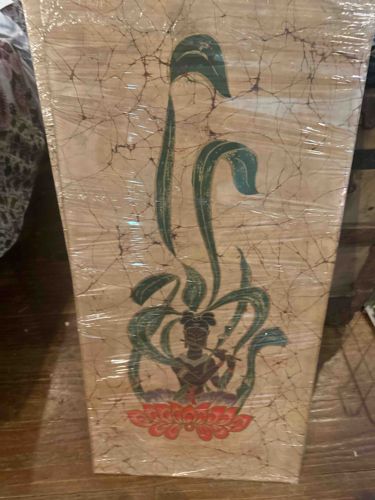
Batik Art Panel with Flute Player Motif

This name is the AI's identification of the item — it may be incorrect.

Submitted photo of Batik Art Panel with Flute Player Motif
Photo submitted by the user — not generated by AI

AI Estimated Value

Not an official valuation

$75-150

AI estimate as of October 16, 2025 · verify with a professional before acting

AI-Generated · Verify before acting

Everything on this page is generated by AI for informational purposes only. AI can make mistakes — the AI may misidentify items or misattribute them (artist, maker, brand, designer, origin, era). This is not an official valuation and should not be used for insurance, sale, tax, estate, legal, or lending purposes — or any decision requiring a certified appraisal. It is not an authoritative claim about any person, brand, or rights holder — do not share or rely on it as a factual statement about a third party. Always consult qualified professionals before making financial decisions.

Read the full disclaimer

AI Item Analysis

This item is an artistic panel, likely a stretched canvas or a rigid board, featuring a batik-style artwork. The overall dimensions appear to be rectangular and relatively tall, suggesting it might be a wall hanging or part of a larger decorative piece. The primary color palette consists of natural, light brown or beige tones for the background, with the design rendered in shades of green, red, and dark brown/black. The background exhibits a distinctive 'cracked' or 'veined' pattern, characteristic of the wax-resist dyeing technique used in batik, giving it an aged or organic texture. The central motif depicts a dark-skinned figure, possibly a deity or a spiritual being such as Krishna, playing a flute. This figure is seated upon a prominent red lotus flower with multiple petals, symbolizing purity and spiritual awakening in many Eastern traditions. Lush, stylized green foliage or perhaps mystical energies surround the central figure, rising from behind the lotus and framing the upper portion of the composition. The artwork is currently covered in clear plastic wrap, indicating it is either new, recently packaged, or being protected during storage or transport. The presence of the plastic makes it difficult to assess the exact material of the panel itself or to detect minor surface imperfections like scuffs or scratches, though no major damage is immediately visible through the wrapping. The craftsmanship appears to be folk art or artisanal, with the batik process suggesting a handmade origin. The style points towards South Asian or Southeast Asian cultural influences. Given the protective wrapping, the item appears to be in good, unused, or well-preserved condition.

AI Appraisal Report

Upon visual examination of the provided image, I have assessed this Batik Art Panel with a Flute Player Motif. The piece presents as a contemporary decorative artwork, likely of Southeast Asian or South Asian origin, executed using the traditional wax-resist dyeing technique known as batik. The central figure, possibly representing Krishna, is depicted seated on a lotus flower, a common spiritual theme. The distinctive 'crackle' effect in the background is characteristic of this craft. Condition appears to be very good to excellent, judging by the protective plastic wrapping which suggests the item is either new or has been well-preserved. No visible damage such as tears, stains, or significant fading can be discerned through the wrapping. The work is unsigned, which is common for artisanal or folk art pieces and generally places them in a lower price bracket than signed fine art. The market for contemporary, unsigned batik art is primarily decorative. While finely crafted, these pieces are relatively common and accessible through import shops and online marketplaces. Demand is steady but does not command high prices without a known artist or significant provenance. The primary value lies in its aesthetic appeal and hand-crafted nature. Comparable unsigned batik panels of similar size and complexity typically sell in the $75 to $150 range in retail and secondary markets. A significant limitation of this appraisal is the inability to physically inspect the item. A full authentication would require removing the plastic to examine the fabric quality, dye saturation, and craftsmanship up close. Without provenance documentation or a signature, verifying the specific artist, workshop, or region of origin is impossible from an image alone. The value assigned is based on the assumption that this is a contemporary, decorative piece rather than an antique or fine art creation.

Keep exploring

More decorative art appraisals

Get your items appraised

Instant AI-powered appraisal estimates from a photo

Browse More Appraisals