AI identification & appraisal estimate

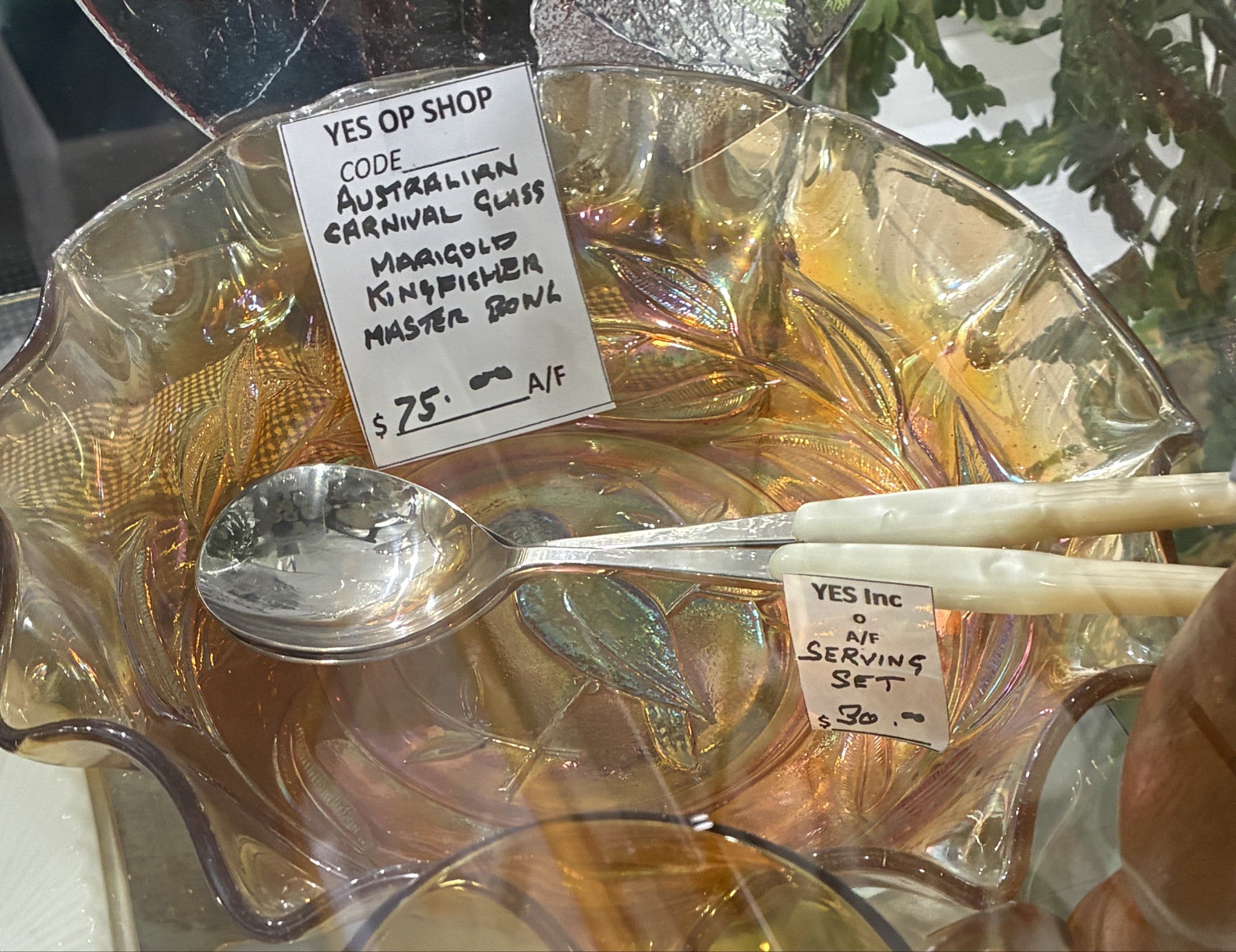
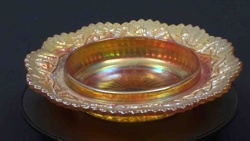
Australian Marigold Carnival Glass Kingfisher Master Bowl

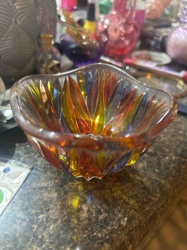
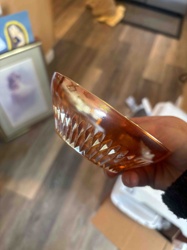
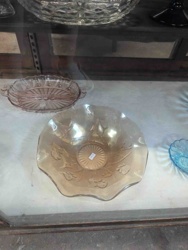
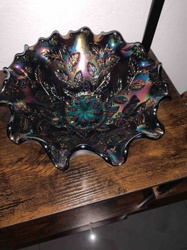
Submitted photo of Australian Marigold Carnival Glass Kingfisher Master Bowl
Photo submitted by the user — not generated by AI

User's notes

Carnival glass Australian Kingsfisher bowl

These notes were written by the person who submitted this item. Appraiser.AI has not verified them, and the AI's identification and estimate may rely on them.

AI Estimated Value

Not an official valuation

$450 - $650

AI estimate as of April 30, 2026 · verify with a professional before acting

AI-Generated · Verify before acting

Everything on this page is generated by AI for informational purposes only. AI can make mistakes — the AI may misidentify items or misattribute them (artist, maker, brand, designer, origin, era). This is not an official valuation and should not be used for insurance, sale, tax, estate, legal, or lending purposes — or any decision requiring a certified appraisal. It is not an authoritative claim about any person, brand, or rights holder — do not share or rely on it as a factual statement about a third party. Always consult qualified professionals before making financial decisions.

This analysis also relies on unverified notes provided by the user, which may be incomplete or inaccurate and could affect the result.

Read the full disclaimer

AI Item Analysis

This is a significant example of Australian Carnival Glass, specifically a 'Master Bowl' featuring the iconic Kingfisher pattern, produced by Crown Crystal Glass Company of Sydney, Australia. The piece is crafted in the 'Marigold' colorway, which displays a warm, honey-amber base glass coated with a brilliant iridescent metallic salt glaze that reflects vibrant shades of gold, pink, and orange. The bowl features a deeply crimped or ruffled shoulder and rim, a hallmark of pressed glass craftsmanship from the early to mid-20th century (circa 1920s-1930s). Centrally embossed in the interior base is a detailed Kingfisher perched on a branch, surrounded by native Australian floral motifs on the interior walls. The glass is thick and heavy, indicating high-quality manufacturing. Regarding condition, the 'A/F' notation on the store tag suggests 'as found,' which typically implies minor chips, cracks, or significant wear; however, from the visual evidence, the iridescence remains strong with some potential minor surface scratches or 'flea bites' on the ruffled edges consistent with age and previous use. The piece does not show visible maker's marks, which is standard for this manufacturer, but the pattern is a well-documented Australian classic. The bowl is shown accompanied by a separate vintage serving spoon set with mother-of-pearl style handles.
AI Appraisal Report

I have carefully examined the provided images of this Australian Marigold Carnival Glass Kingfisher Master Bowl, manufactured by the Crown Crystal Glass Company. The Kingfisher motif is one of the most coveted patterns within the Australian carnival glass market, known for its deep, crisp embossing and cultural significance. The marigold iridescence appears vibrant and well-distributed, exhibiting the characteristic pink and gold highlights expected of high-quality early 20th-century production. While the 'A/F' (as found) notation suggests potential condition issues, my visual inspection reveals a strong 'lustre' with only minor shelf wear and typical factory rough spots on the ruffled rim. The market for Australian carnival glass remains robust among specialist collectors, particularly for 'Master' sized bowls. Recent auction results for comparable pieces in excellent condition range from $400 to over $700 depending on the depth of the orange tint. The inclusion of the serving set is a nice aesthetic addition but does not significantly contribute to the core value of the glass. The primary factor influencing this valuation is the rarity of the Kingfisher pattern relative to more common Australian patterns like 'Kookaburra' or 'Magpie.' Please note that a definitive appraisal is limited by the digital format. For complete authentication, a physical inspection is required to check for internal 'bruises,' hairline cracks not visible in photos, and to verify the glass weight. I would recommend seeking provenance documentation to establish a clear chain of ownership, which can further enhance marketability.

Keep exploring

More antique glassware / carnival glass appraisals

Get your items appraised

Instant AI-powered appraisal estimates from a photo

Browse More Appraisals