AI Appraisal Estimate

AI-generated estimates · not official valuations

From the user

What was submitted

Photo and notes provided by the user — not generated by AI

Submitted item photo
Submitted photo · June 8, 2026

User's notes

No additional notes provided.

AI analysis below

AI appraisal

AI analysis & estimate

AI-Generated · Verify before acting

Everything below is generated by AI for informational purposes only. AI can make mistakes — the AI may misidentify items or misattribute them (artist, maker, brand, designer, origin, era). This is not an official valuation and should not be used for insurance, sale, tax, estate, legal, or lending purposes — or any decision requiring a certified appraisal. It is not an authoritative claim about any person, brand, or rights holder — do not share or rely on it as a factual statement about a third party. Always consult qualified professionals before making financial decisions.

Read the full disclaimer

AI Identification

·Not independently authenticated·Verify before acting

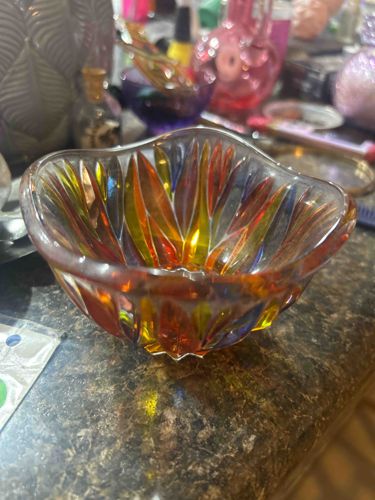
Carnival Glass Petal-Lobe Bowl

Decorative Glassware

AI Estimated Value

·Not an official valuation·Verify before acting

$25-45

As of June 8, 2026

AI Item Analysis

·AI can make mistakes·Verify before acting
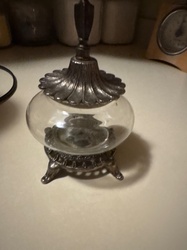
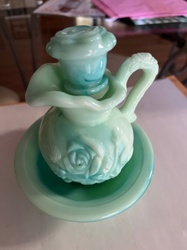
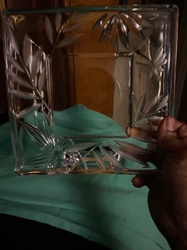
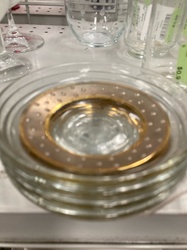
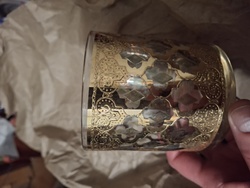
This item is a decorative bowl, likely made of pressed glass, exhibiting characteristics often associated with 'Carnival Glass'. The primary material appears to be clear glass that has undergone an iridescent treatment, giving it a vibrant, multi-colored shimmer. The colors visible within the glass range from fiery reds and oranges to warm yellows, with hints of blue and green, which shift depending on the angle of light and viewing. Physically, the bowl is relatively small, suitable for holding trinkets, candy, or as a purely decorative accent. Its shape is organic, featuring a gently scalloped or petal-lobed rim, which adds to its decorative appeal. The sides of the bowl are adorned with a repeating pattern of vertical, slightly curved ribs or flutes, which extend from the base to just below the rim. These ribs catch and refract light, enhancing the iridescent effect. The base of the bowl shows a distinct octagonal or multi-faceted foot, which provides stability and further contributes to the light play. No specific maker's marks or signatures are discernible from the provided images. The overall style and iridescent finish strongly suggest an early to mid-20th-century production, characteristic of Carnival Glass, which was widely popular from approximately 1908 into the 1920s and saw revivals in later decades. The condition appears to be relatively good with no immediately obvious chips or cracks, though typical wear such as minor scratches on the base or slight dulling of the iridescence might be present upon closer inspection. The craftsmanship indicates a mass-produced item, typical for pressed glass, but with attention to decorative detail providing an attractive light-catching quality.
AI Appraisal Report

·AI can make mistakes·Verify before acting
Upon visual examination of the images provided, this item presents as a classic example of early 20th-century Carnival Glass, specifically a small petal-lobe bowl in a marigold iridescence on clear glass. The design, featuring ribbed sides and a multi-faceted foot, is characteristic of mass-produced decorative glassware from the 1910s-1920s. Visually, the condition appears good, with the iridescent finish showing vibrant color play and no discernible chips or cracks. The value of Carnival Glass is heavily influenced by pattern rarity, maker, color, and condition. While this marigold color is common, the piece's aesthetic appeal and apparent good condition are positive attributes. The pattern is somewhat generic and likely attributable to major producers of the era like Fenton, Northwood, or Dugan, but without a maker's mark, it is considered an unattributed piece. Current market conditions for common Carnival Glass patterns and colors are modest. Comparables for similar small, unmarked marigold bowls typically sell in the $25 to $45 range at auction and in online marketplaces. The primary factor limiting the value is its likely status as a common, unmarked pattern. A significant increase in value would require identification as a rare pattern or color combination. A definitive appraisal and authentication would necessitate an in-person examination to confirm the absence of damage (such as heat checks or utensil marks), verify the iridescence quality, and search for any faint maker's marks not visible in the photographs.

Get your items appraised

Instant estimates of your treasures with AI-powered appraisals

Browse More Appraisals