AI identification & appraisal estimate

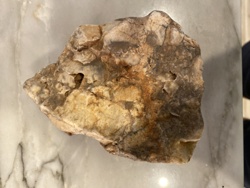
Naturally weathered translucent stone

This name is the AI's identification of the item — it may be incorrect.

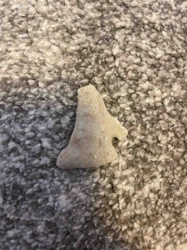
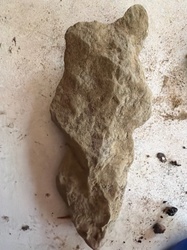
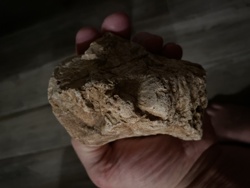
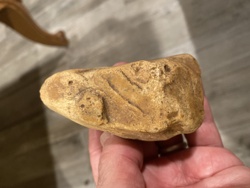
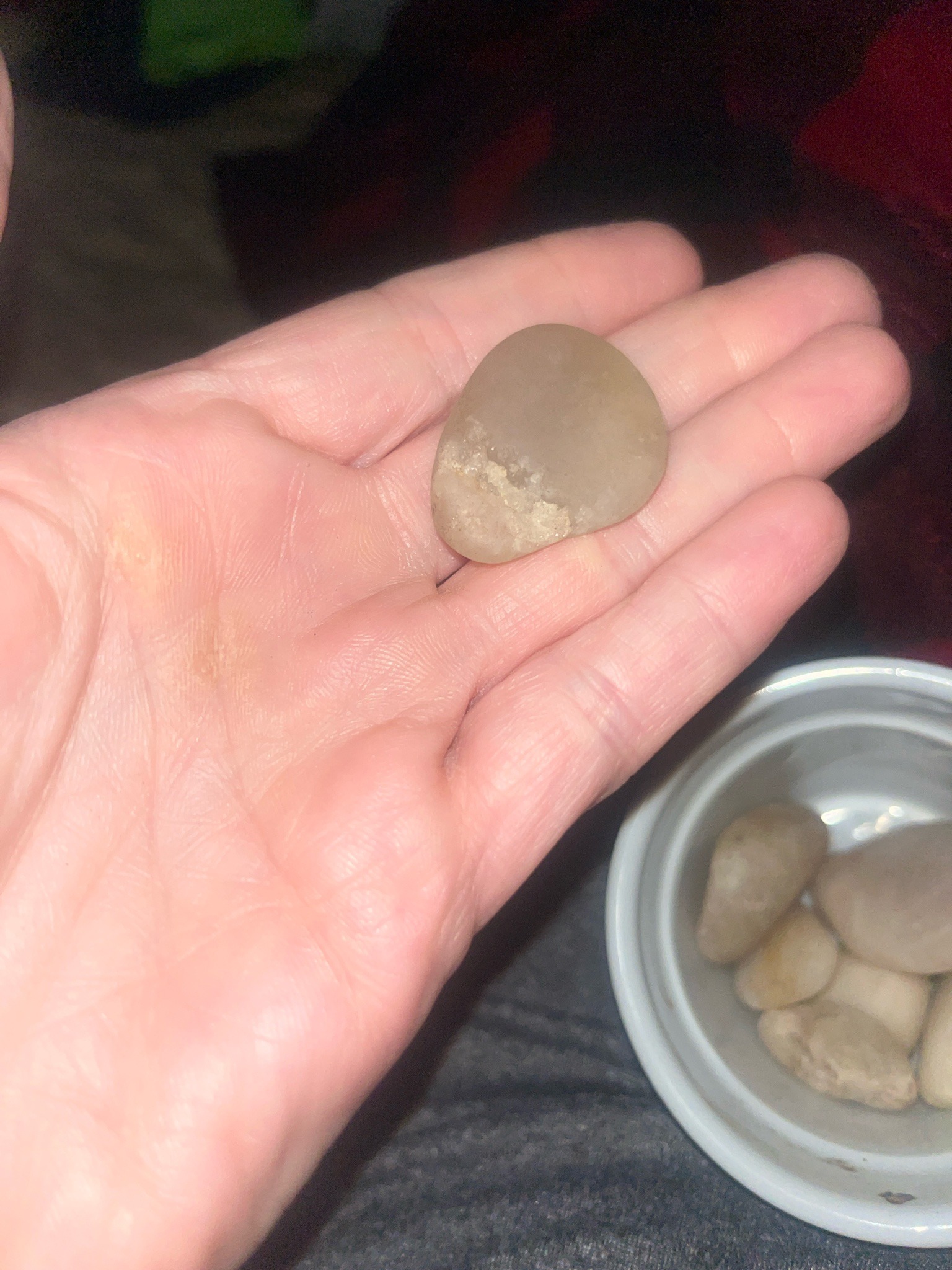
Submitted photo of Naturally weathered translucent stone
Photo submitted by the user — not generated by AI

AI Estimated Value

Not an official valuation

$5 - $15

AI estimate as of June 11, 2026 · verify with a professional before acting

AI-Generated · Verify before acting

Everything on this page is generated by AI for informational purposes only. AI can make mistakes — the AI may misidentify items or misattribute them (artist, maker, brand, designer, origin, era). This is not an official valuation and should not be used for insurance, sale, tax, estate, legal, or lending purposes — or any decision requiring a certified appraisal. It is not an authoritative claim about any person, brand, or rights holder — do not share or rely on it as a factual statement about a third party. Always consult qualified professionals before making financial decisions.

Read the full disclaimer

AI Item Analysis

This item appears to be a small, naturally weathered stone, held in a palm for scale. The specimen is ovate in shape with smooth, rounded edges, consistent with water-worn erosion or mechanical tumbling. It exhibits a translucent to semi-opaque quality with a muted beige or tan coloration. One end of the stone shows a distinct area of rougher, opaque texture and lighter-colored mineral accretion, which may be a site of previous fracture or a stubborn matrix attachment. The surface lacks any visible tool marks, engravings, or manufacturer branding, supporting a natural origin rather than a human-made artifact. Its physical characteristics are visually consistent with common silicate minerals such as quartzite or chalcedony, though without a physical hardness test or refractometer reading, this remains a hypothesis based on visual evidence alone. There are no signs of artificial polishing, as the luster appears matte and waxy. The item displays natural geological variation rather than intentional design. A small bowl containing similar stones is partially visible in the lower right, suggesting this is part of a collection of found objects. Identification is hedged as no maker's marks exist and mineral identity cannot be verified through a photograph.
AI Appraisal Report

Based on my visual examination of the provided image, I have analyzed this naturally weathered specimen, which appears to be a silicate mineral such as quartzite or chalcedony. Based on what I can see, the stone exhibits characteristics of a common 'geofact' or river-worn pebble, including smooth, water-ovated edges and a waxy, matte luster. I cannot verify the specific mineral composition or hardness from a photograph alone; such details would require a physical refractive index test or Mohs scale evaluation. The appraisal value is based on the item as a decorative natural specimen. The market for unworked, common stones of this type remains relatively low, driven primarily by aesthetic appeal in domestic decor rather than rarity. Because the item lacks unique geological features, rare crystallization, or human-made cultural significance, its value is nominal. If this stone was hypothesized to be a rarer material, such as high-grade jadeite or a rare agate, the value could increase significantly; however, the visual evidence suggests a more common variety. To confirm the identity and potential value, an in-person examination by a gemologist or geologist would be necessary. Should the item be identified merely as a common landscaping stone or mechanical tumble, the value would sit at the lower end of the provided range. This estimate assumes the item is a found natural object and does not account for any undocumented provenance or historical significance which is not visible here.

Keep exploring

More natural specimens and geofacts appraisals

Get your items appraised

Instant AI-powered appraisal estimates from a photo

Browse More Appraisals