Unworked Chert Nodule / Geofact
Natural Specimens / Geology

Unworked Chert Nodule / Geofact

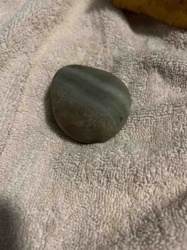
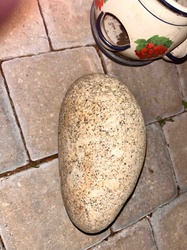
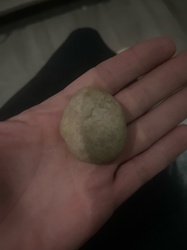
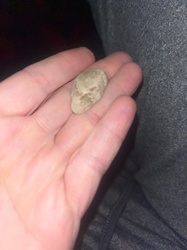
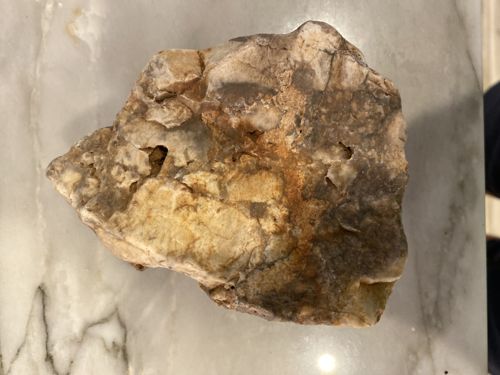
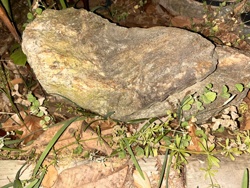
This item is a natural chert or limestone-based nodule, showing a variety of earthy colorations ranging from creamy beige and tan to darker grey and rust-colored iron oxide staining. Physically, the object has a rugged, irregular shape with a coarse, weathered surface texture. While the user identifies this as a 'stone age scraper,' a professional appraisal of the visual evidence suggests it is a 'geofact'—a stone shaped by natural geological processes rather than human modification. There is a lack of intentional 'retouching' or systematic pressure flaking along the edges, which is typically diagnostic of prehistoric tools. The fracturing visible appears haphazard and concave, likely the result of freeze-thaw cycles or impact in a high-energy water environment. The material exhibits naturally occurring vugs or small cavities on the surface. There are no clear striking platforms or bulbs of percussion that would indicate the piece was knapped by a human. The item is in its raw, natural state with significant surface dirt and mineral accumulation, consistent with being found in the soil of the Guthrie, Oklahoma region.
Estimated Value

$5.00 - $15.00

Basic Information

Category

Natural Specimens / Geology

Appraised On

February 18, 2026

Estimated Value

$5.00 - $15.00

Additional Details Provided By Owner

User Provided Information

prospect stone age scraper tool found in Guthrie, OK

Item Description

This item is a natural chert or limestone-based nodule, showing a variety of earthy colorations ranging from creamy beige and tan to darker grey and rust-colored iron oxide staining. Physically, the object has a rugged, irregular shape with a coarse, weathered surface texture. While the user identifies this as a 'stone age scraper,' a professional appraisal of the visual evidence suggests it is a 'geofact'—a stone shaped by natural geological processes rather than human modification. There is a lack of intentional 'retouching' or systematic pressure flaking along the edges, which is typically diagnostic of prehistoric tools. The fracturing visible appears haphazard and concave, likely the result of freeze-thaw cycles or impact in a high-energy water environment. The material exhibits naturally occurring vugs or small cavities on the surface. There are no clear striking platforms or bulbs of percussion that would indicate the piece was knapped by a human. The item is in its raw, natural state with significant surface dirt and mineral accumulation, consistent with being found in the soil of the Guthrie, Oklahoma region.
Related Tags

Get Your Items Appraised

Instant estimates of your treasures with AI-powered instant appraisals

Browse More Appraisals