AI Appraisal Estimate

AI-generated estimates · not official valuations

From the user

What was submitted

Photo and notes provided by the user — not generated by AI

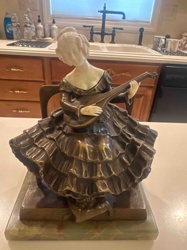
Submitted item photo
Submitted photo · June 27, 2026

User's notes

No additional notes provided.

AI analysis below

AI appraisal

AI analysis & estimate

AI-Generated · Verify before acting

Everything below is generated by AI for informational purposes only. AI can make mistakes — the AI may misidentify items or misattribute them (artist, maker, brand, designer, origin, era). This is not an official valuation and should not be used for insurance, sale, tax, estate, legal, or lending purposes — or any decision requiring a certified appraisal. It is not an authoritative claim about any person, brand, or rights holder — do not share or rely on it as a factual statement about a third party. Always consult qualified professionals before making financial decisions.

Read the full disclaimer

AI Identification

·Not independently authenticated·Verify before acting

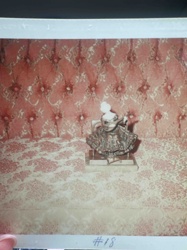
Art Nouveau Polychrome Spelter Bust of 'Clytie' or 'Diane' by Georges Charles Coudray

Fine Art / Antique Sculpture

AI Estimated Value

·Not an official valuation·Verify before acting

$450 - $700

As of June 27, 2026

AI Item Analysis

·AI can make mistakes·Verify before acting
An antique Art Nouveau period bust of a young woman, likely cast in spelter (white metal/zinc alloy) with a multi-toned polychrome or cold-painted bronze finish. The sculpture features the subject looking slightly to her right, with her hair styled in an intricate updo typical of the late 19th-century French 'Belle Époque' style, held by a headband with a central circular medallion. She is draped in a classical-style gown with an etched geometric border along the neckline. The base of the sculpture prominently features the name 'CIRE?' or a similar title in stylized Art Nouveau lettering. The craftsmanship displays fine attention to facial features and the soft drape of fabric. Physically, the item shows a rich aged patina with visible wear to the surface finish, particularly on the face and chest where the underlying metal or lighter paint layers are exposed. Small spots of oxidation and surface dust are present throughout the recessed areas of the hair and drapery. The piece likely dates to between 1890 and 1910, reflecting the romanticized feminine aesthetic of Parisian sculptors like Georges Charles Coudray, who often produced similar decorative busts for the bourgeois market. The overall condition is consistent with age, showing character-enhancing wear but no immediate structural fractures visible.
AI Appraisal Report

·AI can make mistakes·Verify before acting
I have conducted a visual analysis of this Art Nouveau polychrome bust, traditionally attributed to Georges Charles Coudray. The piece exhibits the classic 'Belle Époque' aesthetic, characterized by romanticized feminine features and refined drapery. Based on the surface characteristics, the item appears to be cast in spelter (zinc alloy) rather than bronze, consistent with mass-market decorative arts produced in France circa 1890–1910. The polychrome finish shows significant honest wear, particularly on the ridges of the face and décolletage, which is expected for the age and material. While the patina is genuine, the loss of pigment on the nose and forehead slightly diminishes its aesthetic value. In the current market, decorative spelter busts by French Belle Époque sculptors remain steady, though they lack the high premium of bronze originals or pieces with pristine original gilding. Similar works by Coudray frequently realize prices between $400 and $800 at boutique auction houses. Significant factors impacting value include the integrity of the cold-painted layers and the typical fragility of spelter compared to bronze. Limitations: This appraisal is based solely on digital imagery. A definitive identification of the metal requires a weight-to-mass comparison or a physical 'scratch test' in an inconspicuous area. To confirm authenticity and rule out mid-20th-century reproductions, an in-person inspection of the interior casting marks, the specific weight of the alloy, and provenance documentation (such as a gallery receipt or estate catalog) would be required. Scientific testing of the paint pigments could further verify the period of production.

Get your items appraised

Instant estimates of your treasures with AI-powered appraisals

Browse More Appraisals