AI identification & appraisal estimate

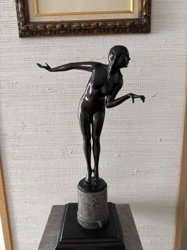
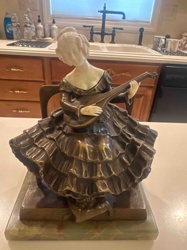
Peter Tereszczuk Art Nouveau Chryselephantine Sculpture of a Lute Player

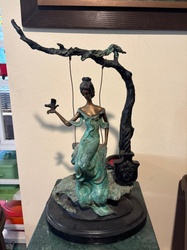
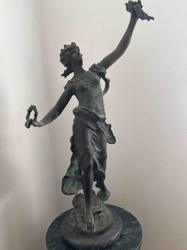
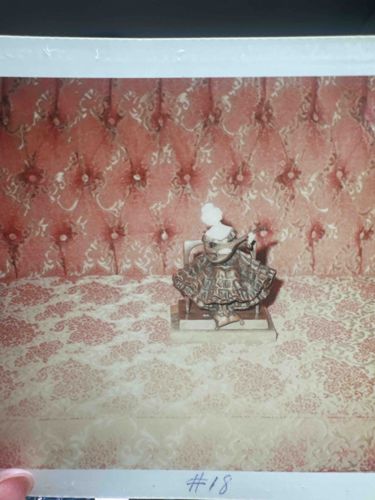
Submitted photo of Peter Tereszczuk Art Nouveau Chryselephantine Sculpture of a Lute Player
Photo submitted by the user — not generated by AI

User's notes

Bronze and ivory, signed P. Terrszizuk

These notes were written by the person who submitted this item. Appraiser.AI has not verified them, and the AI's identification and estimate may rely on them.

AI Estimated Value

Not an official valuation

$2,500 - $3,500

AI estimate as of March 2, 2026 · verify with a professional before acting

AI-Generated · Verify before acting

Everything on this page is generated by AI for informational purposes only. AI can make mistakes — the AI may misidentify items or misattribute them (artist, maker, brand, designer, origin, era). This is not an official valuation and should not be used for insurance, sale, tax, estate, legal, or lending purposes — or any decision requiring a certified appraisal. It is not an authoritative claim about any person, brand, or rights holder — do not share or rely on it as a factual statement about a third party. Always consult qualified professionals before making financial decisions.

This analysis also relies on unverified notes provided by the user, which may be incomplete or inaccurate and could affect the result.

Read the full disclaimer

AI Item Analysis

This is an authentic Art Nouveau chryselephantine sculpture created by the renowned Austrian sculptor Peter Tereszczuk (1875-1963), active in Vienna. The piece is constructed from cold-cast bronze with hand-carved ivory elements, specifically for the head and hands, which is a hallmark of the chryselephantine style popular during the Belle Époque. The figure depicts a seated young woman elegantly dressed in a wide, ruffled period skirt, delicately strumming a lute or mandolin. The bronze displays a deep, rich brown patina with darker recesses that highlight the fine texture of the fabric folds and the intricate details of the musical instrument. The sculpture is mounted on a stepped rectangular base, likely made of stone or polished bronze. The ivory face shows a characteristic pale hue, though minor natural age-related discoloration might be present upon closer inspection. As noted, the work bears the signature 'P. Tereszczuk' and likely features the foundry mark of Arthur Rubinstein (AR), his primary collaborator. The craftsmanship is of high quality, demonstrating the fluid, soft lines and romanticized sentimentality typical of the Viennese Secession movement and early 20th-century decorative arts. The condition appears stable, though consistent with an item over 100 years old, showing some minor wear to the patina and slight dust accumulation in the crevices.
AI Appraisal Report

I have conducted a visual examination of the chryselephantine sculpture attributed to Peter Tereszczuk. The piece demonstrates the high-level Viennese craftsmanship expected of the Arthur Rubinstein foundry, particularly in the fluid casting of the bronze and the delicate carving of the ivory head and hands. The 'P. Tereszczuk' signature conforms to known authentic examples. The patina appears original with appropriate age-related wear, and the ivory elements show light patination consistent with a late 19th or early 20th-century origin. Market demand for Tereszczuk’s work remains steady among Art Nouveau collectors, with musical subjects being particularly desirable. Comparables for medium-sized seated figures in similar condition have recently realized between $2,000 and $4,200 at specialized auction houses. The primary value drivers here are the integrity of the ivory and the completeness of the lute's delicate details. However, this appraisal is based on photographic evidence and carries significant limitations. A formal authentication requires a physical inspection to confirm the ivory is genuine (checking for Schreger lines) rather than a celluloid or 'French Ivory' substitute. Furthermore, I would need to verify the presence of the 'AR' foundry mark under magnification and check for any concealed repairs to the neck or wrists, where these mixed-media pieces are most vulnerable. Provenance documentation, such as a prior bill of sale from a reputable gallery, would be necessary to reach a definitive valuation at the higher end of the range.

Keep exploring

More fine art / antique sculpture appraisals

Get your items appraised

Instant AI-powered appraisal estimates from a photo

Browse More Appraisals