AI Appraisal Estimate

AI-generated estimates · not official valuations

From the user

What was submitted

Photo and notes provided by the user — not generated by AI

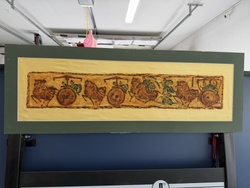
Submitted item photo
Submitted photo · June 20, 2026

User's notes

Antique silk painting

AI analysis below

AI appraisal

AI analysis & estimate

AI-Generated · Verify before acting

Everything below is generated by AI for informational purposes only. AI can make mistakes — the AI may misidentify items or misattribute them (artist, maker, brand, designer, origin, era). This is not an official valuation and should not be used for insurance, sale, tax, estate, legal, or lending purposes — or any decision requiring a certified appraisal. It is not an authoritative claim about any person, brand, or rights holder — do not share or rely on it as a factual statement about a third party. Always consult qualified professionals before making financial decisions.

Note

This analysis also relies on unverified notes provided by the user, which may be incomplete or inaccurate and could affect the result.

Read the full disclaimer

AI Identification

·Not independently authenticated·Verify before acting

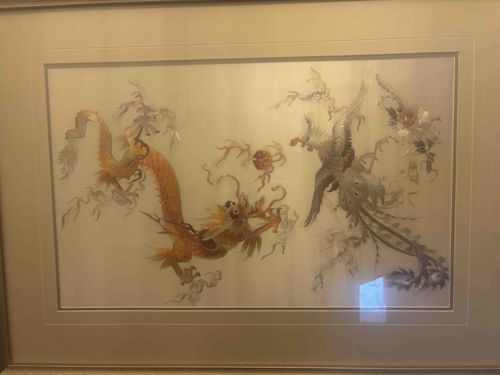
Chinese Dragon and Phoenix Silk Embroidery

Antique Asian Textiles & Art

AI Estimated Value

·Not an official valuation·Verify before acting

$1,200 - $1,800

As of June 20, 2026

AI Item Analysis

·AI can make mistakes·Verify before acting
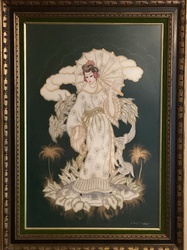
This is an antique Chinese textile panel featuring a 'Dragon and Phoenix' motif, likely dating from the late Qing Dynasty to the early 20th century. The piece is rendered on a fine white or cream silk substrate. The composition depicts a classic imperial pairing: a sinuous five-clawed dragon in vibrant golden-orange tones and a fabled Fenghuang (phoenix) in shades of silver and muted grey. Between them sits the 'Flaming Pearl,' a symbol of wisdom and spiritual energy. Small floral sprigs and stylized 'ruyi' clouds surround the central figures, adding depth to the visual narrative. The craftsmanship utilizes intricate satin stitches and potentially couched metallic threads to create a shimmering, high-relief effect. The dragon’s scales and the phoenix’s plumage are particularly well-defined, indicating a high level of needlework skill. The piece appears to be professionally mounted behind glass with a multi-layered neutral matting and a simple contemporary frame. Regarding condition, there appears to be slight overall yellowing of the silk background consistent with age, and minor tonal fading in the pigments. No significant frayed edges or water damage are visible in the present view, suggesting the textile has been well-preserved away from direct UV light. The quality of the stitchery and the balance of the composition suggest this may have originally been part of a larger ceremonial robe or a decorative domestic screen.
AI Appraisal Report

·AI can make mistakes·Verify before acting
I have conducted a visual examination of the Chinese silk embroidery panel featuring the Dragon and Phoenix motif. The quality of the satin stitching and the presence of five-clawed dragons suggest a late Qing Dynasty origin (c. 1880–1910). The composition is well-balanced, and the use of couched metallic threads is consistent with high-status decorative textiles or fragments repurposed from imperial-style surcoats (longpao). The condition appears remarkably good; while there is expected tonal yellowing and minor oxidation of metallic threads, the lack of significant shattering or fraying suggests a stable environment. In the current market, Chinese export and imperial-style textiles remain in high demand, particularly those featuring the 'Pearl of Wisdom' allegory. Similar panels of this size and detail have realized between $1,000 and $2,000 at specialized Asian art auctions. However, the value is slightly tempered by the contemporary framing, which may obscure the original edges of the fabric. Limitations: This appraisal is based strictly on high-resolution imagery. Without a physical inspection, I cannot confirm the presence of synthetic dyes which would indicate a later 20th-century production, nor can I examine the reverse side for structural integrity. A full authentication requires an in-person assessment to verify thread composition (silk vs. rayon), carbon dating of the substrate if necessary, and a review of provenance documentation to trace its history and ensure compliance with cultural heritage regulations.

Get your items appraised

Instant estimates of your treasures with AI-powered appraisals

Browse More Appraisals