AI identification & appraisal estimate

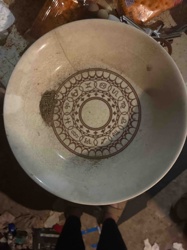
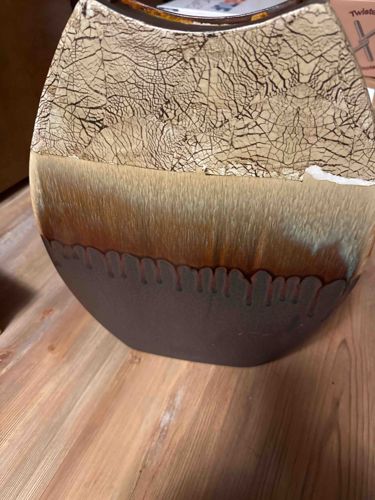
Glazed Ceramic Decorative Vase with Craquelure Finish

Submitted photo of Glazed Ceramic Decorative Vase with Craquelure Finish
Photo submitted by the user — not generated by AI

AI Estimated Value

Not an official valuation

$75-125

AI estimate as of November 24, 2025 · verify with a professional before acting

AI-Generated · Verify before acting

Everything on this page is generated by AI for informational purposes only. AI can make mistakes — the AI may misidentify items or misattribute them (artist, maker, brand, designer, origin, era). This is not an official valuation and should not be used for insurance, sale, tax, estate, legal, or lending purposes — or any decision requiring a certified appraisal. It is not an authoritative claim about any person, brand, or rights holder — do not share or rely on it as a factual statement about a third party. Always consult qualified professionals before making financial decisions.

Read the full disclaimer

AI Item Analysis

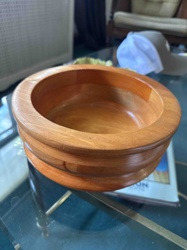
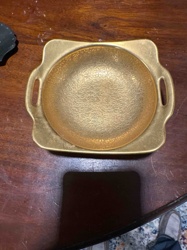
This is a decorative ceramic vase, likely intended for indoor display. The vase features a distinctive multi-glaze finish, divided into three horizontal bands. The top section exhibits a prominent craquelure (crackled) glaze in an off-white or very light beige color, with the underlying darker ceramic body showing through the fine network of cracks, creating a striking visual texture. This crackling is uniform and appears to be an intentional artistic effect rather than damage. Below this, there's a smooth, mid-tone brown or tan glaze band that transitions seamlessly into the bottom section. The lowest part of the vase is finished in a darker, rich brown glaze, which appears to have a slightly matte or satin finish. A notable feature is the 'drip' effect where the mid-tone brown glaze bleeds downward into the darker brown section, creating a series of irregular, elongated, and somewhat pointy streaks, suggesting a reactive or artistic hand-applied glazing technique. The overall form of the vase is substantial, with a rounded, possibly ovoid or amphora-like body that tapers towards its opening, which is not fully visible but appears to be relatively narrow and perhaps slightly flared. The craftsmanship indicates a molded or wheel-thrown ceramic base, meticulously glazed to achieve the desired aesthetic. No visible manufacturing marks or signatures are apparent from the provided image. The visible condition suggests it is in good shape, with no obvious chips, cracks (beyond the intentional craquelure), or repairs. The style appears contemporary, possibly dating from the late 20th century to the present day, aiming for a rustic yet modern decorative appeal. The combination of textures and earthy tones gives it a unique and sophisticated presence.
AI Appraisal Report

I have examined the provided image of this Glazed Ceramic Decorative Vase with Craquelure Finish. Visually, the condition appears excellent, with the craquelure finish being an intentional design element rather than damage. The multi-glaze application, particularly the 'drip' effect, suggests a handcrafted or artisanal approach. Authenticity, in terms of it being a decorative ceramic vase as described, seems straightforward from the image. However, without physical examination, I cannot confirm the exact ceramic body, weight, or internal condition. Market conditions for contemporary decorative ceramic vases like this are generally moderate. This piece possesses appealing aesthetic qualities, with its earthy tones and varied textures making it versatile for modern or rustic interiors. Comparables would include mass-produced yet artisan-inspired decorative ceramics from home décor retailers, as well as works by lesser-known independent ceramicists. Demand is primarily from interior decorators and individuals seeking accent pieces for their homes. Factors impacting value include its decorative appeal, good apparent condition, and the distinct craquelure and drip glaze effects. It is not rare; similar decorative vases with intentional textural glazes are relatively common. Its value is largely based on its decorative merit rather than intrinsic artistic significance or historical provenance. Limitations: A full authentication would require in-person examination to assess the quality of the ceramic body, detect any subtle repairs, determine manufacturing techniques (e.g., molded vs. wheel-thrown), and search for obscured maker's marks or signatures. Provenance documentation, if available, would provide historical context and a more robust basis for authentication. Without these, I must state that this appraisal is based solely on the visual information provided and assumes the item is as described and free from hidden defects.

Keep exploring

More decorative art/homeware appraisals

Get your items appraised

Instant AI-powered appraisal estimates from a photo

Browse More Appraisals