AI estimate as of October 7, 2025 · verify with a professional before acting
AI-Generated · Verify before acting
Everything on this page is generated by AI for informational purposes only. AI can make mistakes — the AI may misidentify items or misattribute them (artist, maker, brand, designer, origin, era). This is not an official valuation and should not be used for insurance, sale, tax, estate, legal, or lending purposes — or any decision requiring a certified appraisal. It is not an authoritative claim about any person, brand, or rights holder — do not share or rely on it as a factual statement about a third party. Always consult qualified professionals before making financial decisions.
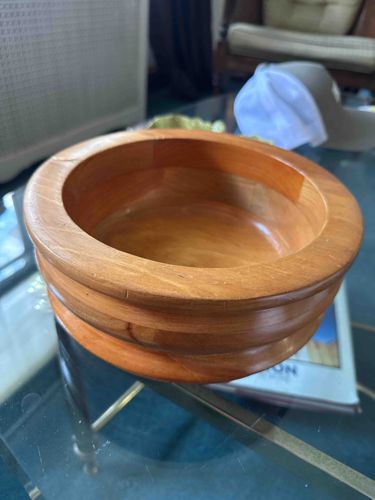
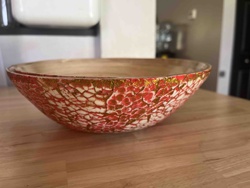
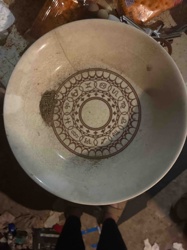
This is a turned wooden bowl, likely crafted from a light-colored hardwood such as cherry, maple, or a similar species, judging by its warm, reddish-brown hue and visible grain patterns. The bowl features a classic circular form with a smooth, polished interior and exterior. Its construction appears to be from a single piece of wood, expertly turned to create a seamless finish. The exterior base of the bowl shows a distinct design element: a grooved band or series of concentric rings, which adds a decorative touch and potentially enhances grip. The wood exhibits a fine grain, suggesting a high-quality selection of material. The finish appears to be a clear lacquer or oil, highlighting the natural beauty of the wood and providing a subtle sheen. There are no obvious significant condition issues such as cracks, chips, or major scratches visible from the provided image; however, some minor surface wear consistent with age and use, such as light scuffs or imperfections in the finish, might be present upon closer inspection. The craftsmanship indicates a skill in woodturning, with smooth transitions and an even form. Without specific maker's marks or signatures, its exact age and origin are difficult to determine, but it appears to be a mid-20th century to contemporary piece. It's a functional yet aesthetically pleasing item, versatile for various household uses or as a decorative display piece.
AI Appraisal Report
I have examined the provided image of this Turned Wooden Bowl. The item appears to be crafted from a light-colored hardwood, possibly cherry or maple, exhibiting attractive grain patterns and a warm, reddish-brown hue. Its form is classic and well-executed, suggesting skillful woodturning. The smooth interior and exterior, coupled with the distinct grooved band on the base, indicate good craftsmanship. The finish appears to be clear, enhancing the wood's natural beauty, and there are no immediately obvious significant condition issues like cracks or chips visible from the image. I assume the authenticity of the material as wood based on visual cues; however, definitive identification of the specific wood species and ruling out any composite materials would require in-person examination or scientific testing.
Market conditions for finely turned wooden bowls are generally stable, with demand driven by both functional use and decorative appeal. Comparable items, particularly those without maker's marks or significant age, typically fall into a moderate price range. This bowl's lack of distinctive provenance or a known artisan limits its rarity and, consequently, its top-tier market value. While it is clearly a well-made piece, the absence of a signature or clear origin prevents it from commanding prices associated with renowned woodturners or antique status. Factors impacting value positively include its good condition, appealing aesthetics, and evident craftsmanship. The key limiting factor is the absence of a verifiable maker or a specific historical context.
Without physical inspection, it is impossible to assess minor surface wear, the integrity of the finish (e.g., if it's original or refinished), or the precise weight and feel of the piece, all of which can subtly influence value. In-person examination would also allow for a more confident assessment of the wood species and confirm the absence of any hidden flaws. Provenance documentation, if available, identifying the maker or its history, would significantly enhance its authenticity and value. Based on my visual examination, I estimate its current fair market value to be in the range of $75 to $125.