AI Appraisal Estimate

AI-generated estimates · not official valuations

From the user

What was submitted

Photo and notes provided by the user — not generated by AI

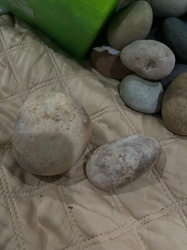
Submitted item photo
Submitted photo · June 12, 2026

User's notes

No additional notes provided.

AI analysis below

AI appraisal

AI analysis & estimate

AI-Generated · Verify before acting

Everything below is generated by AI for informational purposes only. AI can make mistakes — the AI may misidentify items or misattribute them (artist, maker, brand, designer, origin, era). This is not an official valuation and should not be used for insurance, sale, tax, estate, legal, or lending purposes — or any decision requiring a certified appraisal. It is not an authoritative claim about any person, brand, or rights holder — do not share or rely on it as a factual statement about a third party. Always consult qualified professionals before making financial decisions.

Read the full disclaimer

AI Identification

·Not independently authenticated·Verify before acting

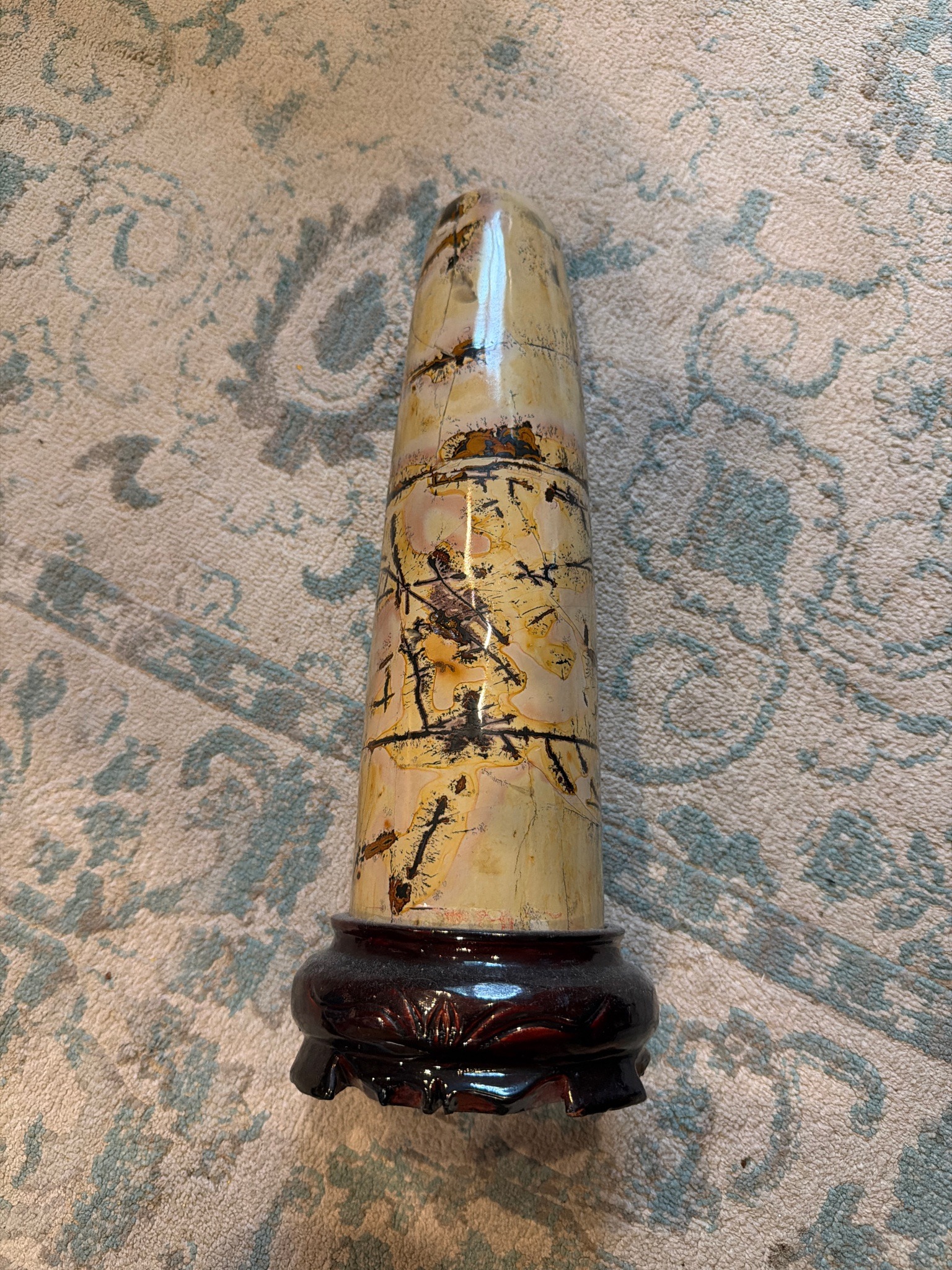
Polished Picture Jasper Obelisk on Carved Wooden Stand

Lapidary Decorative Arts / Mineral Specimen

AI Estimated Value

·Not an official valuation·Verify before acting

$450 - $650

As of June 12, 2026

AI Item Analysis

·AI can make mistakes·Verify before acting
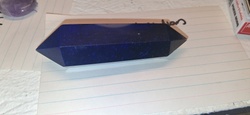
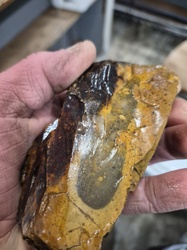
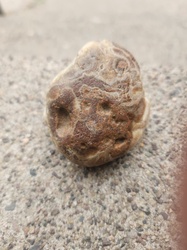
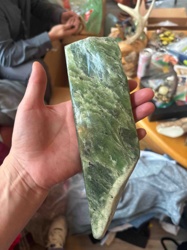
This item is a tall, tapered obelisk crafted from polished Picture Jasper, a variety of opaque chalcedony. The stone displays a complex, natural landscape-like pattern, characteristic of this mineral, featuring hues of cream, tan, ochre, and dark brown. The dendritic and banded inclusions create a scenery-like appearance with horizontal dark lines that resemble horizons or geological strata. The piece is shaped into a rounded, cone-like obelisk stature and has been polished to a high-gloss, reflective finish. It stands approximately 8 to 10 inches tall and is mounted on a traditional, dark-finished wooden base. The base features ornate hand-carvings with wave or floral motifs and multiple small feet, characteristic of mid-20th-century decorative stone mounts. Regarding condition, the stone surfaces appear smooth with no significant chips or deep scratches visible, though natural vugs or internal fractures typical of Jasper may be present. The high-gloss polish reflects ambient light evenly, indicating high-quality lapidary work. The wooden stand shows a glossy finish with deep reddish-brown tones, possibly mahogany or rosewood-stained softwood, and appears physically stable. There are no clear maker's marks or signatures, which is common for such lapidary art. This item likely dates from the late 20th century, representing a high-quality collector's specimen valued for both its geological uniqueness and aesthetic display quality.
AI Appraisal Report

·AI can make mistakes·Verify before acting
I have carefully examined the provided images of this Polished Picture Jasper Obelisk. The specimen is a high-quality example of dendritic chalcedony, specifically sourced from well-known localities like Oregon or Idaho. The ‘landscape’ patterns are vivid, showcasing excellent stratification and color contrast. The lapidary work is superior, evidenced by the crisp taper and the high-degree mirror polish which appears free of significant surface-reaching fractures or 'undercutting' often seen in softer jaspers. The carved wooden stand is a classic mid-to-late 20th-century Asian-style export mount, likely of rosewood or stained boxwood, providing significant decorative appeal. Market demand for large-scale Jasper specimens remains steady among both mineral collectors and interior designers. Comparable auction sales for obelisks of this 8-10 inch scale typically range from $300 to $800 depending on the complexity of the 'scene' within the stone and the condition of the base. This piece sits toward the upper-middle of that range due to the exceptional horizontal banding which mimics a desert horizon. However, there are inherent limitations to appraisals conducted via imagery. Without a physical inspection under 10x magnification, I cannot confirm if any surface-level fissures have been stabilized with resin or 'opticonned' to enhance clarity. Furthermore, the authenticity of the wood genus cannot be verified without examining the end-grain. A full authentication would require hands-on density testing to ensure the stone is natural and not a reconstituted composite, though the patterns here strongly suggest authentic geologic formation. For insurance purposes, provenance or a bill of sale would further solidify its historical context.

Get your items appraised

Instant estimates of your treasures with AI-powered appraisals

Browse More Appraisals