AI Appraisal Estimate

AI-generated estimates · not official valuations

From the user

What was submitted

Photo and notes provided by the user — not generated by AI

Submitted item photo
Submitted photo · July 3, 2026

User's notes

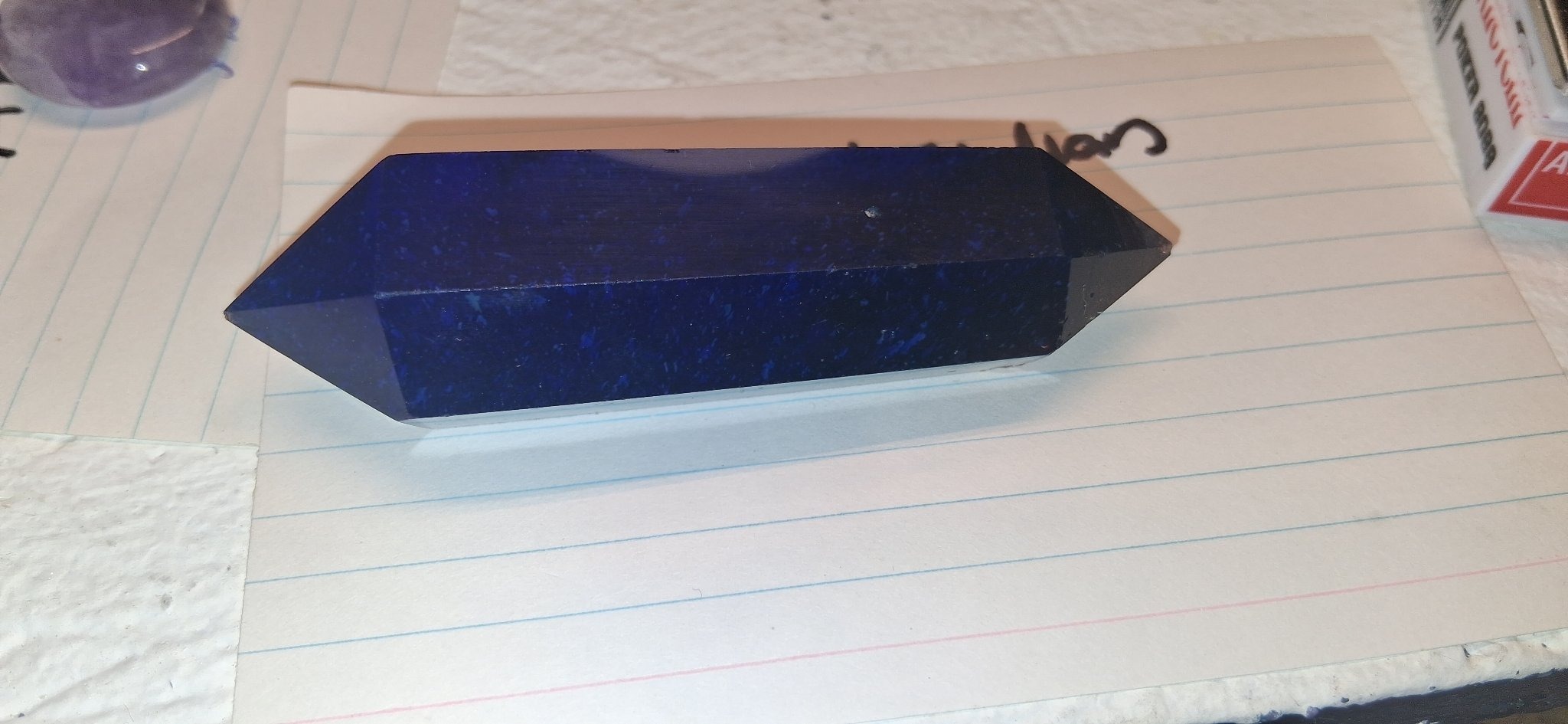
Material: blue obsidian Weight: 58.44 grams Dimensions: 3 1/2in

AI analysis below

AI appraisal

AI analysis & estimate

AI-Generated · Verify before acting

Everything below is generated by AI for informational purposes only. AI can make mistakes — the AI may misidentify items or misattribute them (artist, maker, brand, designer, origin, era). This is not an official valuation and should not be used for insurance, sale, tax, estate, legal, or lending purposes — or any decision requiring a certified appraisal. It is not an authoritative claim about any person, brand, or rights holder — do not share or rely on it as a factual statement about a third party. Always consult qualified professionals before making financial decisions.

Note

This analysis also relies on unverified notes provided by the user, which may be incomplete or inaccurate and could affect the result.

Read the full disclaimer

AI Identification

·Not independently authenticated·Verify before acting

Polished double-terminated cobalt-colored lapidary point

Lapidary and Decorative Stones

AI Estimated Value

·Not an official valuation·Verify before acting

$10 - $25

As of July 3, 2026

AI Item Analysis

·AI can make mistakes·Verify before acting
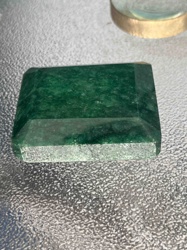
This item is a 3.5-inch (as noted by owner) double-terminated hexagonal point, fashioned from a translucent to semi-opaque material with a deep cobalt or royal blue appearance. The user identifies the material as 'blue obsidian' and notes a weight of 58.44 grams, though these claims remain unverified without physical testing for refractive index and specific gravity. Stylistically, the deep, uniform ink-blue color and internal texture are consistent with man-made cobalt-colored glass, which is frequently marketed in the lapidary trade as 'blue obsidian.' True natural blue obsidian is a rare volcanic glass that typically presents as translucent with subtle banding; this specimen appears more saturated and uniform, which is often a signal of modern manufacturing. The point features six facets along the length of the body, tapering to sharp points at both ends. The surface displays a polished finish, though fine surface scratches and minor edge abrasions are visible upon close inspection, particularly near the faceted shoulders. There are no visible maker's marks, signatures, or branding, which is typical for mass-produced decorative stones or lapidary supplies often used in holistic or ornamental contexts.
AI Appraisal Report

·AI can make mistakes·Verify before acting
Based on the provided image and description, I am examining a 3.5-inch double-terminated hexagonal point. The owner identifies the material as 'blue obsidian' with a weight of 58.44 grams. From my visual analysis, I can see a material with a high degree of transparency and a saturated cobalt hue; however, I cannot verify the chemical composition or origin from a photograph. The uniform clarity and color are consistent with a hypothesis of cobalt-colored man-made glass, which is frequently marketed under the trade name 'blue obsidian' in the decorative stone market. The value estimate is based on the item being a contemporary lapidary product. If this were scientifically confirmed as a rare natural volcanic glass, the value could increase, though natural blue obsidian typically presents with different visual characteristics than seen here. As a mass-produced decorative item, the value is driven by its aesthetic appeal in the holistic or interior design markets. Based on what I can see, the minor edge abrasions and surface scratches slightly detract from its retail potential. General market behavior for items of this type usually places them in a modest price bracket due to high availability. To confirm the material's nature, a physical inspection by a gemologist using a refractometer and specific gravity testing would be required. Without such testing, the attribution to 'obsidian' remains a working assumption. If this item were found to be a unique historical artifact or a rare natural mineral rather than manufactured glass, the valuation would need to be reassessed. Currently, it is valued as an ornamental lapidary specimen in the style of common trade-show offerings.

Get your items appraised

Instant estimates of your treasures with AI-powered appraisals

Browse More Appraisals